'Pharmaceuticals affected, but medicine prices won't rise without govt permission:' Jatish Sheth
Apr 03, 2026
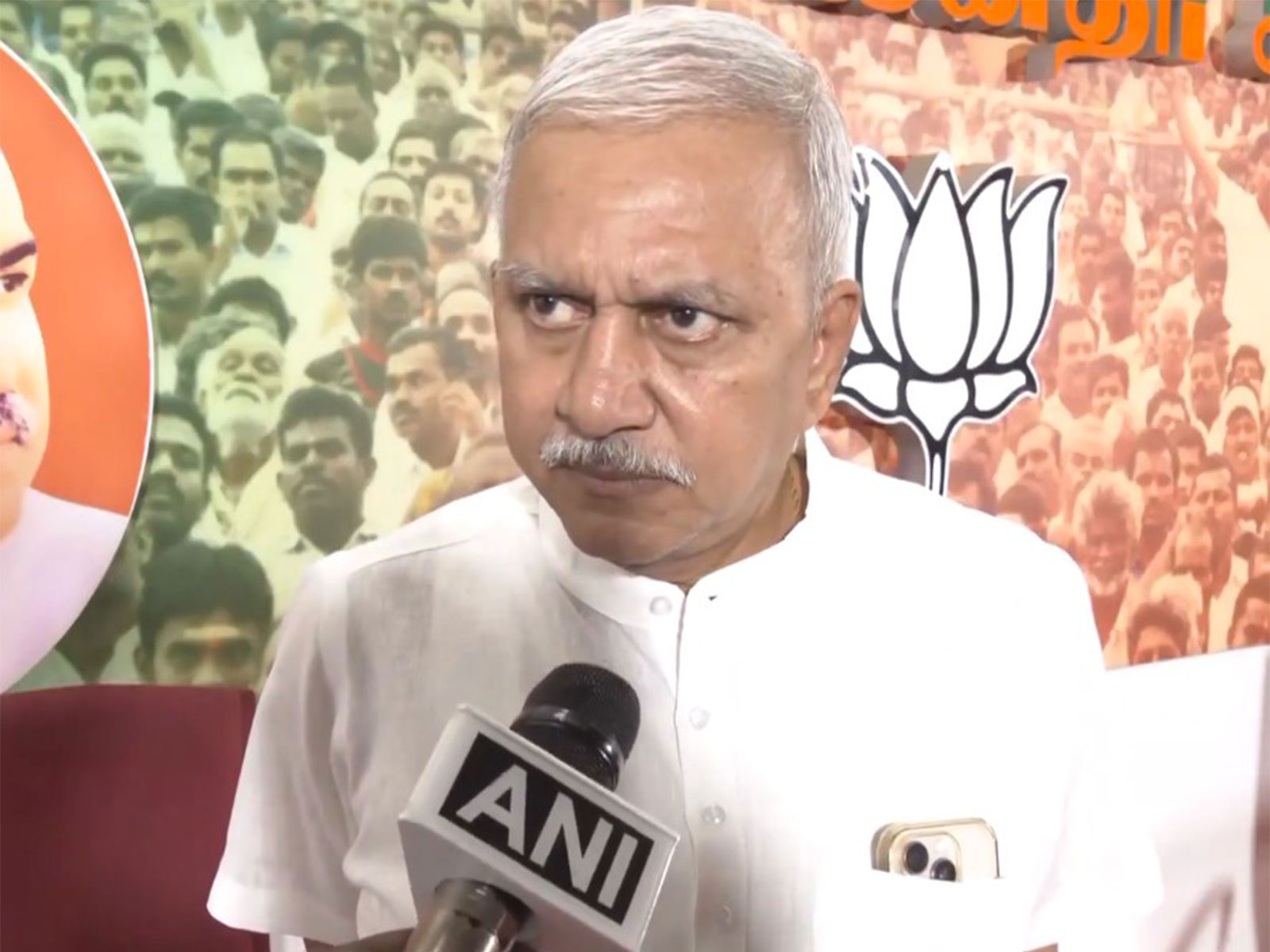
Bengaluru (Karnataka) [India], April 4 : The ongoing conflict in West Asia is sending ripples through the pharmaceutical industry, with raw material costs on the rise, says Jatish Sheth, Director of Srushti Pharmaceuticals.
While speaking to ANI, Sheth highlighted that pharmaceuticals are vulnerable to disruptions in petrochemical supply chains, as many raw materials used in formulation are petrol-based.
"Pharmaceuticals are affected. Raw materials which are used for manufacturing formulation, they use petrol-based products... If the petrochemical supply is affected, the synthesis raw material will be affected, and in turn, medicines will be affected." Sheth explained. While the impact hasn't been severe so far, prolonged conflict could lead to shortages and increased costs.
"So far, it is not affecting badly, but if it goes on for long, it will get affected... Rates of input materials have gone up," Sheth noted, adding that the company is exercising caution on pricing.
"We do not increase the price of the medicines without the permission of the government. As far as pharmaceutical medicines are concerned, there won't be an increase in the price till the government gives the indication," he added.
Meanwhile, the Government on Wednesday announced a full customs duty exemption on select critical petrochemical products, in a move to cushion domestic industries from global supply disruptions due to the ongoing conflict in West Asia.
According to an official statement, the exemption will remain in force till June 30, 2026, and aims to ensure the uninterrupted availability of essential petrochemical inputs for domestic manufacturing sectors.
The decision comes amid heightened geopolitical tensions in West Asia, which have led to disruptions in global supply chains and increased cost pressures on industries reliant on petrochemical feedstock and intermediates.
The government said the measure is intended as a temporary relief to stabilise supplies, ease input costs, and support downstream industries that depend heavily on such raw materials.
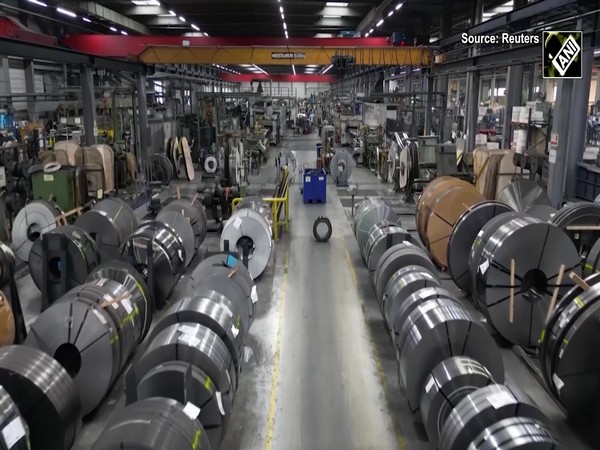
A wide range of sectors is expected to benefit from the exemption, including plastics, packaging, textiles, pharmaceuticals, chemicals, automotive components, and other manufacturing segments. The move is also likely to provide indirect relief to consumers by moderating the prices of final products.
The list of exempted items includes key petrochemical inputs such as anhydrous ammonia, methanol, toluene, styrene, vinyl chloride monomer, monoethylene glycol (MEG), phenol, acetic acid, and purified terephthalic acid (PTA), among others.