Plea moved in Delhi HC seeking immediate release of rare disease funds for 3-year-old girl's life-saving bone marrow transplant
Jun 02, 2026
By Sushil Batra
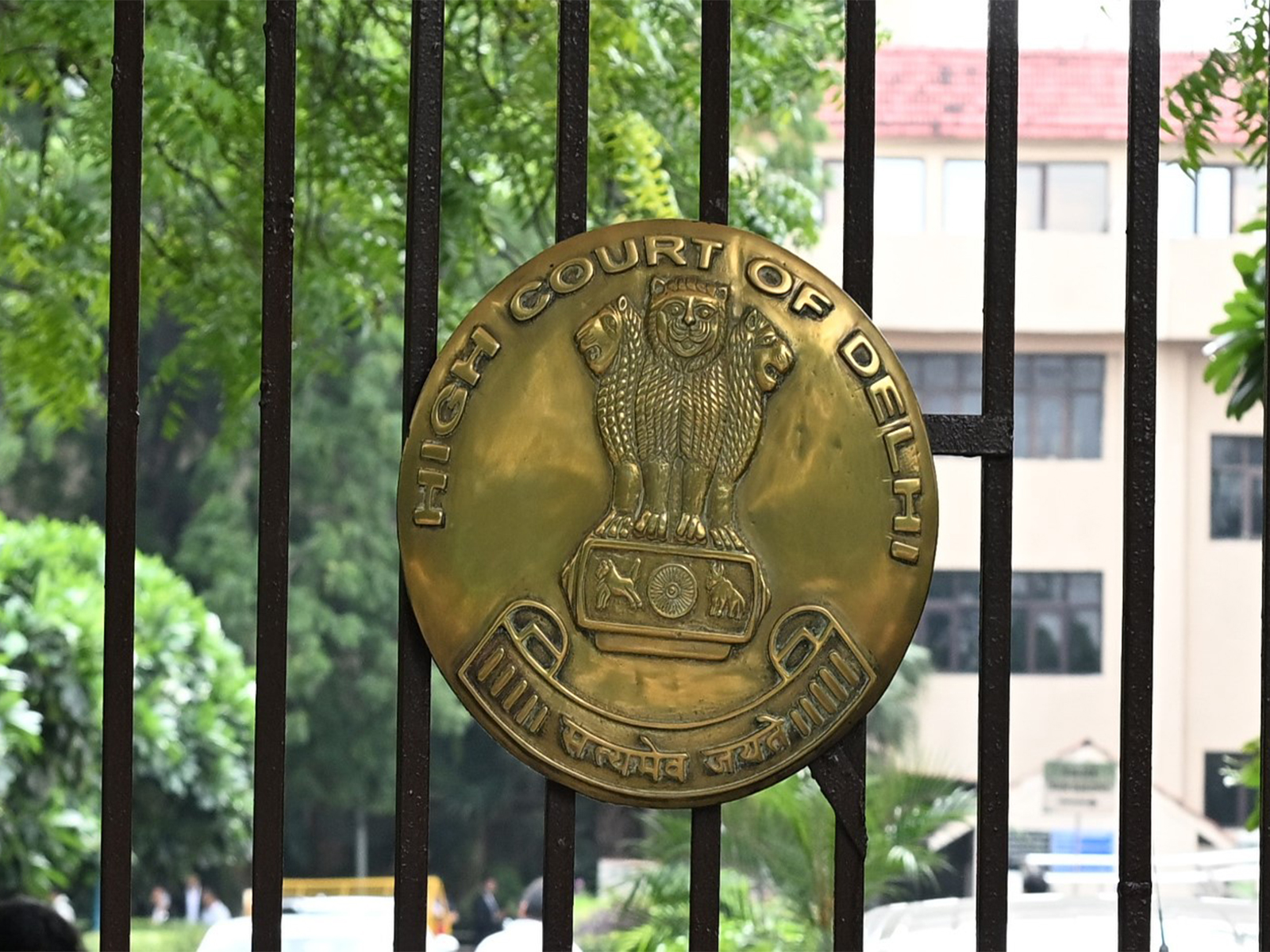
New Delhi [India], June 2 : A three-year-old girl suffering from LRBA deficiency, a rare genetic disorder affecting the immune system, has approached the Delhi High Court seeking urgent directions to the Union Government to release financial assistance for a life-saving bone marrow transplant estimated to cost around Rs 40 lakh.
The writ petition has been filed through the child's father, who contends that despite being eligible under the National Policy for Rare Diseases, 2021, no financial assistance has been released by the authorities, even as doctors have warned that a delay in treatment could seriously endanger the child's life.
The petition seeks a direction to the Ministry of Health and Family Welfare to sanction and release the entire amount required for the child's haploidentical bone marrow transplant and post-operative care directly to Apollo Hospital, Chennai, where the procedure has been recommended.
The plea also seeks directions to ensure that the treatment commences without any further delay.
According to the petition, the child was born in September 2022 and began suffering from recurrent fever episodes and a significant decline in haemoglobin levels within months of birth. Between April and October 2023, she allegedly underwent multiple blood and platelet transfusions as her condition progressively worsened.
The plea states that the child was initially examined at AIIMS Delhi, where doctors were unable to ascertain the precise cause of her illness and advised further investigations. Subsequent tests reportedly revealed high levels of arsenic and silver, leading to a provisional diagnosis of toxicity. However, after treatment and further evaluation at CMC Vellore, doctors concluded that the earlier diagnosis was incorrect and instead suspected Autoimmune Lymphoproliferative Syndrome (ALPS).
Seeking a definitive diagnosis, the family later consulted specialists in Mumbai, who advised a Whole Genome Test. The report, received in July 2025, allegedly revealed that the child was suffering from LRBA (Lipopolysaccharide-Responsive Beige-Like Anchor Protein) deficiency, a rare genetic disorder caused by a compound heterozygous mutation. The petition states that the condition severely impairs the body's ability to regulate immune responses and leaves patients vulnerable to serious infections and autoimmune complications.
Following the diagnosis, the child's father approached specialists at Apollo Hospital, Chennai. The petition states that after evaluating the child in March 2026, doctors concluded that a bone marrow transplant was the only curative treatment available. As no fully matched donor could be identified, the hospital recommended a haploidentical transplant using the child's father as a half-matched donor.
Apollo Hospital, Chennai, has estimated the cost of the treatment and related procedures at approximately Rs 40 lakh. The petition states that the hospital possesses the specialised infrastructure and expertise necessary to undertake such a complex transplant and has a proven record in handling similar cases.
The plea further relies upon a prescription issued by AIIMS Delhi in April 2026, which allegedly acknowledged that the institution did not possess the facilities and resources required to provide the specialised treatment needed by the child. According to the petitioner, this admission demonstrates that the life-saving treatment is unavailable in government hospitals, making State intervention imperative.
The petition also states that Apollo Hospital, Delhi, independently assessed the case and estimated the cost of the required transplant at around Rs 36 lakh. It is claimed that the child's father has exhausted his savings on diagnosis, consultations and preliminary treatment and is now unable to bear the financial burden of the transplant.
Relying upon the National Policy for Rare Diseases, 2021, the petitioner contends that patients suffering from rare diseases are entitled to financial assistance from the government. The plea notes that while the policy originally contemplated assistance of up to Rs 20 lakh, the amount was subsequently enhanced to Rs 50 lakh through an Office Memorandum issued by the Ministry of Health and Family Welfare in May 2022.
According to the petition, representations seeking the release of funds were submitted to the authorities on June 1, 2026. However, no response has been received till date, prompting the family to approach the High Court.
The petitioner has argued that the failure to provide financial assistance violates Articles 14 and 21 of the Constitution. The plea contends that the Right to Life includes the right to timely and affordable medical treatment and that the State cannot evade its constitutional responsibility where a life-saving treatment is admittedly unavailable in government medical institutions.
The petition further asserts that public health is a State responsibility and that where the necessary infrastructure is unavailable in government hospitals, the authorities are obligated to fund treatment at an appropriate private medical institution. It argues that denial of assistance in such circumstances is arbitrary, unreasonable and unconstitutional.
To support its case, the petitioner has relied on the Supreme Court's decision in Paschim Banga Khet Mazdoor Samity v. State of West Bengal (1996), wherein the Court held that providing adequate medical facilities is a constitutional obligation of the State. Reliance has also been placed on decisions of the Delhi High Court and the Supreme Court relating to financial assistance for children suffering from rare diseases.
The petition warns that any further delay in treatment could result in progressive and irreversible deterioration of the child's health, including the risk of multiple organ failure and a substantial reduction in the chances of a successful transplant.
The matter has been filed through Anuj Aggarwal & Company, Advocates, on behalf of the petitioner.