"PM knows Budget has been damp squib": Jairam Ramesh
Feb 15, 2026
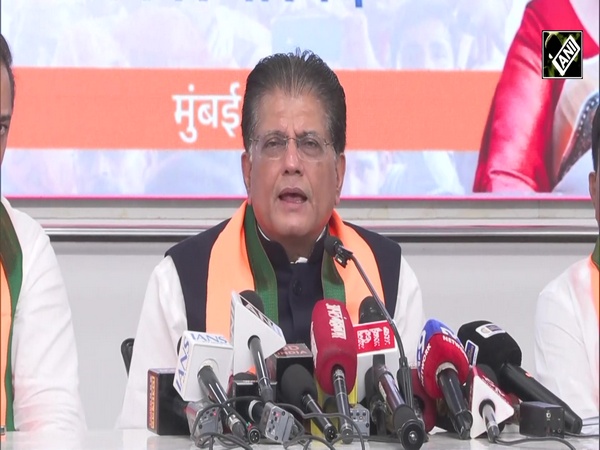
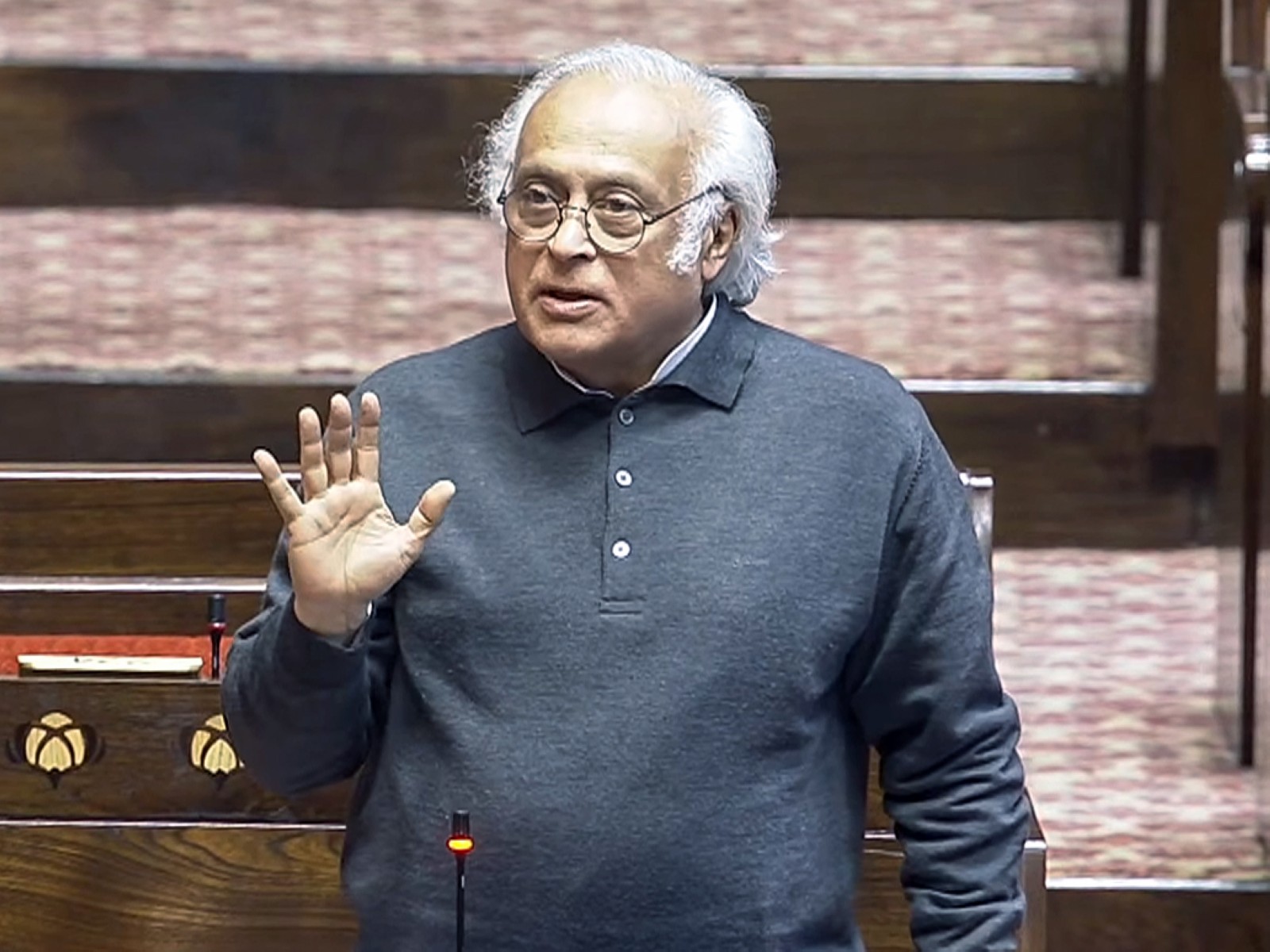
New Delhi [India], February 15 : Congress MP Jairam Ramesh on Sunday again criticised the 2026 Union Budget and said that Prime Minister Narendra Modi is also aware that it is a "damp squib".
Jairam Ramesh said PM Modi's interview with a media outlet comes after the opposition has torn apart the budget.
"The PM knows that this year's Budget has been a damp squib and shows every sign of intellectual exhaustion. Markets have reacted negatively and investors have been unimpressed. Hence, he feels the need to give an interview a fortnight after the Budget was presented, and a few days after the Opposition tore it apart in Parliament. As usual, there are Modi-style one-liners that mean little in reality," Jairam Ramesh said on X.
https://x.com/Jairam_Ramesh/status/2023029008699675036?s=20
The Union Budget has outlined a major push for environmentally sustainable passenger transport, proposing the development of seven high-speed rail corridors across key urban and economic centres. These corridors will act as growth connectors, cutting travel time, reducing emissions, and supporting regional development.
The proposed routes include Mumbai-Pune, Pune-Hyderabad, Hyderabad-Bengaluru, Hyderabad-Chennai, Chennai-Bengaluru, Delhi-Varanasi, and Varanasi-Siliguri. Together, they will link India's financial hubs, technology centres, manufacturing clusters, and emerging cities through faster, cleaner mobility.
Reiterating his criticism of India-US interim trade agreement, Jairam Ramesh said PM Modi is resorting to a headline management tactic, adding that the interview is "carefully scripted and a desperate PR exercise."
"Under siege and attack because of his surrender to the US on the trade deal, the Prime Minister is now resorting to his favourite tactic of headline management. He is trying to divert attention away from his betrayal of lakhs and lakhs of farmers and other capitulations. His so-called interview is no interview, but a carefully scripted and desperate PR exercise," he said.
Congress has repeatedly criticised the India-US interim trade deal, claiming it "hurts" Indian farmers and accusing PM Modi of "surrendering" to Washington.
Earlier in the day, Leader of Opposition in the Lok Sabha Rahul Gandhi stated that the country is witnessing a "betrayal of Indian farmers" in the name of the pact.
In an 'X' post, Gandhi asked Prime Minister Narendra Modi about the meaning of importing Distillers Dried Grains (DDG) crops from the US. He said this would mean Indian cattle would be fed distillers' grain made from Genetically Modified (GM) American corn, and questioned whether it would effectively make Indian milk production dependent on the US agricultural industry.
"We are witnessing a betrayal of India's farmers in the name of a US trade deal. I want to ask the Prime Minister a few simple questions: What exactly does importing DDG mean? Does it mean Indian cattle will be fed distillers' grain made from GM American corn? Won't this effectively make our milk production dependent on the American agricultural industry?" said Rahul Gandhi.
The Congress MP further highlighted that if imports of US GM soybean oil are allowed, what would be its impact on Indian soybean farmers in Madhya Pradesh, Maharashtra, Rajasthan, and across the country? He also asked the meaning of the term "additional products", stating that whether it is a signal that, over time, there will be pressure on India to open up pulses and other crop markets to US imports.
The India-US Interim Agreement, announced last week, is intended as a framework for a reciprocal and mutually beneficial trade pact between the two countries.
The agreement will involve the elimination or reduction of tariffs on US industrial goods and a wide range of food and agricultural products, including dried distillers' grains, red sorghum for animal feed, tree nuts, fresh and processed fruit, soybean oil, wine and spirits, and additional products.
In return, the United States will apply a reciprocal tariff of 18 per cent on selected Indian goods, including textiles, apparel, leather, footwear, plastics, rubber, organic chemicals, home decor, artisanal products, and certain machinery. Upon full implementation, US tariffs on items such as generic pharmaceuticals, gems and diamonds, and aircraft parts will be removed.