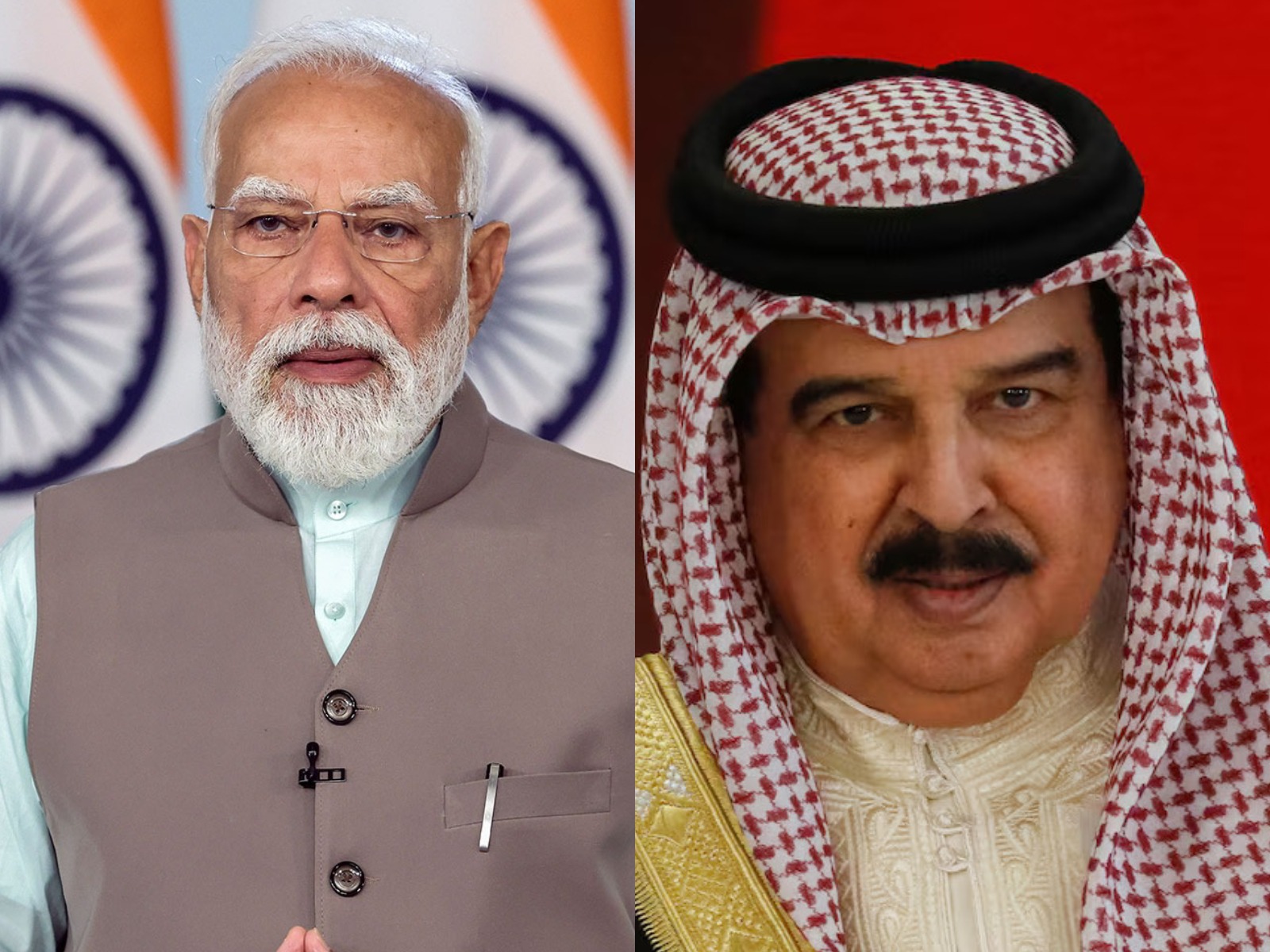
PM Modi, Bahrain King condemn strikes on energy, civilian infrastructure in West Asia
Mar 20, 2026
New Delhi [India], March 20 : Prime Minister Narendra Modi on Friday held a high-level discussion with Bahrain's King Hamad Bin Isa Al Khalifa and discussed the volatile situation in West Asia, specifically condemning recent strikes on regional energy and civilian infrastructure, underscoring their adverse impact on global food, fuel and fertiliser security.
During the telephonic exchange, PM Modi also extended Eid al-Fitr greetings to King Hamad and expressed gratitude for the monarch's steadfast support regarding the welfare of the Indian community residing in Bahrain.
In a statement shared on X, PM Modi detailed the reach of their talks, noting: "Had a fruitful discussion with the King of Bahrain, His Majesty King Hamad Bin Isa Al Khalifa. Conveyed warm greetings on the occasion of Eid al-Fitr to him and the people of Bahrain. We discussed the current situation in the West Asian region. Condemned attacks on the energy and civilian infrastructure in the region, underscoring their adverse impact on global food, fuel and fertiliser security."
https://x.com/narendramodi/status/2034996917491704272?s=20
Emphasising the necessity of maritime stability amidst the unrest, PM Modi "reiterated the importance of ensuring freedom of navigation and keeping shipping lines open and secure. Thanked His Majesty for his continued support for the well-being of the Indian community in Bahrain," he added.
The diplomatic engagement follows the significant escalation in West Asia that erupted after the US-Israeli strikes on Iran on February 28, which resulted in the death of Iran's former Supreme Leader Ayatollah Ali Khamenei and senior military figures. This prompted retaliatory drone and missile strikes by Iran against Israel, and US assets in the Gulf nations.
As part of India's proactive regional diplomacy, PM Modi has maintained consistent contact with international partners. Over the past several days, he has consulted with leaders from Oman, Kuwait, the UAE, Israel, Iran, Saudi Arabia, Qatar, Malaysia and France to navigate the fallout of the conflict in the Gulf region.
Furthering this outreach on Thursday, PM Modi and Jordan's King Abdullah II held their second telephonic conversation this month, sharing their mutual anxiety over the regional trajectory.
Posting on X, PM Modi stated: "Conveyed advance Eid wishes to my brother, His Majesty King Abdullah II, the King of Jordan, over phone. We expressed concern at the evolving situation in West Asia and highlighted the need for dialogue and diplomacy for the early restoration of peace, security and stability in the region."
He further noted that "Attacks on energy infrastructure in West Asia are condemnable and can lead to avoidable escalation. India and Jordan stand in support of unhindered transit of goods and energy. Deeply appreciated Jordan's efforts in facilitating the safe return of Indians stranded in the region," he added.
In a similar vein, PM Modi spoke with French President Emmanuel Macron to stress the "urgent need for de-escalation and return to dialogue and diplomacy."
The diplomatic marathon also included a conversation with Oman's Sultan Haitham bin Tariq. PM Modi reinforced India's "condemnation of the recent violation of Oman's sovereignty and territorial integrity," with both leaders concurring on the essential role of diplomacy in restoring regional peace.
"Had a productive conversation with my brother Sultan Haitham bin Tariq and conveyed advance Eid greetings to the people of Oman. We agreed on the need to prioritise dialogue and diplomacy for de-escalation and subsequent restoration of peace and stability," PM Modi posted on X after the call.
Highlighting the specific maritime concerns of the two nations, he added: "Reiterated India's condemnation of the violation of Oman's sovereignty and territorial integrity and appreciated Oman's efforts to facilitate the safe return of thousands of people, including Indian nationals. India and Oman stand for safe and free navigation through the Strait of Hormuz."