PoJK: 21 years after earthquake, victims still await rehabilitation
Jan 19, 2026
Muzaffarabad [PoJK], January 19 : Twenty-one years after the devastating earthquake in Pakistan-occupied Jammu and Kashmir, the rehabilitation of affected communities remains far from complete. Hundreds of reconstruction projects, funded with billions of rupees, are still unfinished, leaving families in precarious conditions.
Despite decades having passed since the disaster, many children continue to attend school under the open sky, braving extreme cold in winter and scorching heat in summer.
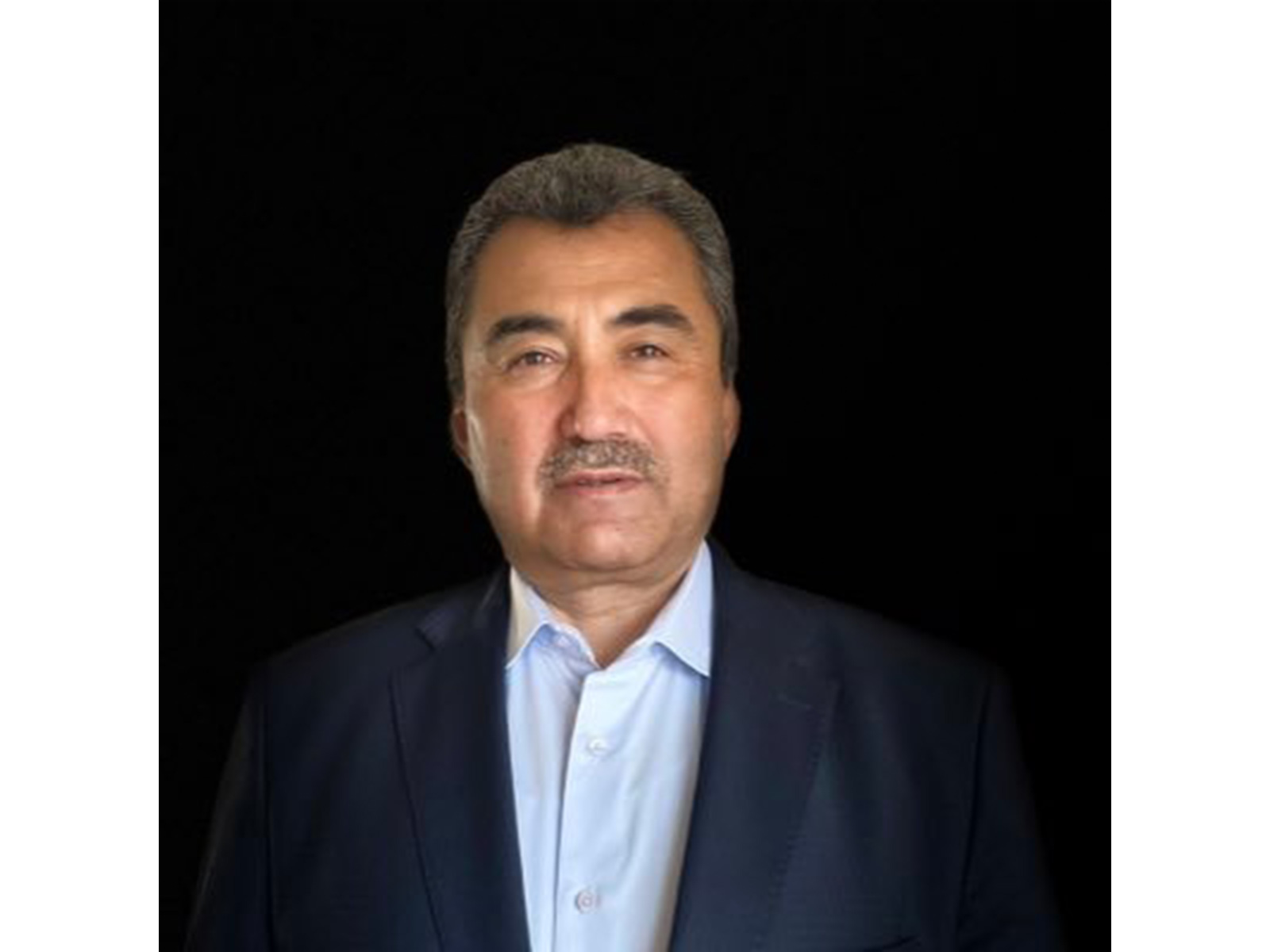
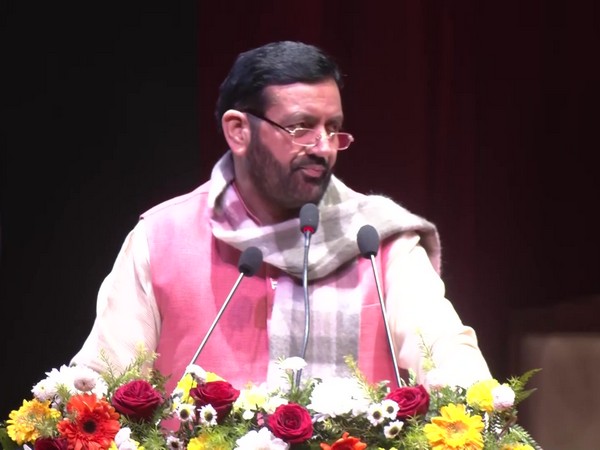
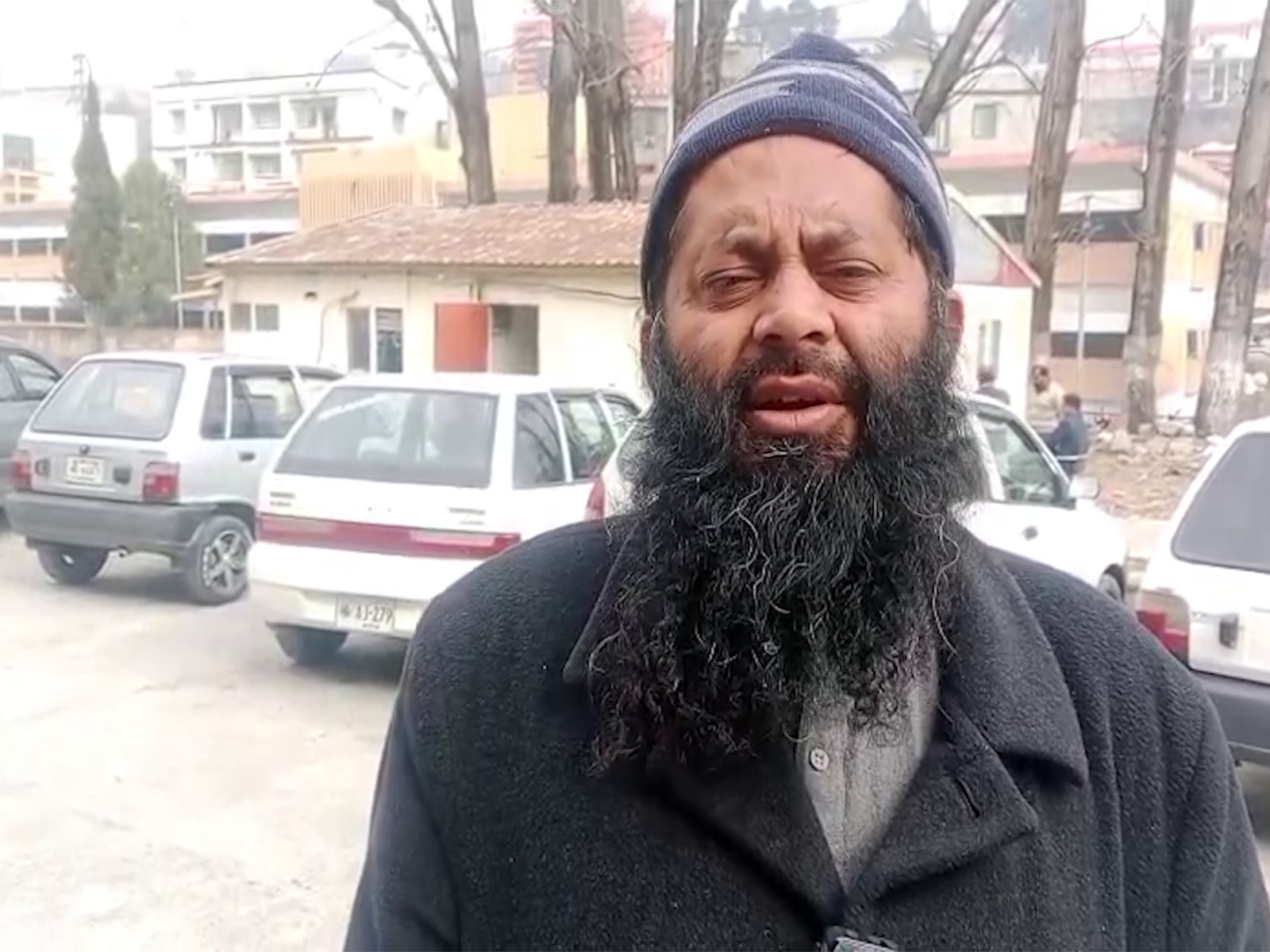
Maulana Muhammad Altaf Butt, a local leader, said, "The projects that were initiated had billions of rupees spent on them, but unfortunately, none of them could achieve their intended results, whether due to a lack of funds, repeated changes in governments, or internal disagreements. As a result, losses were incurred, but they were borne by the people of PoJK. All those issues remained exactly as they were."
To provide adequate housing, two satellite towns were constructed in Muzaffarabad to accommodate earthquake-affected families. However, these towns remain non-functional, with basic facilities, including clean water, still unavailable.
Residents continue to face severe difficulties, living without access to essential services even after more than two decades.
Maulana Butt highlighted the urgency of resolving these issues, saying, "Without a water connection, how can people live there? And this is a small issue. If the government resolves this matter, a few thousand families from Muzaffarabad could be settled there, population pressure on the city would be reduced, and people would be able to live more easily and better. So these are issues of water, security, and other small problems, and the government should resolve them properly."
The abandoned projects and neglected satellite towns serve as a stark reminder of failed governance. Earthquake victims remain marginalised, struggling to survive with little hope for relief.
After more than twenty years, the delay in rehabilitation has not only worsened living conditions but has also eroded trust in government institutions, leaving a generation burdened by the consequences of administrative negligence.