Prolonged detention violates liberty: Delhi Court grants bail to Sukesh Chandrashekhar in PMLA case
Apr 07, 2026
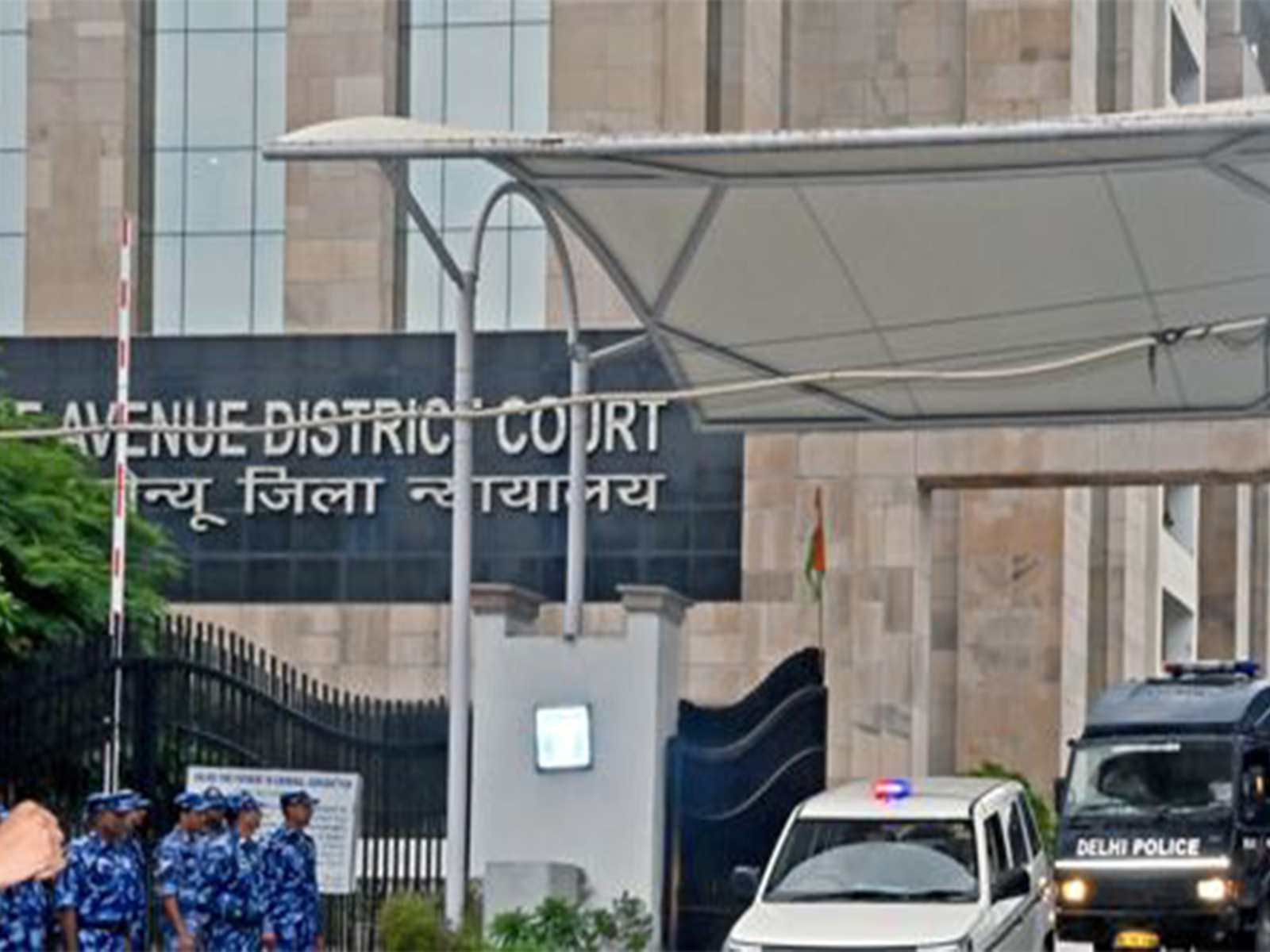
New Delhi [India], April 7 : A Delhi court has granted bail to alleged conman Sukesh Chandrashekhar in a money laundering case, holding that continued incarceration beyond a reasonable period violates the fundamental right to personal liberty and speedy trial. Emphasising constitutional safeguards, the court observed that an accused cannot be kept in custody indefinitely when trial is unlikely to conclude soon.
Allowing the plea under Section 479 of the Bharatiya Nagarik Suraksha Sanhita (BNSS), the court directed Chandrashekhar's release on furnishing a personal bond of ₹5 lakh along with sureties of the like amount. It also imposed conditions restraining him from contacting or influencing witnesses, requiring disclosure of his address and mobile number, surrender of his passport, and prior permission before travelling abroad. Advocate Anant Malik appeared in the matter.
The court underscored that Section 479 BNSS, which provides for release on bail upon completion of half of the maximum sentence, carries a mandatory flavour as it uses the expression "shall be released." While acknowledging that limited exceptions exist, the court held that such exceptions cannot be used to defeat the core principle of personal liberty.
Taking note of the custody period, the court recorded that Chandrashekhar had already undergone substantial detention, exceeding half of the maximum seven-year sentence prescribed under the Prevention of Money Laundering Act (PMLA). It further noted that proceedings in the predicate offence are currently stayed, thereby diminishing the possibility of an early conclusion of the trial.
Rejecting the Enforcement Directorate's opposition, the court held that the seriousness of allegations or pendency of multiple cases cannot automatically disentitle an accused from statutory bail. It emphasised that each case must be examined on its own merits and that the right to liberty cannot be overshadowed by the nature of the offence alone.
Relying on the Supreme Court's ruling in Vijay Madanlal Choudhary vs Union of India, the court reiterated that the right to speedy trial is an integral part of Article 21 of the Constitution. It was observed that prolonged incarceration without progress in the trial would amount to punishment before conviction, which is impermissible in law.
The case arises from allegations that Chandrashekhar acted as a middleman in a bribery attempt to influence the Election Commission of India in connection with the AIADMK party symbol dispute, with alleged proceeds of crime amounting to around ₹2 crore.
In a significant observation, the court cautioned against "trial by incarceration," stressing that special statutes like the PMLA cannot override constitutional protections. It held that liberty remains the most sacrosanct principle and must be preserved even in cases involving serious economic offences.