Prolonged West Asia conflict may raise inflation, market volatility in US: Morgan Stanley
Mar 05, 2026
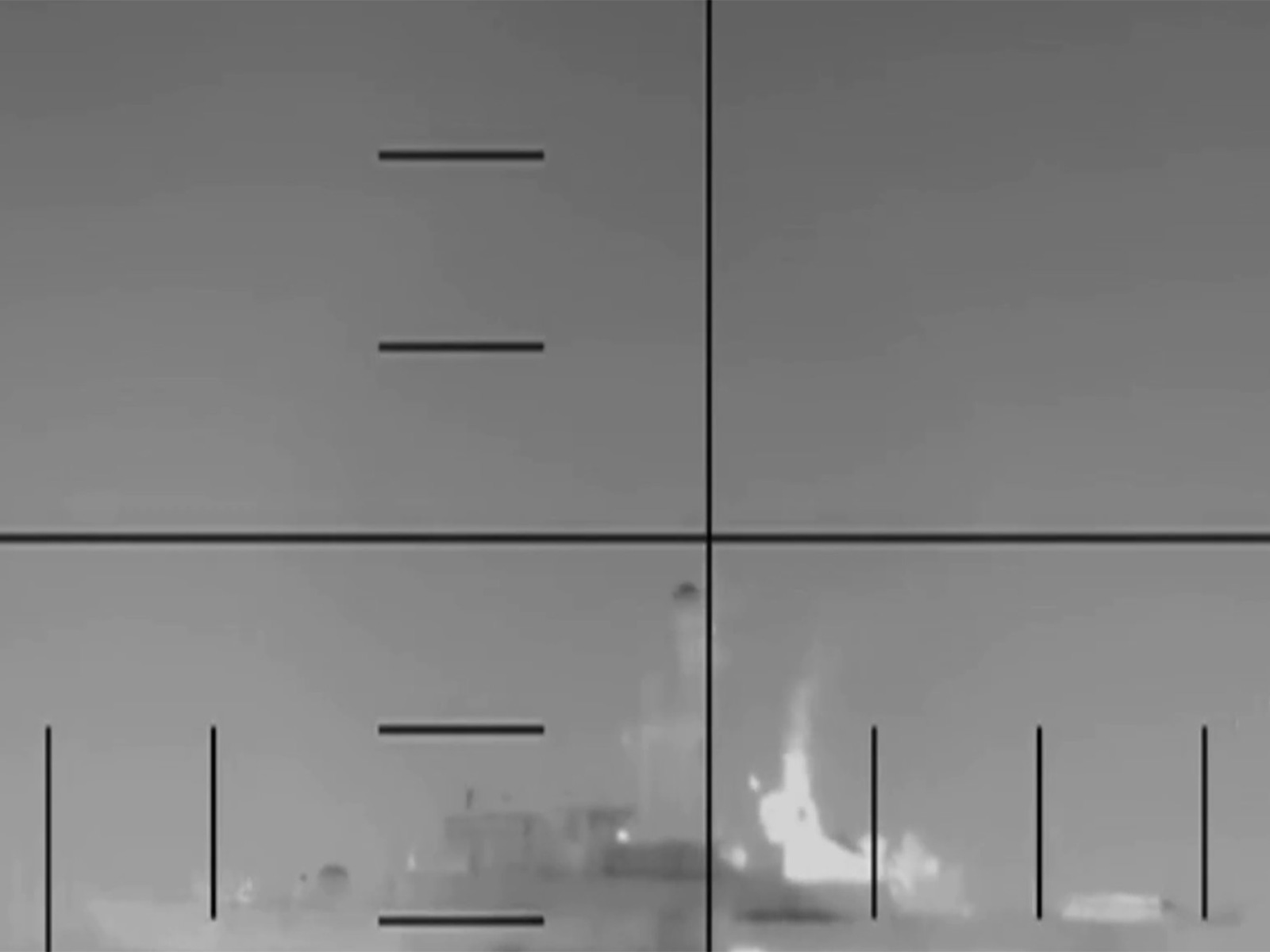
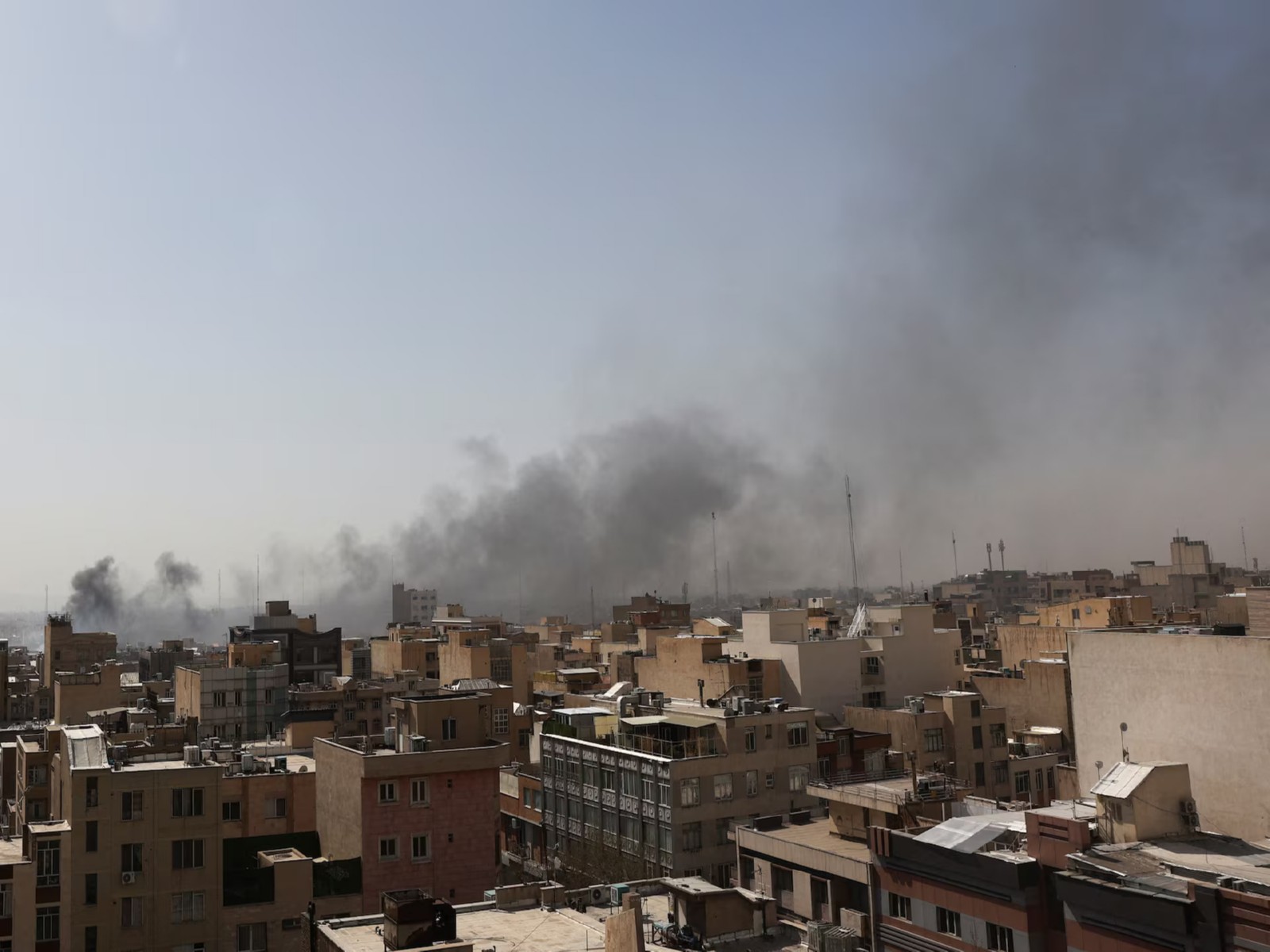
Mumbai (Maharashtra) [India], March 5 : The ongoing conflict in West Asia following the U.S.-Israeli attack on Iran and the subsequent retaliatory strikes by Iran across the region could increase economic and market volatility, particularly if the conflict continues for several weeks, according to a report by Morgan Stanley.
The report noted that the duration of the conflict will be a key factor determining its economic and financial market impact.
It said that a short and contained conflict could limit the economic spillovers, but a prolonged conflict could lead to sustained economic pressure through higher oil prices, rising inflation and uncertain financial conditions.
It stated, "The length of the conflict remains a key risk that could add to economic and market volatility if it is not resolved quickly".
President Trump has said the attacks could last as long as four to five weeks. Morgan Stanley said that if the conflict extends beyond a few weeks, the chances of economic stress rise significantly.
Oil prices are expected to play a critical role in shaping inflation trends. Morgan Stanley Research estimates that a 10 per cent rise in oil prices from a supply shock could lift headline consumer prices in the United States by about 0.35 per cent over the next three months.
The report added that the longer energy prices remain elevated, the more meaningful the inflationary pressure could become.
A strengthening U.S. dollar could offset some of the inflationary pressure, as geopolitical instability often drives investors towards the perceived safe-haven currency.
Higher energy costs could also affect consumer spending with a time lag. When oil prices rise due to supply disruptions, households initially face higher gasoline costs and may dip into savings, which supports nominal spending in the early phase.
The conflict could also influence political dynamics in the United States ahead of the midterm elections, where affordability remains a key issue. The report said that if the conflict is short, public dissatisfaction may fade quickly, but a longer conflict could keep political attention focused on rising living costs.
Morgan Stanley also noted that increased U.S. engagement in the conflict could push defence spending closer to President Trump's USD 1.5 trillion request, which represents a 50 per cent increase to the defence budget and a level not seen since the Korean War. Such spending could add further pressure on the country's already high debt and deficits.
Historically, markets have sometimes gained during wartime. Morgan Stanley said that financial markets posted double-digit gains during both Gulf Wars three and six months after the onset of the conflicts, led largely by defence sector stocks. However, oil prices could remain elevated if Iran remains under pressure.
The report said geopolitical risk is increasingly becoming a persistent factor for global markets rather than a temporary shock. As a result, investors may need to account for a world where regional conflicts and strategic competition influence asset allocation and risk premiums.
The implications are not limited to the United States. Rising oil prices and geopolitical uncertainty in West Asia have also weighed on investor sentiment in India.
In recent trading sessions, Indian equity markets have remained volatile as higher crude prices and regional tensions influence market outlook and capital flows.
On Wednesday, Sensex closed 1.4 per cent down or 1,123 points down at 79,116 points. Similarly, Nifty closed at 1.6 per cent down or 385 points down at 24,480 points.
Morgan Stanley suggested that in 2026, investors may consider increasing exposure to sectors such as defence, security, aerospace and industrial resilience, where government spending could drive long-term demand.