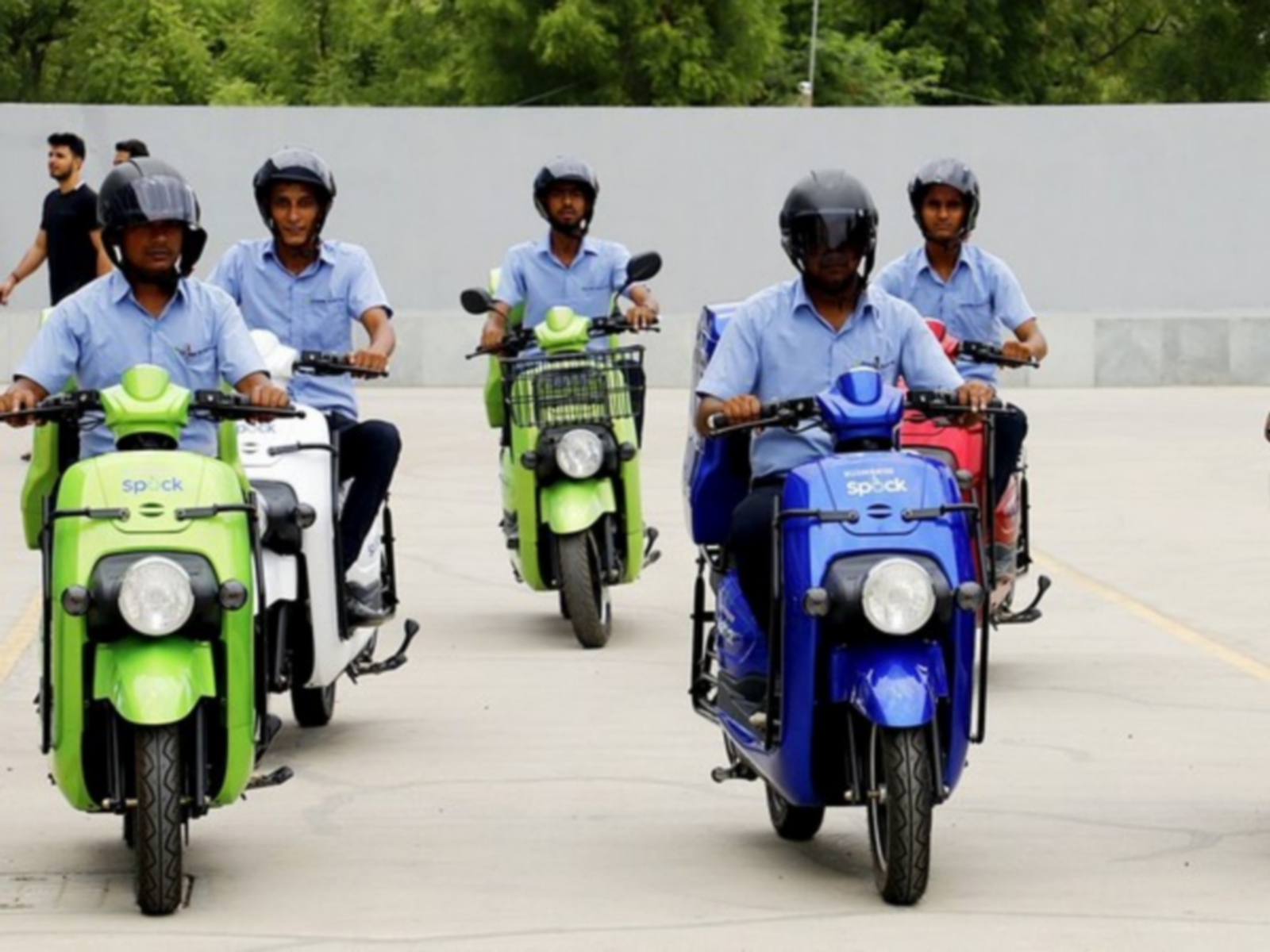
Quick-commerce, non-metro Gen Z riders emerge as new growth opportunities for electric two-wheelers: BCG
Oct 26, 2026
New Delhi [India], October 26 : The rapid expansion of quick-commerce and changing mobility needs of Gen Z consumers in non-metro cities are creating new growth opportunities for India's electric two-wheeler market, according to a research report by Boston Consulting Group (BCG).
The report, titled "Electric in Charge: How India's electric two-wheelers are moving into the mainstream," identified full-time quick-commerce and food-delivery workers, along with younger riders in non-metro cities, as two new consumer segments emerging over the past two years.
"The Indian two-wheeler consumer is changing rapidly, in just two years, not only have new segments emerged, but existing ones have evolved," said Ankur Jain, Partner and Associate Director at BCG, in the accompanying press release.
According to the report, India's quick-commerce market expanded from approximately USD 0.75 billion in 2022 to USD 8 billion in 2025, growing at a compound annual growth rate of around 120 per cent.
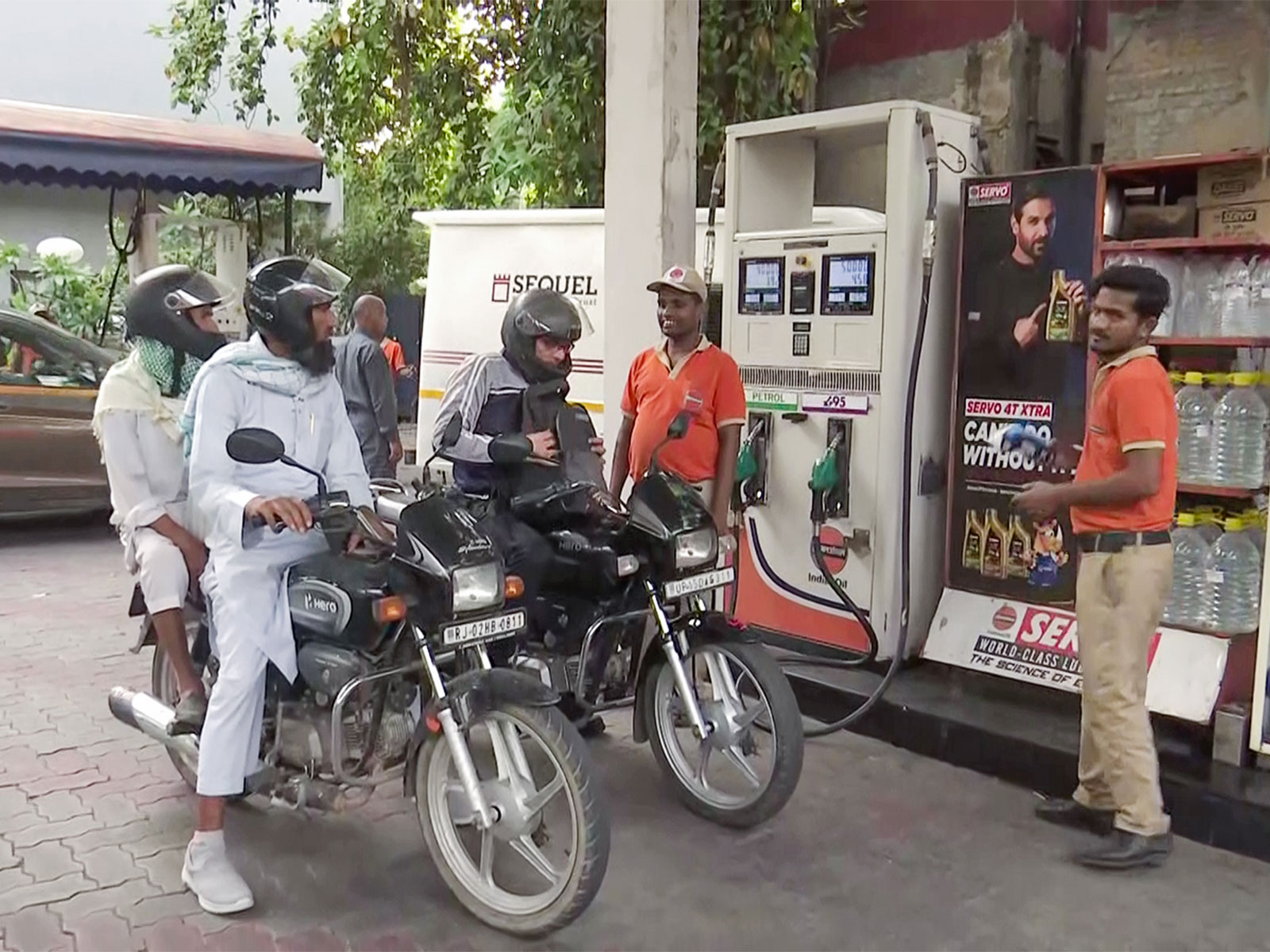
The expansion is creating demand for two-wheelers suited to frequent deliveries over short distances, with delivery workers prioritising affordability, speed and ease of movement.
BCG found that 72 per cent of riders in this segment prioritised affordability, while 55 per cent considered speed important and 50 per cent valued manoeuvrability.
The report also identified non-metro Gen Z riders travelling longer distances for work or education as another emerging segment. These consumers seek vehicles that combine attractive designs with reliability and the ability to handle poor roads.
However, unlike delivery workers who have increasingly adopted electric two-wheelers, non-metro Gen Z consumers remain more cautious, particularly about vehicle performance on rough roads.
BCG noted that around 60 per cent of young semi-urban consumers are now influenced by digital channels when purchasing personal vehicles, twice the level recorded in 2020.
"The brands that will lead are the ones that build for how Indians actually ride, rather than for price bands alone, and that earn trust across the entire ownership journey, from service and battery assurance to insurance and resale," said Saurabh Chhajer, Managing Director and Partner at BCG.
The emerging demand comes as electric two-wheelers gradually gain market share in India.
The report found that electric two-wheelers accounted for 9.9 per cent of overall two-wheeler sales during April-August 2026, compared with 5.5 per cent in FY24. Electric scooters' share of total scooter sales increased to 24.1 per cent from 16.8 per cent during the same period.
Meanwhile, the proportion of consumers actively considering electric two-wheelers rose to 43 per cent in 2026 from 30 per cent in 2024.
The findings are based on a 2026 survey of 1,600 two-wheeler owners and intending buyers across metro and non-metro India, compared with BCG's 2024 survey, alongside vehicle sales data from Vahan and the Society of Indian Automobile Manufacturers (SIAM) through August 2026.