Rahul Gandhi targets BJP over Indore water contamination deaths, says "poison in the water, air in its new smart city model"
Jan 17, 2026
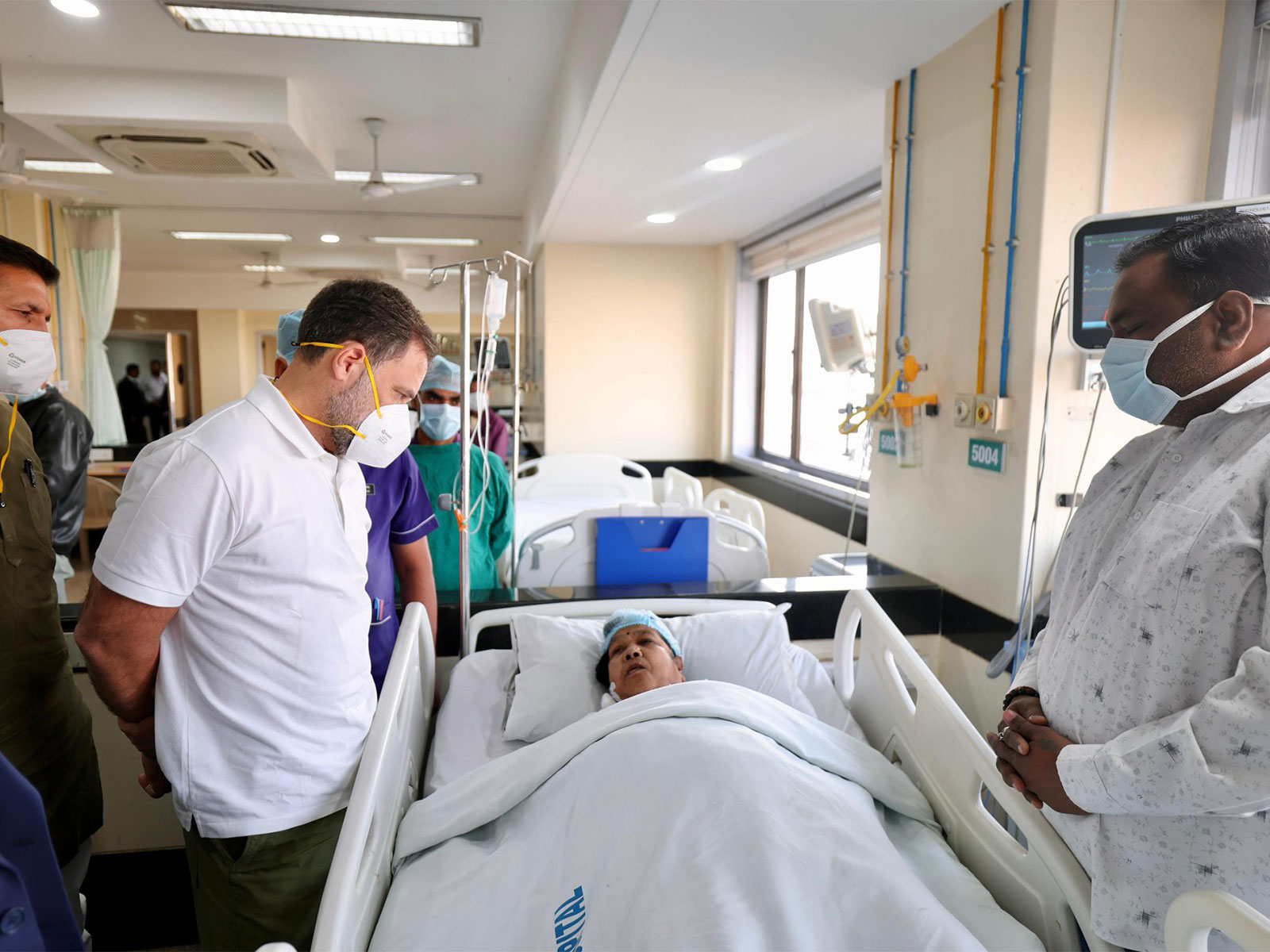
New Delhi [India], January 17 : Congress leader Rahul Gandhi today met the families of the victims who died due to consumption of contaminated drinking water in Indore and also those who are undergoing treatment in the hospital.
He accused the BJP government in Madhya Pradesh of criminal negligence over the deaths and illnesses caused by contaminated drinking water in the Bhagirathpura area of Indore, saying the government must take responsibility and ensure compensation and assistance to the affected families.
Taking digs at the BJP, he said it has "a new smart city model where no one is held responsible for the deaths of the poor"
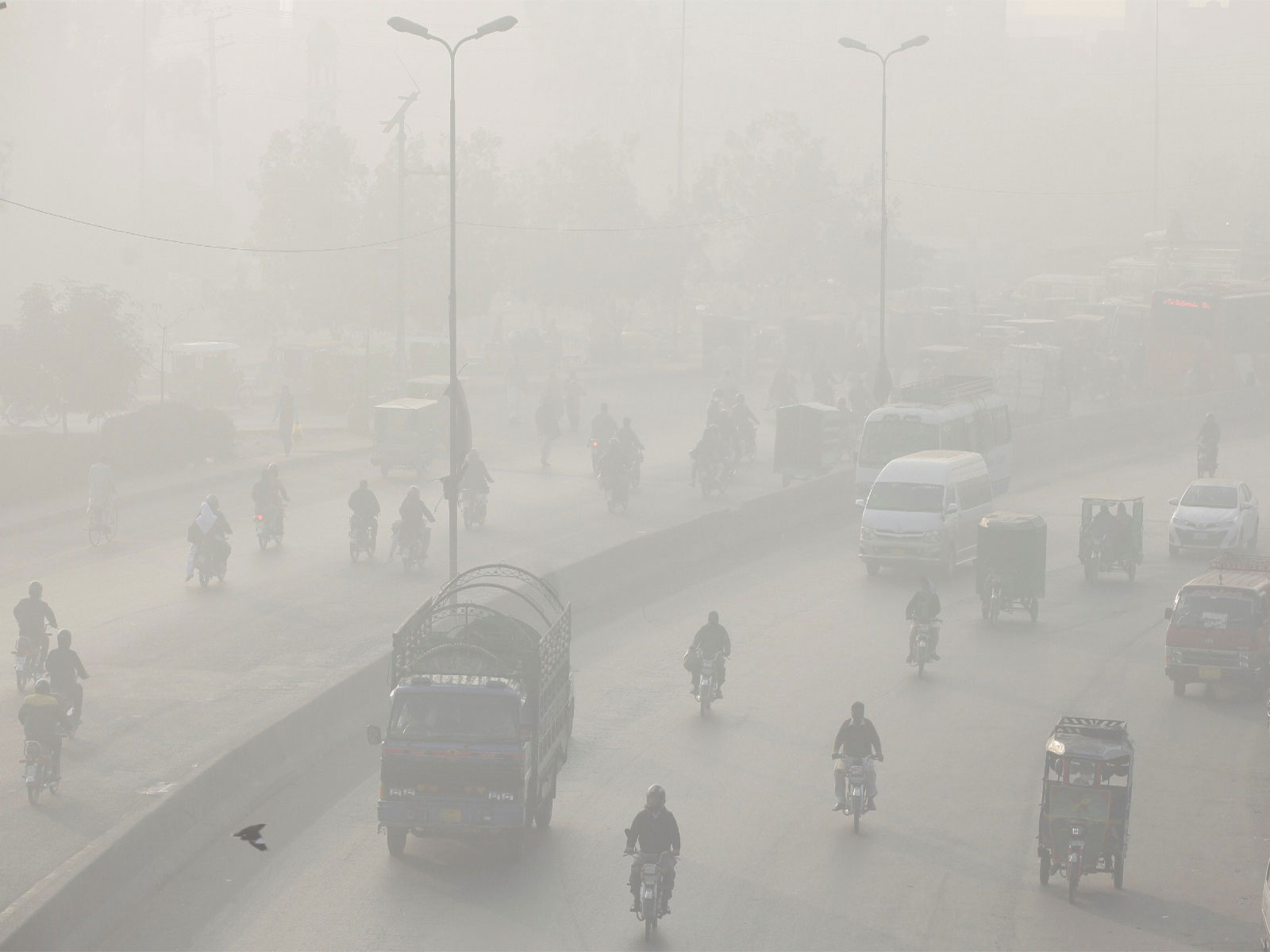
"The BJP's double engine government's new smart city model. Poison in the water, poison in the air, poison in the medicine, poison in the land. And if you demand answers, they'll roll in the bulldozer! In this model, somehow, no one is held responsible for the deaths of the poor," he said in a post on X.
"The government should immediately take accountability for the Indore tragedy caused by their negligence--punish the guilty and ensure prompt, proper treatment and compensation for the victims," he added.
After meeting the victims and their families, Gandhi, who is Leader of Opposition in Lok Sabha, said access to clean drinking water remains a serious issue in the country even today.
He alleged that the failure to provide safe drinking water and control pollution reflected the government's inability to discharge its basic responsibilities.
Several people have died and many others have fallen ill after consuming contaminated water in the area, he noted, adding that such incidents were a direct consequence of administrative negligence. "The affected families must be given proper compensation and support," he demanded.
Quoting local residents, the Congress leader said there was still no assured supply of clean drinking water in Bhagirathpura, and that alternative arrangements were temporary and largely symbolic. He warned that once public attention faded, the situation could revert to its earlier state. Residents, he said, were demanding a permanent and systematic solution, which was fully justified.