Raj Bhavans being renamed Lok Bhavans; changes reflect PM Modi's push for service-oriented, duty-driven governance
Dec 02, 2025
New Delhi [India], December 2 : With Raj Bhavans across the country being renamed as Lok Bhavans, the move is being seen as a step in line with changes under the Narendra Modi government, which mark a deeper ideological transition of India's democracy "choosing responsibility over power and service over status".
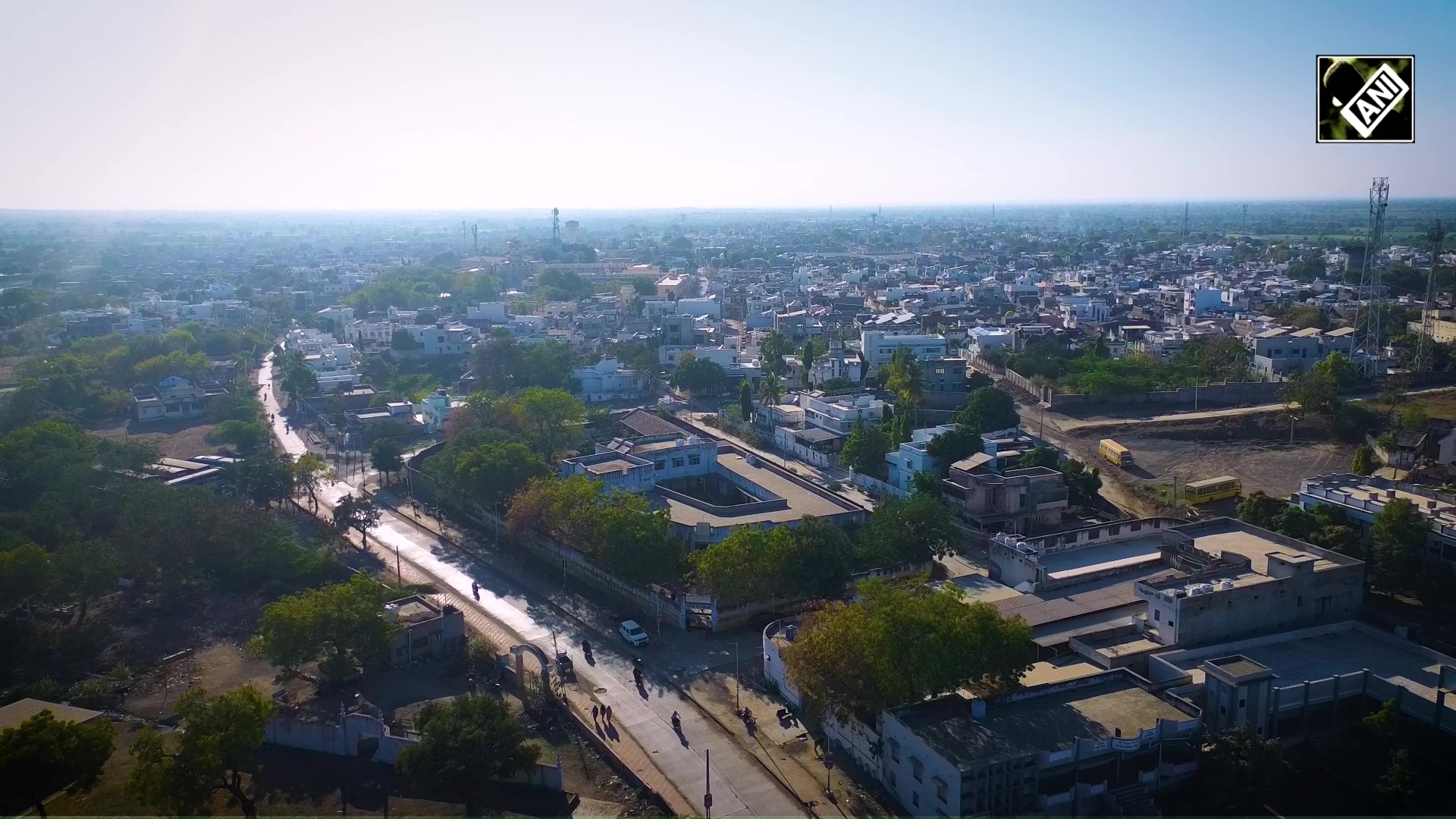
The Raj Bhavan in Odisha has been renamed Lok Bhavan, a decision that has also been implemented in several other states across the country. West Bengal's Raj Bhavan in Kolkata was renamed as Lok Bhavan on November 29. The Home Ministry has sent a communication to states for the change.
India's public institutions are undergoing a quiet but profound shift and the idea of governance is moving from "satta to seva and from authority to responsibility", sources said.
They said this change is not just administrative, it is cultural and moral and the shift in names marks a "shift in mindset".
The Modi government has taken several steps to remove vestiges of the colonial past.
Under Prime Minister Narendra Modi, the spaces of governance have been reshaped "to reflect kartavya and transparency" and every name, every building and every symbol now points to a simple idea that government exists to serve, sources said, noting that the Rajpath became Kartavya Path and a landmark street now carries a message that power is not an entitlement, it is a duty.
The Prime Minister's official residence was renamed Lok Kalyan Marg in 2016, a name that conveys welfare, not exclusivity and is a reminder of the work that lies ahead for every elected government.
The new complex housing the PMO is called Seva Teerth, a workplace designed to reflect the spirit of service and where national priorities take shape.
The Central Secretariat is named Kartavya Bhavan, a vast administrative hub built around the idea that public service is a commitment.
These changes mark a deeper ideological transition and Indian democracy is choosing responsibility over power and service over status, the sources said, adding that the changes speak the language "of seva, kartavya and citizen-first governance".
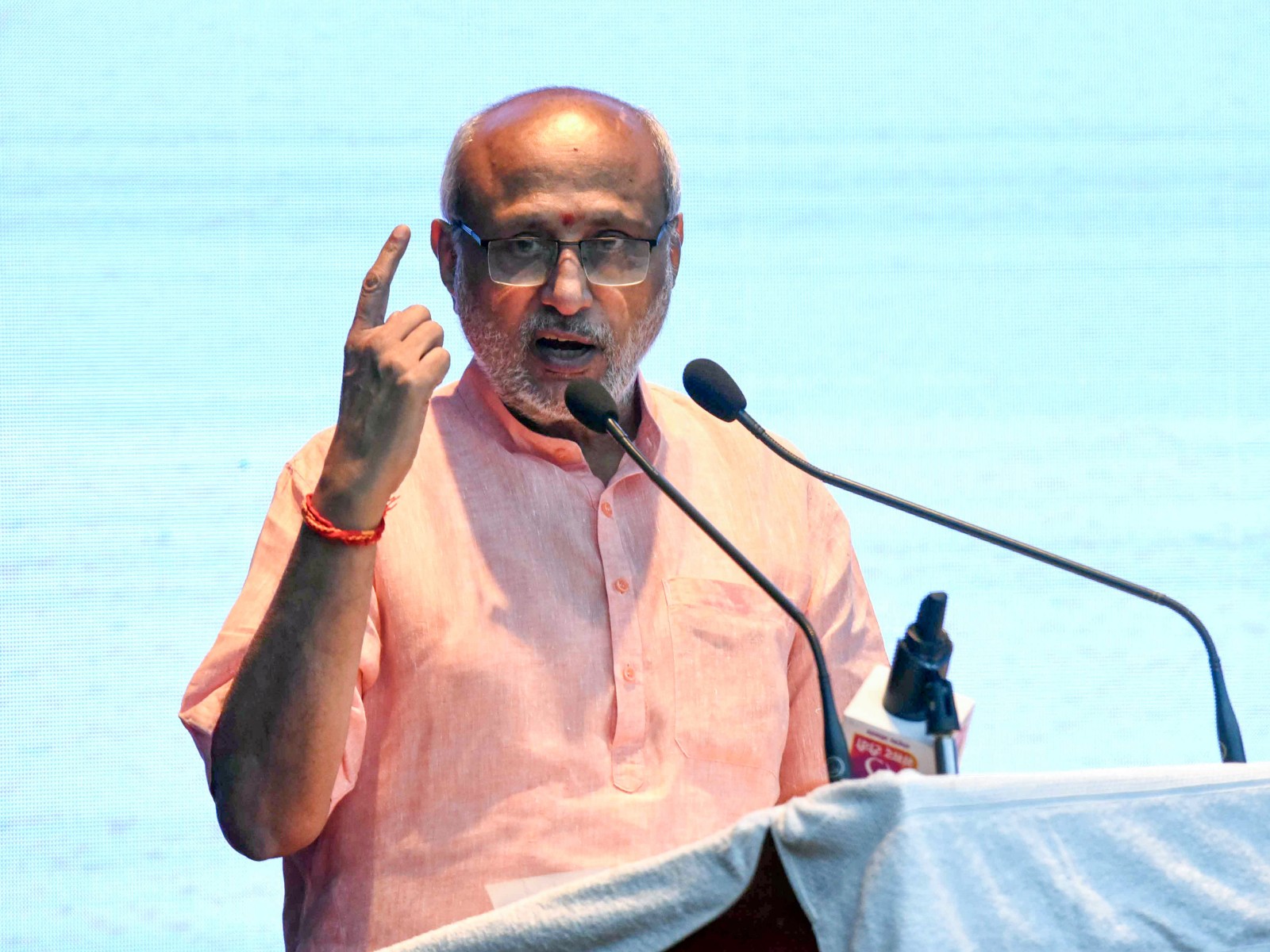
Odisha Governor Hari Babu Kambhampati said on Tuesday that 'Lok Bhavan', the new name, reflects a commitment to building stronger public connection and participation, in line with the vision of Prime Minister Narendra Modi.
He emphasised that Lok Bhavan symbolises transparency, accessibility, and a deeper relationship between the administration and the people.
"This initiative aligns with the broader vision of empowering citizens, strengthening governance systems, and ensuring inclusive growth. Lok Bhavan will continue to serve as an important platform for public engagement and consultation, now with a renewed focus on openness and accessibility for all," the Governor said.
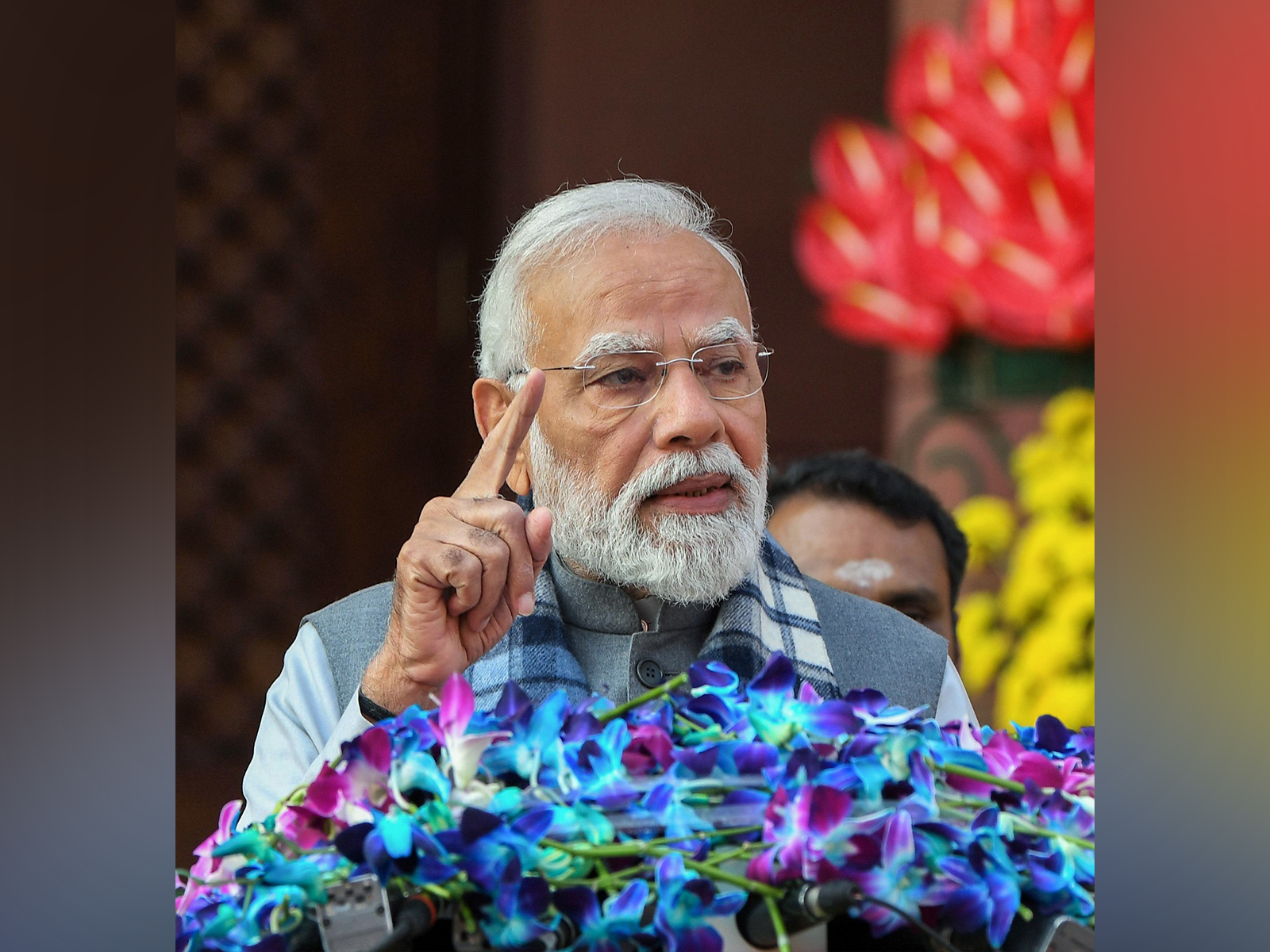
Prime Minister Narendra Modi, in his speeches, has emphasised the need of complete liberation from any "mentality of slavery".
He has noted that British politician Thomas Macaulay sowed the seeds of uprooting India from its roots and the country should move forward with the goal of liberating itself from the mentality of slavery and "inferiority complex" in the next 10 years.
In his speech at the flag-hoisting event at Ram Janmabhoomi Mandir last month, PM Modi had said that along with pride in country's heritage, another important task is complete liberation from the mentality of slavery.
He said Macaulay had, in 1835, sowed "the seeds of uprooting India from its roots".
"Macaulay laid the foundation of mental slavery in India. Ten years later, i.e. in 2035, 200 years will be completed since that unholy incident. Just a few days ago, I urged at a program that for the next ten years, we must move forward with the goal of liberating India from the mentality of slavery. The greatest misfortune is that the impact of Macaulay's vision has been far more widespread. We got independence, but did not get freedom from inferiority complex."
"A perversion has come into our country that everything, every system in foreign countries is good, and our own things are full of flaws. It is this mentality of slavery which has continuously established that we took democracy from foreign countries, it was said that our Constitution is also inspired from abroad, whereas the truth is that India is the mother of democracy, democracy is in our DNA," he added.
PM Modi said due to the slave mentality, many generations of Indians were deprived of knowledge about India's culturally rich past.
He referred to changes in the Navy flag and said the government has established the legacy of Chhatrapati Shivaji.
"This wasn't just a design change; it was a moment of mindset change. It was a declaration that India would now be defined by its own strength, its own symbols, and not by someone else's legacy. The same change is visible in Ayodhya also," he said.
"If we resolve to achieve complete freedom from mental slavery within the next ten years, then such a flame will be ignited, such confidence will grow, that no one will be able to stop India from achieving its dream of a developed India by 2047. India's foundation will be strong for the next thousand years only when we completely destroy Macaulay's project of slavery within the next ten years," he added.