Rare Earths and critical minerals a prime focus for India, government to support mineral-rich states to establish dedicated corridors: Ashwini Vaishnaw
Feb 01, 2026
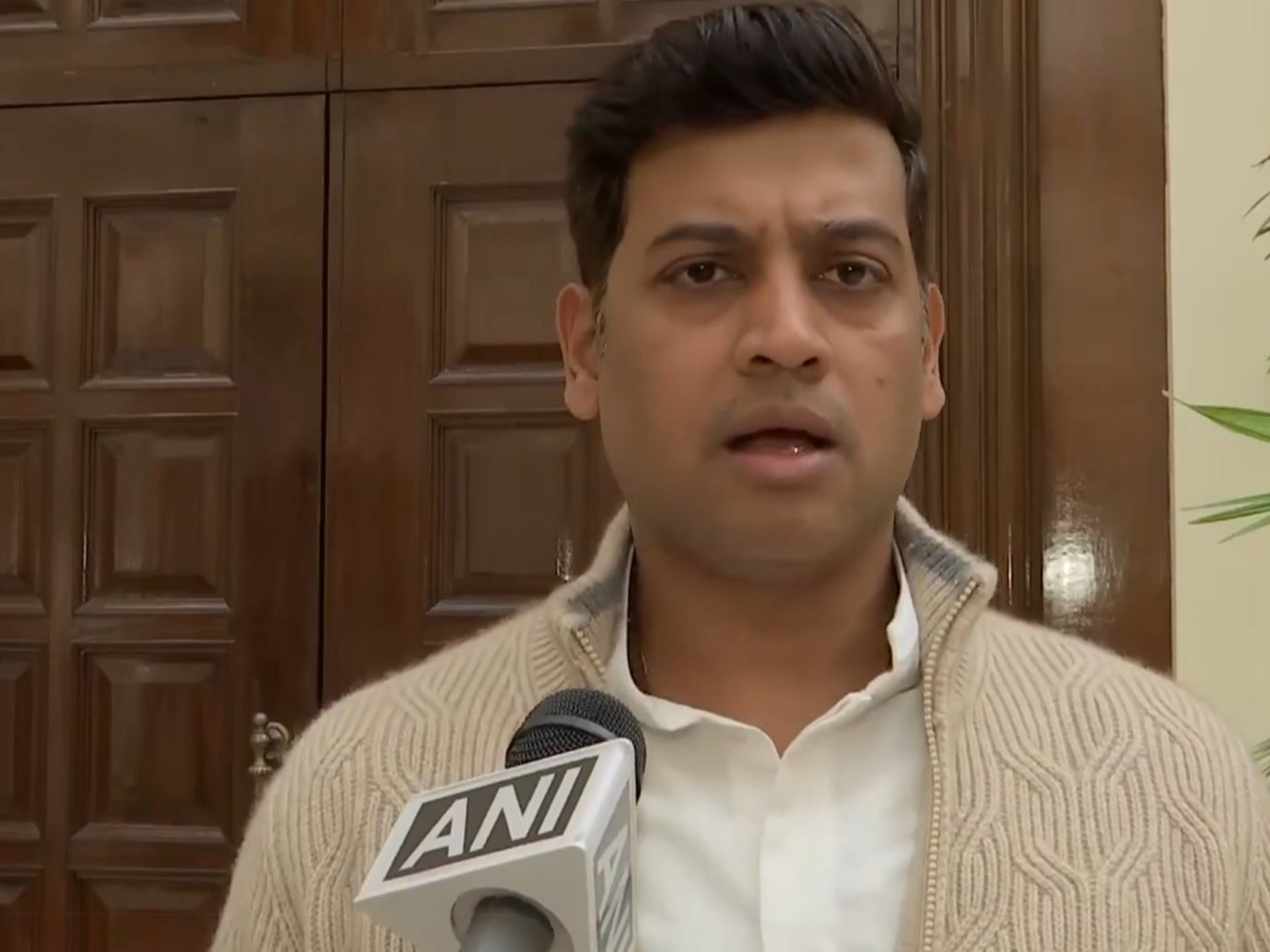
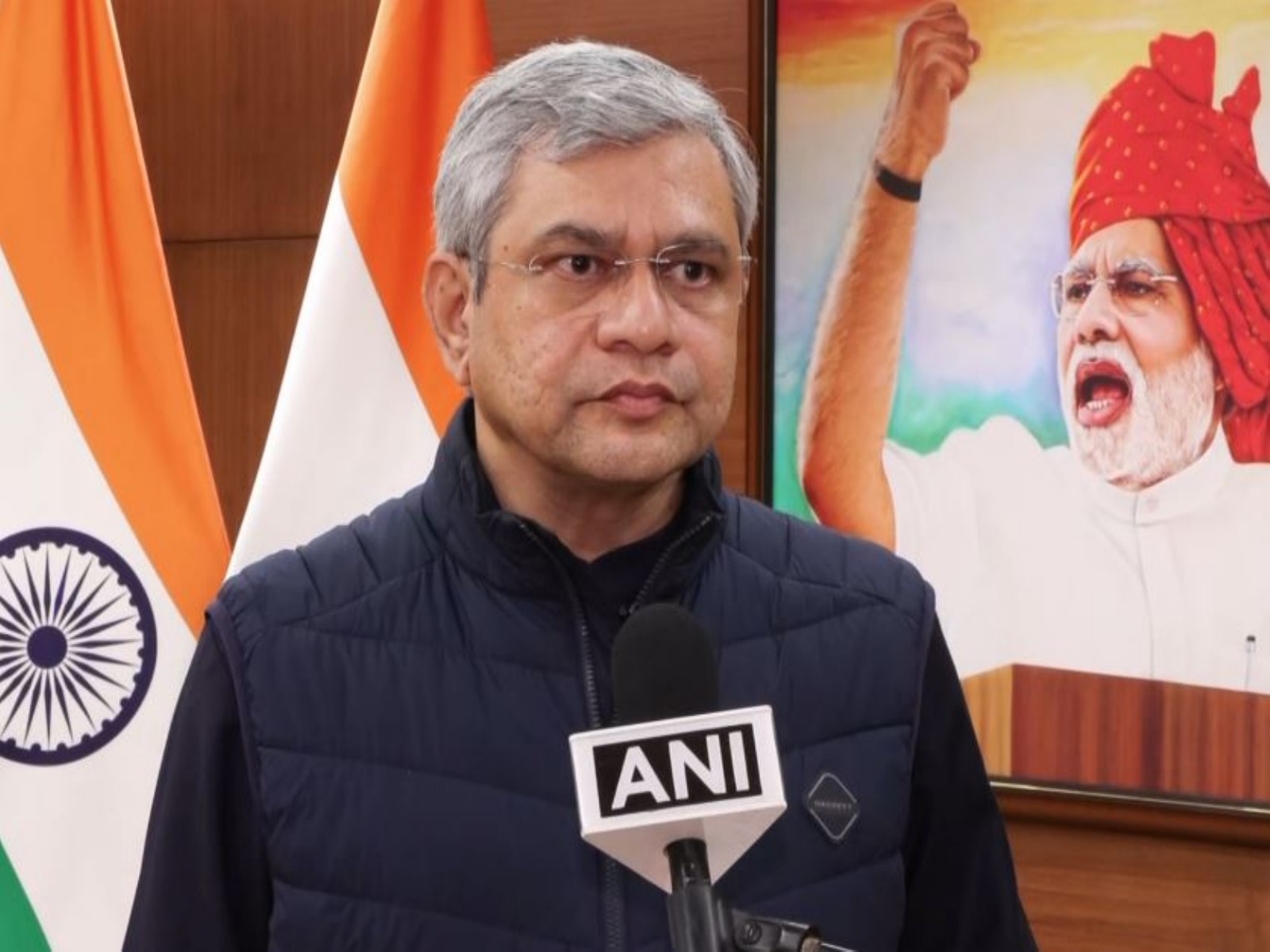
New Delhi [India], February 1 : Noting that critical minerals, rare earths, and permanent magnets are a very important part of manufacturing sector today, Union Minister Electronics and Information Technology has hailed the Union Budget's announcement of Rare Earth Corridors to support the mineral-rich states and said it will help the country develop "a rare-earth permanent magnet manufacturing industry," which will drive sustained growth.
In an interview with ANI, Vaishnaw said that boosting capacity for rare earths and critical minerals is a prime focus for the country.
"Critical minerals, rare earths, and permanent magnets are a very important part of our manufacturing sector today. Establishing a rare-earth permanent magnet corridor across coastal areas will help us develop a rare-earth permanent magnet manufacturing industry, which will drive sustained growth for our country," he said.
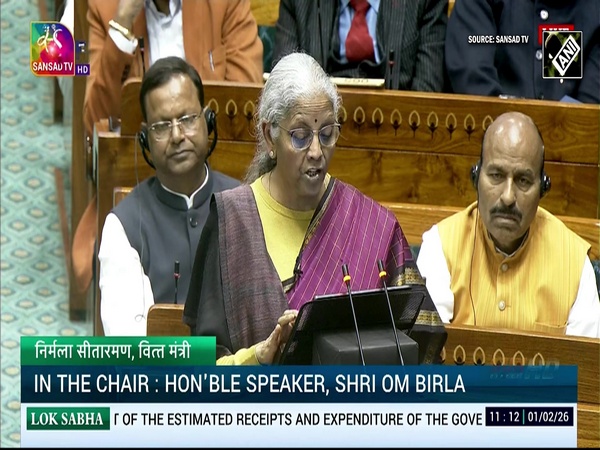
In her budget speech, Finance Minister Nirmala Sitharaman said the government proposes to support the mineral-rich States of Odisha, Kerala, Andhra Pradesh and Tamil Nadu "to establish dedicated Rare Earth Corridors to promote mining, processing, research and manufacturing".
She also said that India Semiconductor Mission (ISM) 1.0 expanded India's semiconductor sector capabilities, and building on this, the government will launch ISM 2.0 to produce equipment and materials, design full-stack Indian IP, and fortify supply chains.
"We will also focus on industry-led research and training centres to develop technology and skilled workforce. The Electronics Components Manufacturing Scheme, launched in April 2025 with an outlay of Rs 22,919 crore, already has investment commitments at double the target. We propose to increase the outlay to Rs 40,000 crore to capitalise on the momentum," she added.
The government had told Rajya Sabha last month that India is not reliant on China for accessing rare earth minerals present in Beach Sand Minerals (BSM) which is the principal ore of Rare Earths (RE) in India.
In BSM ore, the prescribed substance monazite occurs, which is a phosphate mineral of the Rare Earth Element containing Uranium and Thorium.
IREL, a PSU under the Department of Atomic Energy, produces Rare Earth Elements in the form of high pure rare earth oxides from RE bearing mineral Monazite in India. IREL has been operating in three locations, having the facility for integrated mining and processing of mineral sands and a facility each for the extraction and refining of rare earths.
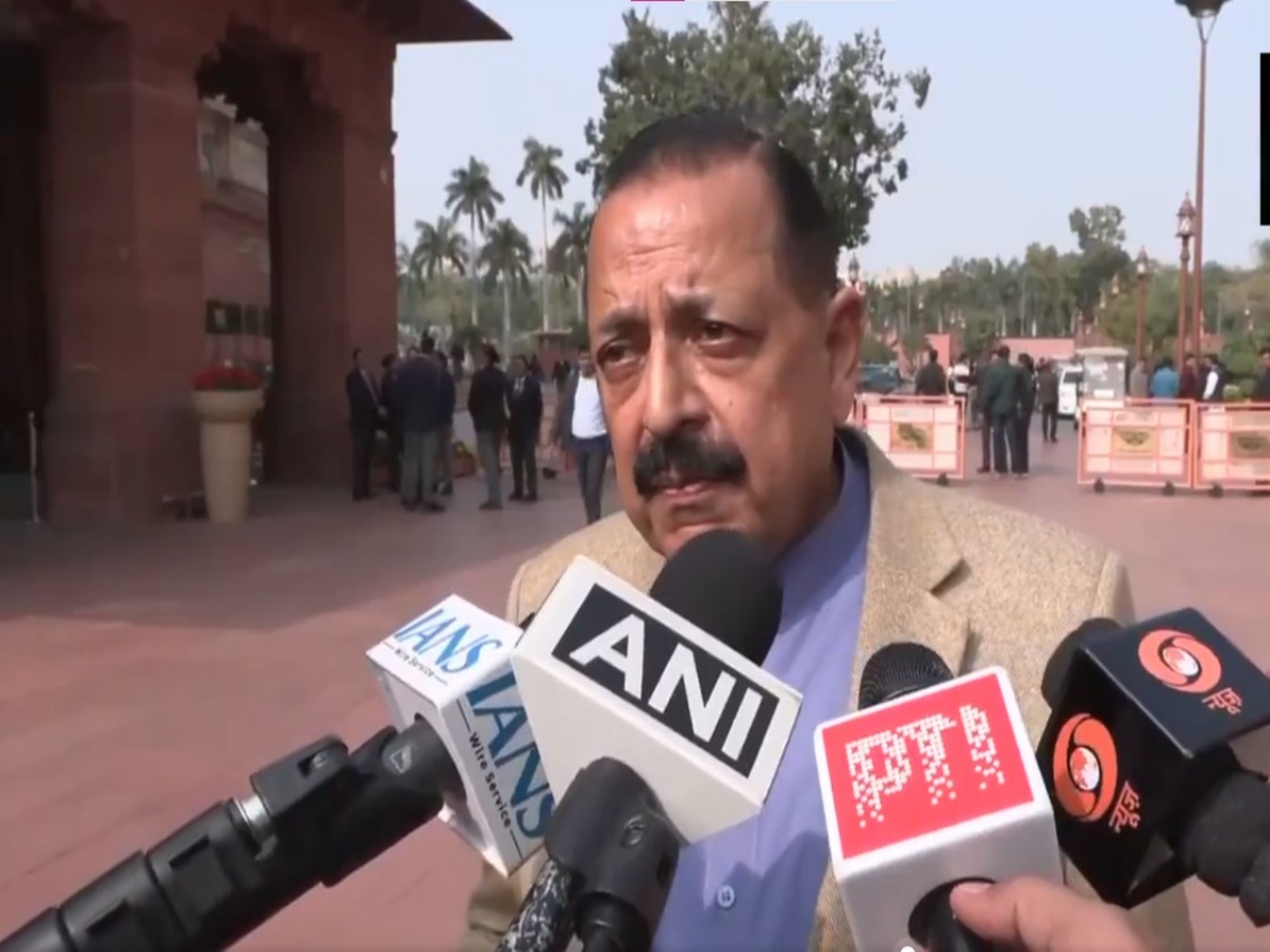
Union Minister for Science & Technology and Earth Sciences Jitendra Singh informed the Rajya Sabha in a written reply that for strategic sector, a Rare Earth Permanent Magnet plant has been operationalized at Vizag for production of Samarium Cobalt magnets.
IREL has established mini plants for the production of Lanthanum, Cerium and Neodymium metals at Rare Earth & Titanium Theme Park, Bhopal as part of the development of RE value chain in the country.
IREL has set up a Rare Earth Element recycling plant at Rare Earth Titanium Theme Park, Bhopal to recover the magnetic Rare Earths from end-of-life magnets.
The Union Cabinet has approved the scheme to promote the manufacturing of Sintered Rare Earth Permanent Magnet (REPM) with a financial outlay of Rs 7,280 Crore on 26th November, 2025, to establish 6,000 metric tonnes per annum (MTPA) of integrated REPM manufacturing capacity in the country.
Five beneficiaries are envisaged under the scheme through global competitive bidding.
A transparent Least Cost System (LCS), comprising a two-envelope process i.e. technical bid and financial bid is envisaged.
The Sales-Linked Incentive of Rs. 6,450 crore & Capital Subsidy of Rs. 750 crore is allocated for the scheme period.
Jitendra Singh informed the House that the scheme is aimed at promoting domestic manufacturing of REPM in the country, thereby contributing to reduce dependence on imports for critical sectors such as electric mobility, renewable energy, electronics and defence apart from facilitating employment generation and strengthening of domestic value chains.