RBI likely to maintain status quo in policy announcement, GDP may see 0.5-1% impact: PwC's Ranen Banerjee
Apr 07, 2026
By Nikhil Dedha
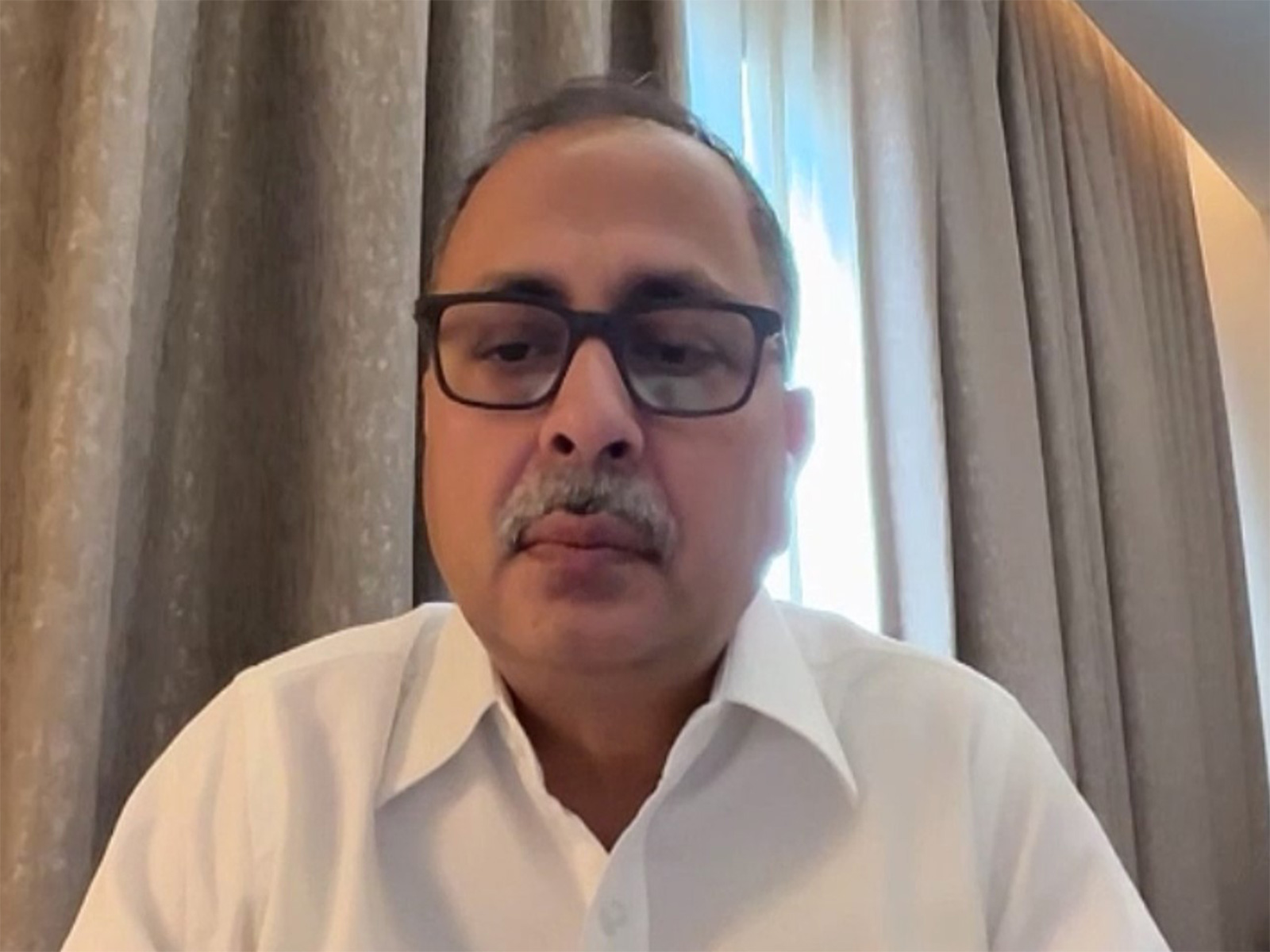
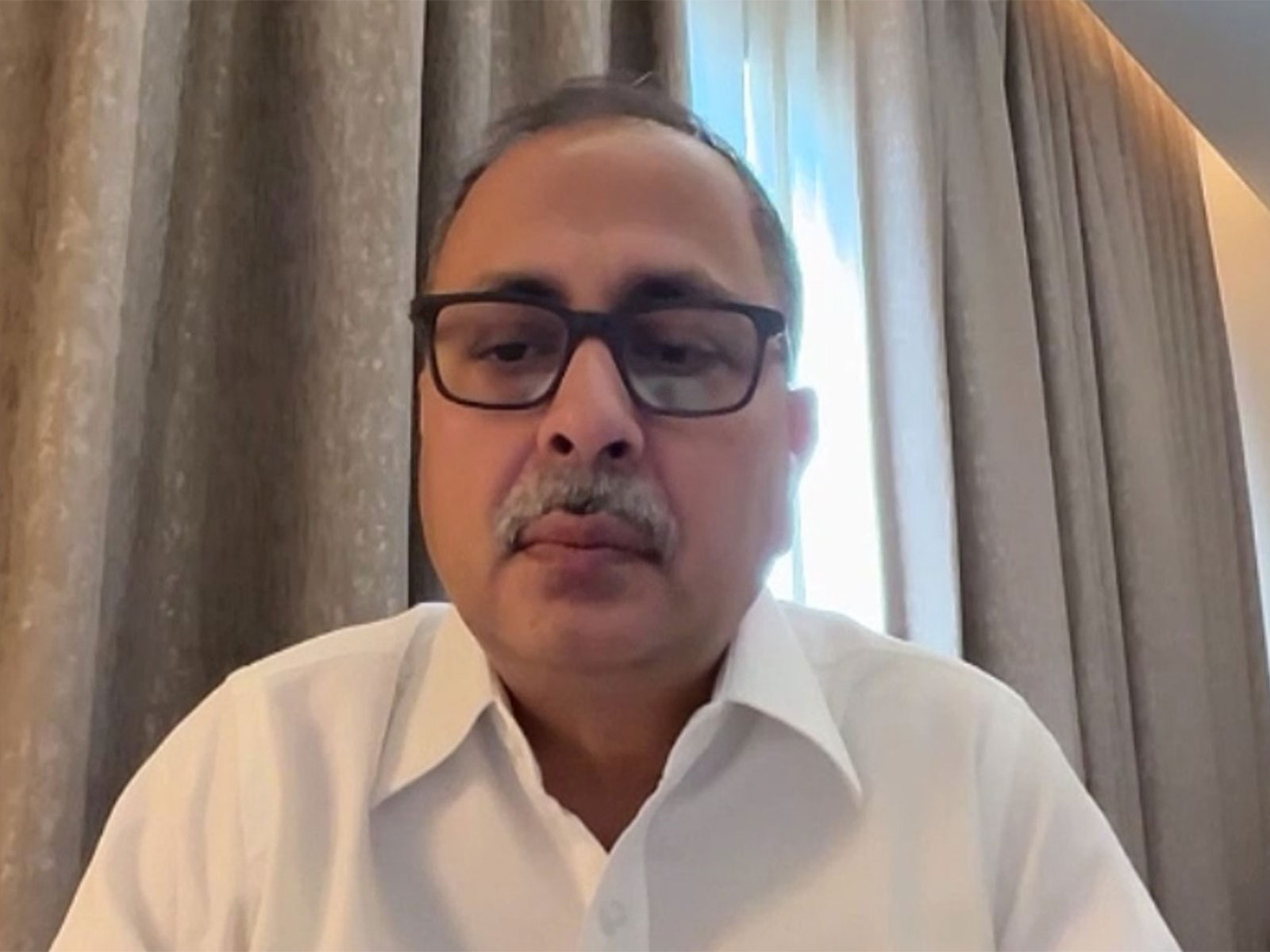
New Delhi [India], April 7 : The Reserve Bank of India (RBI) is likely to maintain a status quo on interest rates in its upcoming policy, even as geopolitical risks rise, with GDP growth expected to face a potential impact of 0.5 to 1 per cent, said Ranen Banerjee, Partner and Economic Advisory Leader at PwC India.
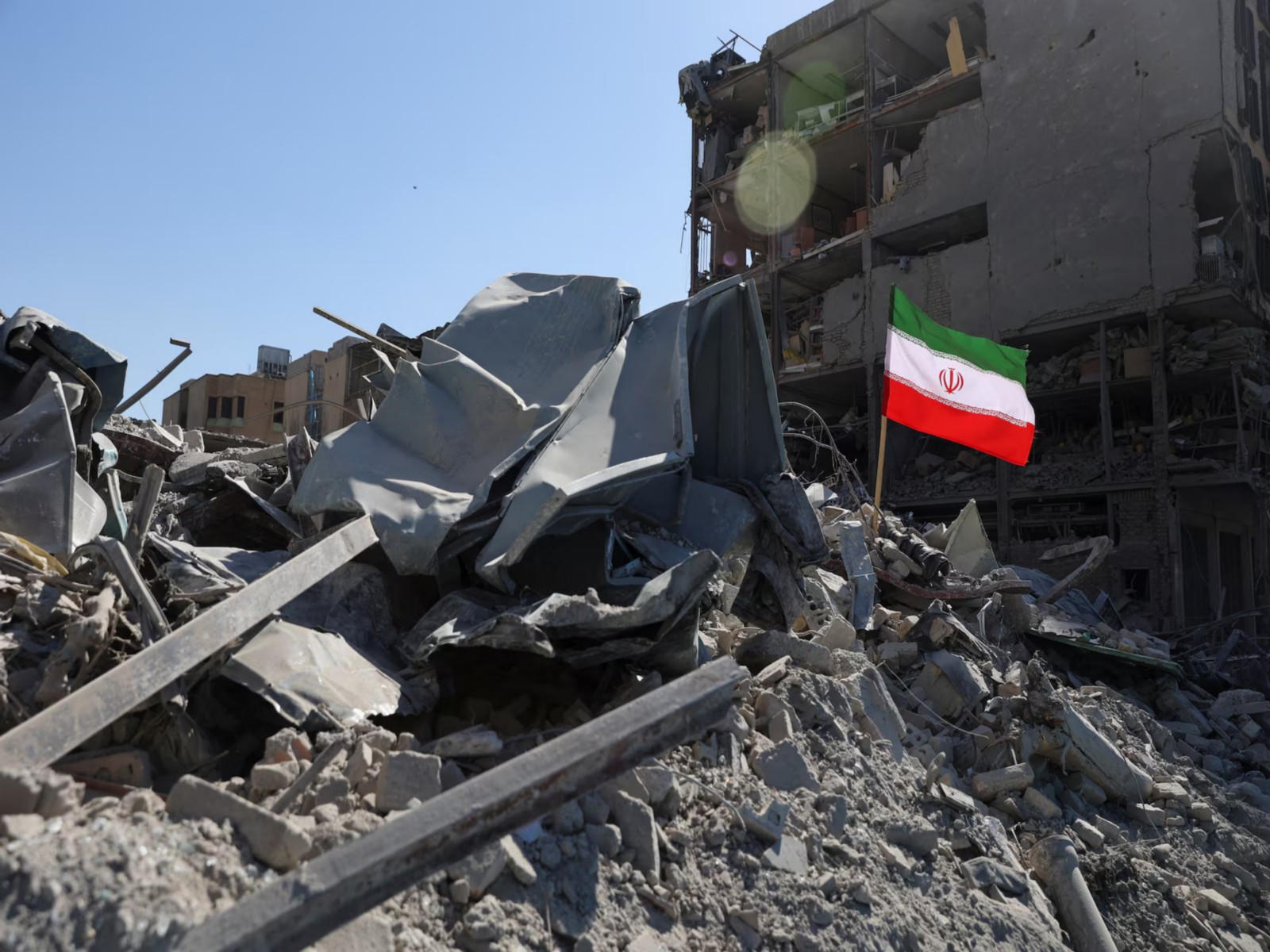
Speaking to ANI ahead of the policy announcement, Banerjee said that monetary policy action may not be effective in addressing the current challenges arising from the ongoing West Asia conflict.
"With the conflict and uncertainties, we can expect a status quo in rates. There could be some announcements related to liquidity measures, but a rate action is unlikely," he said.
On growth, Banerjee noted that while the RBI may signal concerns, it may avoid giving a precise number due to the evolving situation.
"I believe that anywhere between 0.5 to 1 per cent impact on GDP growth could be there, even if the conflict ends soon," he added.
On inflation, he highlighted that crude oil prices remain a key risk factor. If crude prices stay around USD 100 per barrel for the entire year, inflationary pressures could rise significantly.
"For every USD 10 increase above the USD 70 base case, CPI sees an impact of 0.3 to 0.4 per cent. If prices remain at USD 100, it could lead to nearly a 1 per cent increase in CPI and around 1.5 to 2 per cent rise in WPI," he said.
In the short term, Banerjee said inflation could rise by around 0.2 to 0.3 per cent on a month-on-month basis due to supply chain disruptions linked to the conflict.
He pointed out that the most visible economic impact so far has been on the exchange rate, with pressure on the rupee due to capital outflows and higher oil import costs. Additionally, exports to the affected region have declined, which could impact jobs, particularly in the MSME sector.
"There is already stress being felt in MSMEs. Input costs for companies are rising, and due to weak demand, passing on costs is becoming difficult, leading to margin pressure," he said.
Banerjee noted that sectors such as aviation, tyres, pharmaceuticals and construction are likely to be indirectly affected due to their dependence on petrochemical inputs. If crude prices remain elevated, companies in these sectors could see margin erosion in the range of 3 to 6 per cent.
On government measures, he said current steps are appropriate, including actions by the RBI to curb speculative currency movements, which have helped stabilise the rupee.
On the financial sector, Banerjee said banks remain relatively insulated from immediate risks due to credit guarantee schemes for MSMEs. While non-performing assets (NPAs) may not rise immediately, elevated bond yields above 7 per cent could lead to mark-to-market losses for banks.
Looking ahead, he said the rupee may remain under pressure due to higher oil imports and potential decline in remittances, but is unlikely to weaken to 100 against the US dollar.
Even if the conflict ends soon, oil prices are expected to remain elevated for some time due to supply disruptions. However, broader trade is likely to normalise within three to four months.
Banerjee added that India could benefit in the medium term from reconstruction efforts in the Middle East, boosting exports and creating new opportunities for Indian businesses and workers.
Despite near-term challenges such as inflation, current account deficit and margin pressures, he said India's macroeconomic fundamentals remain strong.
"Even in a worst-case scenario, growth could remain around 5.5 to 6 per cent, and inflation is likely to stay within the RBI's comfort range of 4 per cent plus-minus 2 per cent," he said.
He emphasised that while there may be short-term disruptions, India's domestic demand-driven economy and policy response provide stability, ensuring that the overall macroeconomic outlook remains resilient.