RBI may opt for more rate cuts if global challenges hit domestic growth: CareEdge Report
Dec 08, 2025
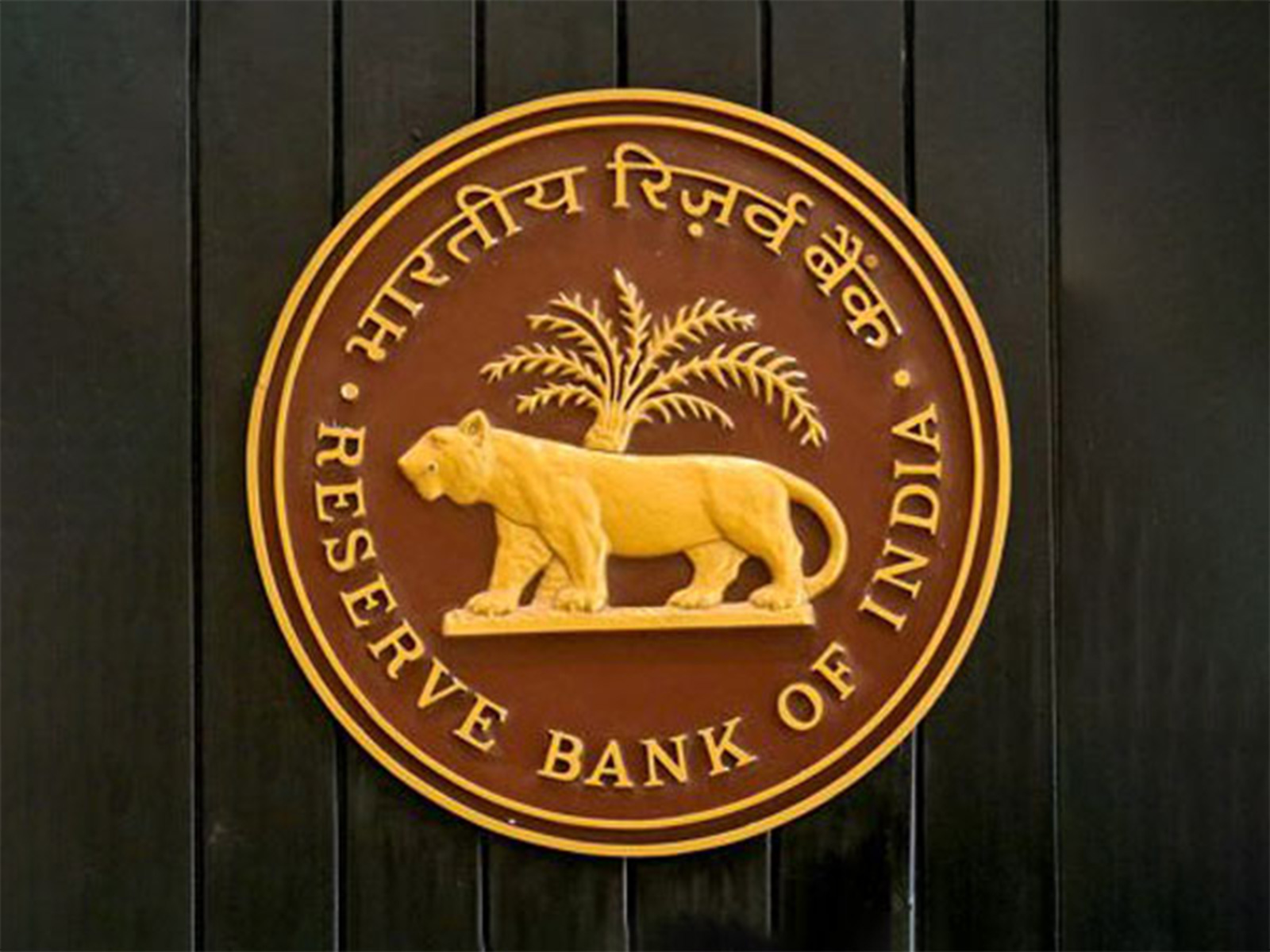
Mumbai (Maharashtra) [India], December 8 : The Reserve Bank of India (RBI), after delivering a 25 basis-point policy rate cut in December, is expected to keep the option open for further monetary easing if global headwinds severely weigh on India's growth outlook, highlighted a report by CareEdge Ratings.
The report noted that on the fiscal front, the government has already provided stimulus through GST rate rationalisation and a lower income tax burden.
However, with limited room for further fiscal support, the responsibility may shift toward monetary policy if growth conditions deteriorate.
The report stated, "Given limited room for further fiscal stimulus, the RBI is likely to keep the option open for further rate cuts if global headwinds severely weigh on the growth prospects".
The current monetary policy decision comes at a time when the domestic economy has held up relatively well in the first half of the year, and inflationary pressures remain benign.
Taking comfort from very low inflation, the RBI has slashed the policy repo rate to further stimulate growth momentum in the coming months.
The report pointed out that this policy support is positive, especially since some of the drivers that supported growth in H1, such as early festive season boost and export front-loading, are expected to fade gradually.
At the same time, external conditions remain challenging, with exports facing pressure due to high US tariffs.
The report stated that even though there is scope for another 25 basis-point rate cut based on the inflation outlook, the Monetary Policy Committee (MPC) is likely to pause and preserve policy space.
The report emphasised that maintaining this "fire power" will be critical as fiscal space remains limited, given the government's focus on consolidation and the stimulus already provided through GST rationalisation and lower income tax burden.
With risks from global slowdown and trade-related pressures still present, the RBI is expected to adopt a cautious approach while keeping the door open for future rate cuts in case growth loses momentum.
The Monetary Policy Committee (MPC) of the Reserve Bank of India, in its meeting on 5th December, reduced the policy repo rate by 25 basis points to 5.25 per cent.
The repo rate is the rate at which the RBI lends money to commercial banks, and cutting it is aimed at boosting liquidity and supporting economic growth.
Following this revision, the Standing Deposit Facility (SDF) Rate, currently at 5.00 per cent, is the rate at which banks can place their surplus funds with the RBI without providing any collateral.
The Marginal Standing Facility (MSF) Rate, at 5.50 per cent, allows banks to borrow overnight from the RBI in case of an urgent fund shortage and is typically used as a last resort.
The Bank Rate, also at 5.50 per cent, is the long-term lending rate of the RBI to commercial banks and acts as a benchmark for other interest rates and certain penalties.
Meanwhile, the Fixed Reverse Repo Rate remains at 3.35 per cent and refers to the rate at which the RBI borrows funds from banks, helping manage liquidity by influencing how much money banks keep with the central bank versus lend in the market.
Together, these rates form key parts of the RBI's monetary policy framework, guiding liquidity, inflation control, and overall financial stability.