Risk-based interventions prevent Rs 1,400 Crore in telecom frauds; Jyotiraditya Scindia highlights measures undertaken and major outcomes in reducing telecom frauds
Feb 12, 2026
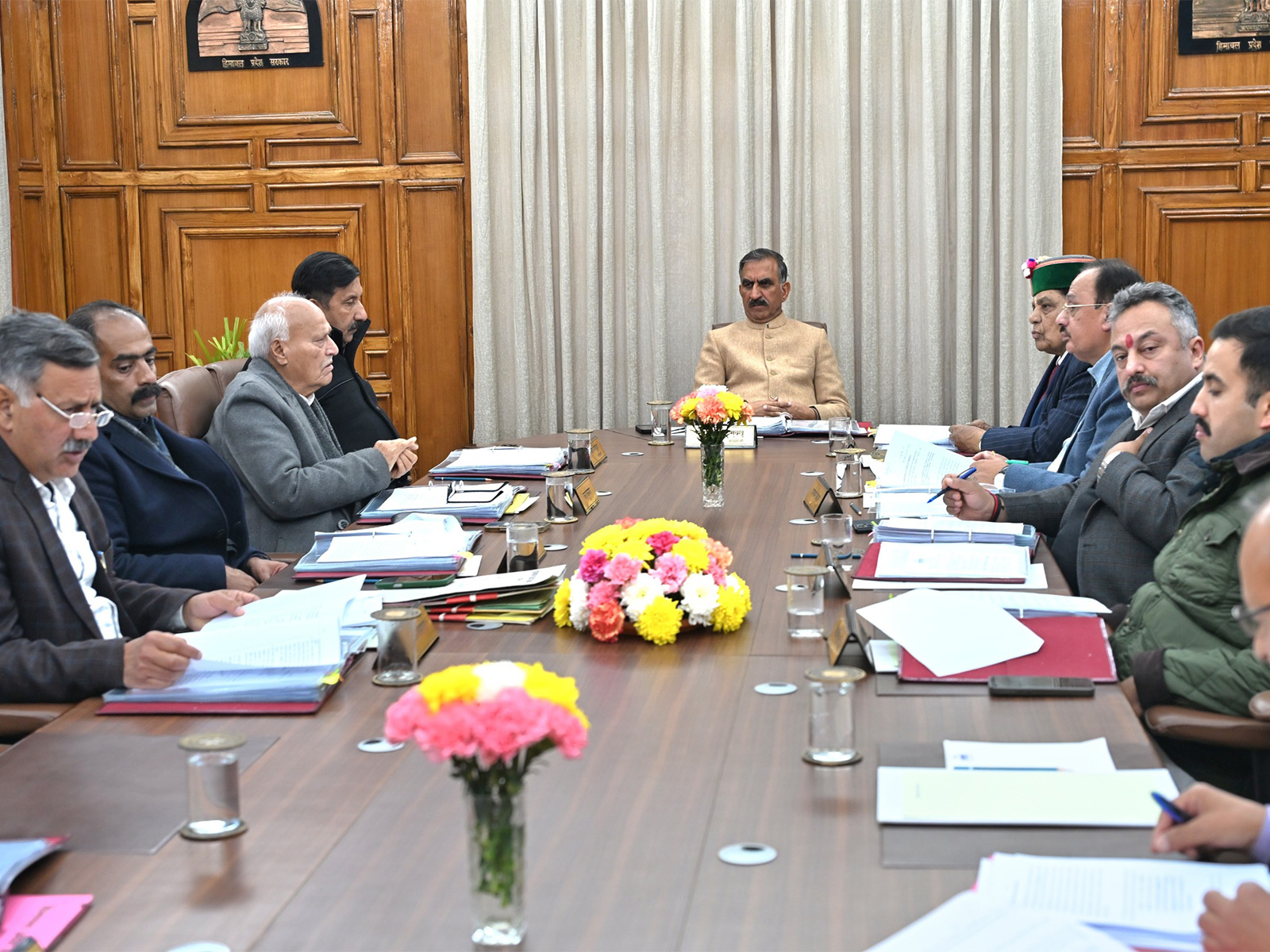
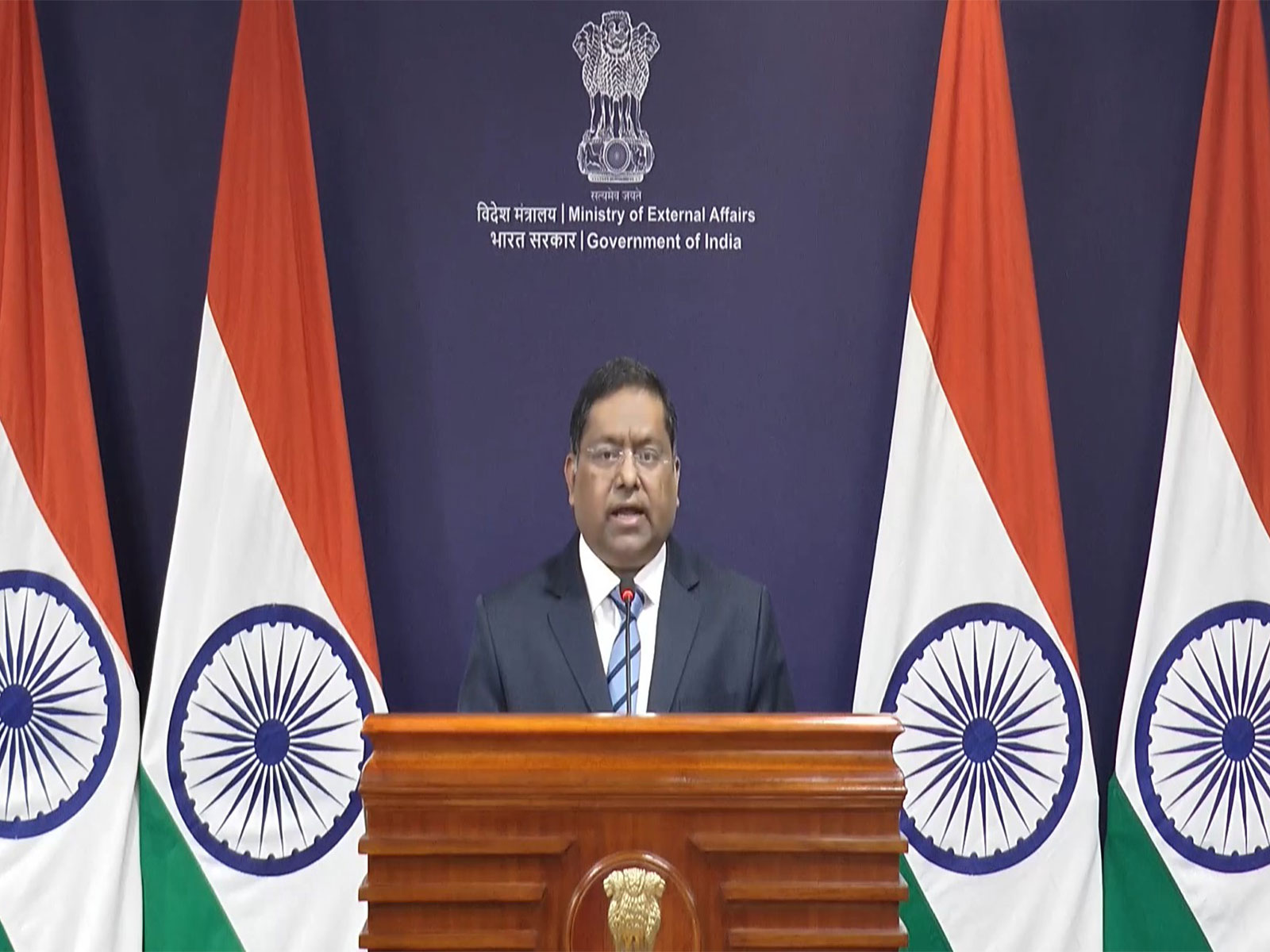
New Delhi [India], February 12 : Union Minister of Communications and Development of the Northeastern Region, Jyotiraditya Scindia, informed the Parliament that risk-based interventions and the Digital Intelligence Platform (DIP) prevented potential financial frauds amounting to over Rs 1,400 crore.
In a written reply in the Rajya Sabha on a question regarding the reduction in cyber and telecom frauds, the Minister highlighted the measures undertaken by the Department of Telecommunications (DoT) to secure the telecom ecosystem. He stated that these outcomes followed the implementation of the Financial Fraud Risk Indicator (FRI), a metric that categorises suspicious mobile numbers based on their probability of association with financial crimes.
The Minister reported that the FRI empowered stakeholders, including banks and Unified Payments Interface (UPI) service providers, to prioritise enforcement and adopt real-time response protocols. "Financial institutions have reported that based on transaction decline and alerts or notifications given to citizens, potential frauds amounting to over Rs 1,400 crore have been prevented utilising FRI," the Minister stated.
Since its launch in May 2025, the indicator allowed for enhanced due diligence and transaction delays for flagged mobile numbers, effectively mitigating risks associated with medium, high, and very high-risk categories.
According to the Ministry of Communications, the DoT developed the DIP as a "secure online platform, for bidirectional information sharing with stakeholders for prevention of misuse of telecom resources in cybercrimes and financial frauds."
More than 1,200 organisations joined the platform, including central security agencies, police departments from 36 states and union territories, the Indian Cyber Crime Coordination Centre (I4C), and various payment system operators.
This collaborative framework enabled the analysis of mobile numbers suspected of being misused in fraudulent activities across the country.
The Ministry further detailed the impact of the Artificial Intelligence and big data analytics tool known as ASTR. This system identified suspicious mobile connections, which were subsequently shared with Telecom Service Providers (TSPs) through the DIP.
"More than 88 lakh such mobile connections have been disconnected after failing reverification," the Minister noted in his reply. Additionally, the International Incoming Spoofed Calls Prevention System (CIOR) significantly reduced the volume of fraudulent calls.
Since its commissioning on October 17, 2024, the system blocked 1.35 crore calls within a 24-hour period, leading to a nearly 99 per cent reduction in spoofed calls displaying Indian mobile numbers.
Citizen participation through the Sanchar Saathi portal also contributed to the crackdown on illegal activities. Based on 7.93 lakh reports of suspected fraudulent communication shared by the public, authorities disconnected 39.53 lakh mobile connections.
The DoT maintained a continuous feedback loop by sharing a mobile number revocation list and FRI data with stakeholders, who in turn provided action taken reports. This bidirectional flow of information ensured that disconnected numbers and the reasons for their removal were documented, allowing for real-time responses to evolving telecom threats.