Rupee breaches 91-Mark amid foreign outflows, Experts say volatility to continue till January
Dec 16, 2025
By Nikhil Dedha
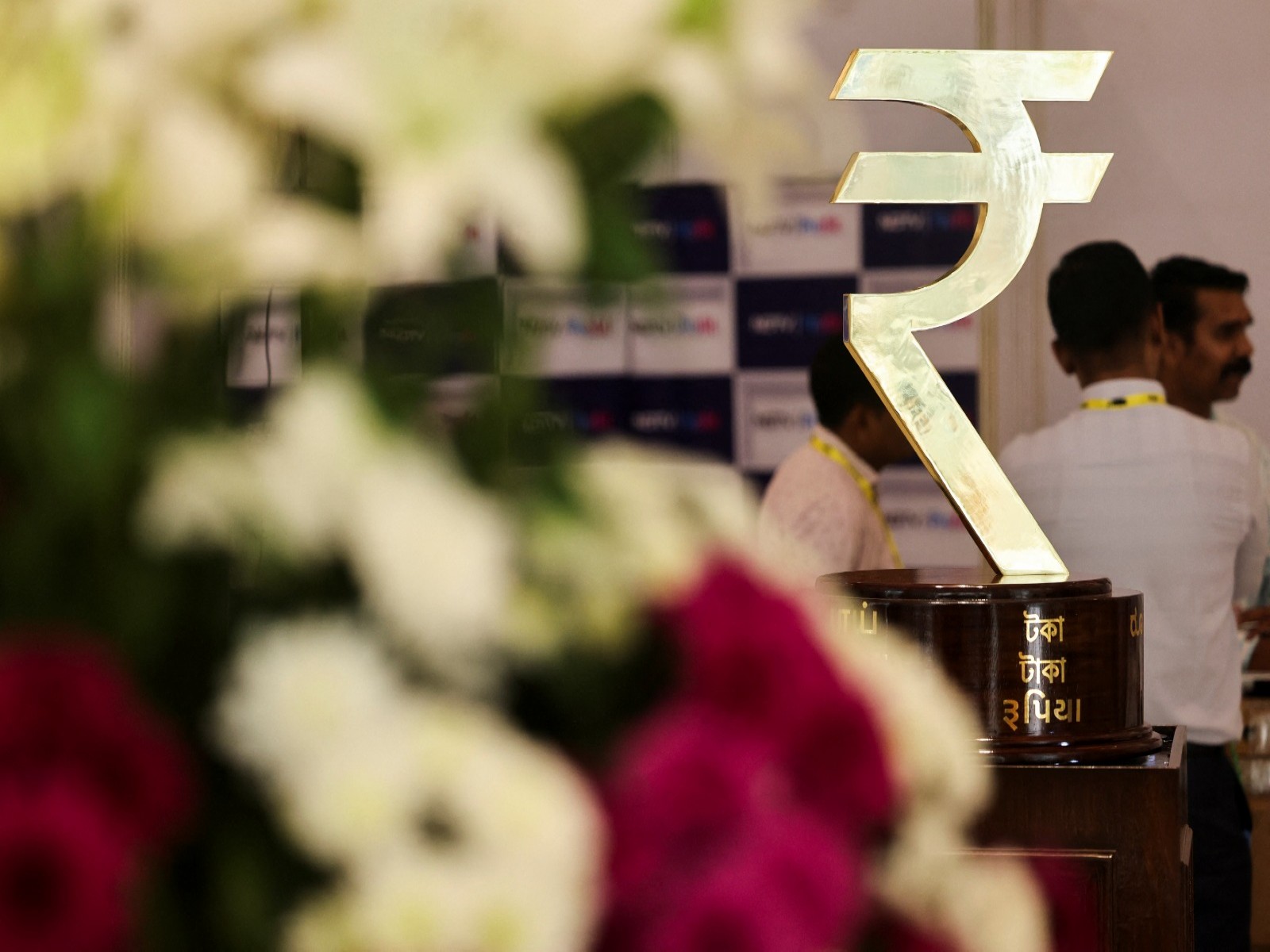
New Delhi [India], December 16 : The Indian rupee touched a historic low on Tuesday, breaching the 91-mark against the US dollar for the first time. The sharp fall highlights growing pressure on the domestic currency amid continued foreign fund outflows and weak capital inflows.
Market experts said the rupee has entered an unfamiliar zone, making it difficult to predict how much further it could weaken in the near term. The fall comes at a time when global uncertainty remains high and year-end trading volumes are low, which is adding to market volatility.
K N Dey, a currency expert, told ANI, "Rupee has moved in an unchartered area very difficult to say how far will it go. With Year end approaching markets will be thin but the volatility could be high as we saw today. Even if there is a revision of U.S tariff I feel it may not bring any major relief to the Rupee. We will have to wait till the mid of January for new inflows to come in".
He further said that fresh inflows may only come after the middle of January, which means pressure on the rupee could continue for some time.
Kishore Narne, Director and Head of Commodity at Motilal Oswal Financial Services, told ANI that a weaker currency comes with clear trade-offs.
He said, "A weaker rupee has clear trade-offs: it raises imported inflation, especially through energy and commodities widens the current account deficit (CAD), and increases the cost of servicing dollar debt. At the same time, it provides some relief to exporters, helping them absorb tariff and global demand pressures".
Ajay Bagga, Banking and Market Expert, told ANI that continued net outflows by foreign portfolio investors, low foreign direct investment flows, and the lack of progress on the US trade deal are the main reasons behind the rupee's fall.
He stated, "Continued FPI net outflows, low FDI flows, and the impact of the lack of progress on the US trade deal are the main contributors to the fall in the Rupee. The RBI has been largely on the sidelines even as the Rupee has fallen the weaker US dollar. In contrast, currencies like the Thai Baht are up 8 per cent this year, despite all the political turmoil and economic weakness in Thailand. India, despite the strong domestic consumption, strong macro and large FX reserves, has seen the worst performing currency in Asia in CY2025".
In contrast, he said India, despite strong domestic consumption, stable macroeconomic conditions and large foreign exchange reserves, has seen the worst-performing currency in Asia in calendar year 2025.
Overall, experts believe that the combination of foreign outflows, weak inflows, uncertainty around the US trade deal and limited central bank intervention has pushed the rupee to a record low.
While exporters may see some benefit, the sharp fall in the currency has raised concerns about inflation, external balances and market stability in the near term.