Sambhali Trust highlights India's grassroots approach to human rights at UNHRC
Mar 27, 2026
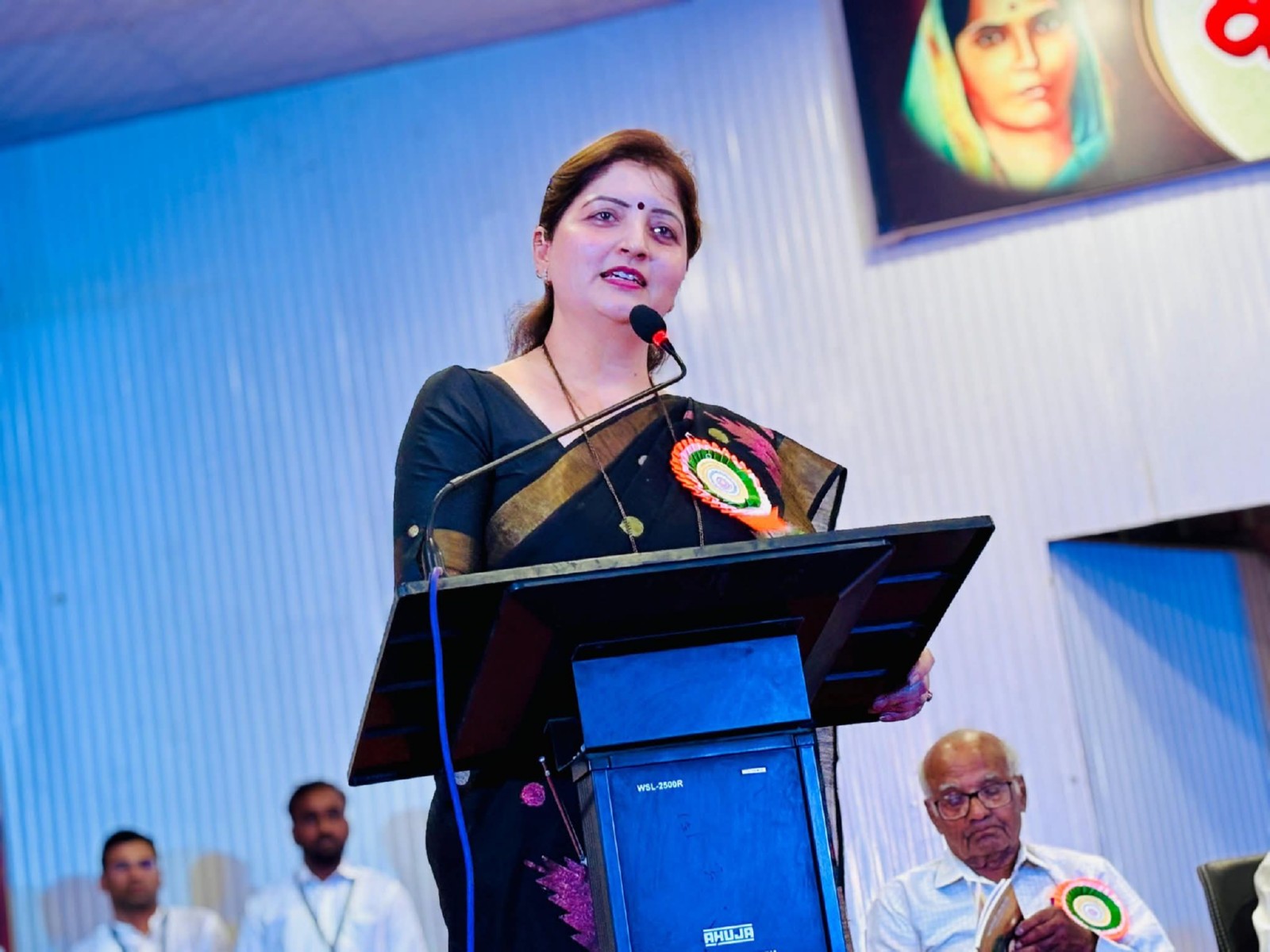
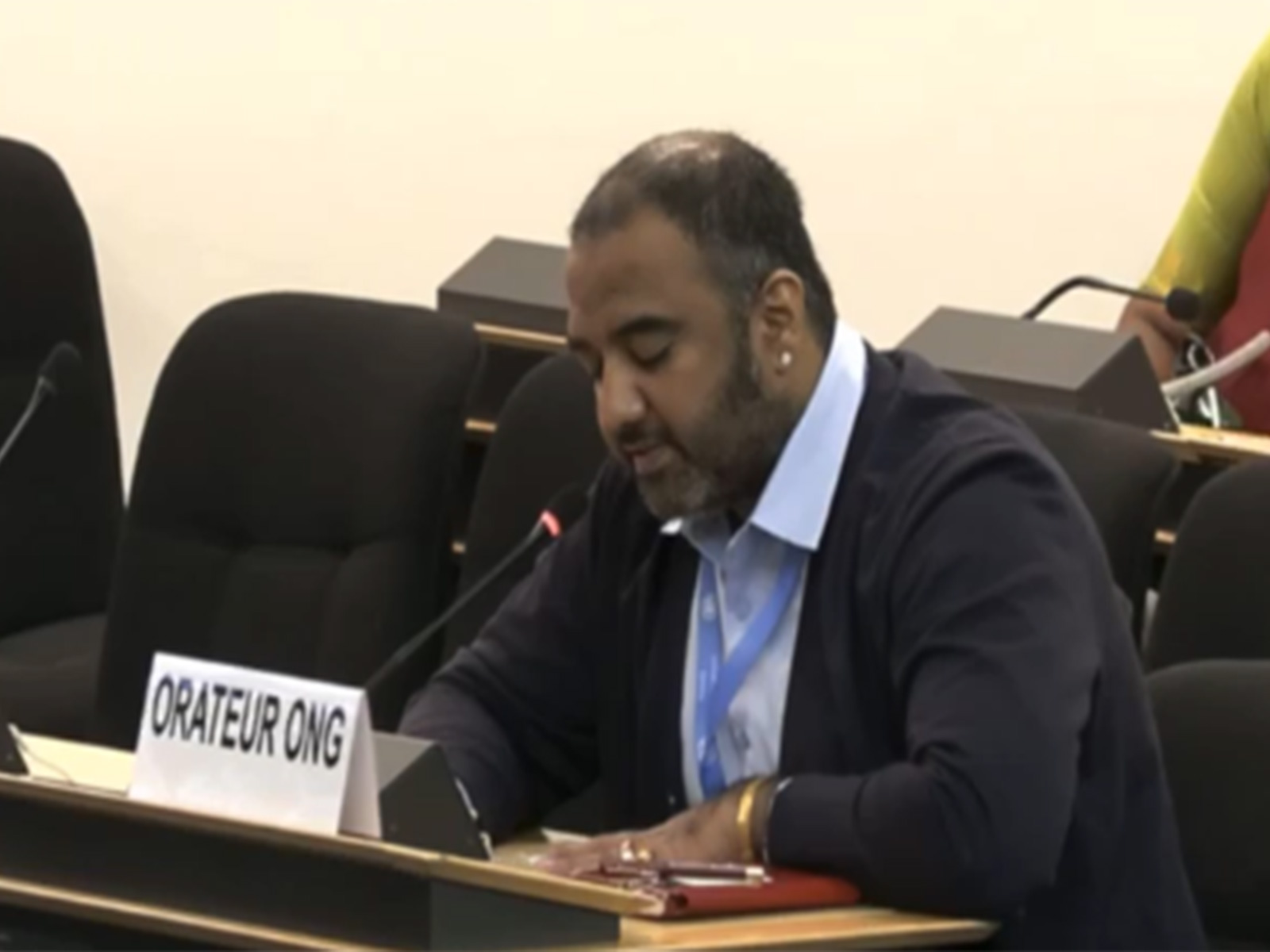
Geneva [Switzerland], March 28 : During the 61st session of the United Nations Human Rights Council (UNHRC), Sambhali Trust founder Govind Singh Rathore highlighted the progress of India's human rights landscape. In his presentation, Rathore detailed the nation's shifting strategy, which prioritises institutional fortification alongside impactful, grassroots interventions to drive social change.
Addressing the Council, Rathore emphasised that human rights commitments must extend beyond legal frameworks and translate into real impact for communities. He highlighted the importance of technical support and capacity-building in ensuring this transition. According to him, empowering institutions, frontline workers, and local communities with the right tools, training, and knowledge is essential for achieving sustainable human rights outcomes.
He pointed to several flagship initiatives that reflect India's progress in this direction. The Digital India programme, he noted, has significantly expanded access to digital infrastructure, connecting over 700 million people and improving the delivery of essential services. This expansion has played a key role in bridging gaps in access and inclusion across the country.
Rathore also highlighted the impact of the Aspirational Districts Programme, which focuses on improving governance and development indicators in 112 of India's most underdeveloped districts. He stated that the initiative has led to measurable progress in sectors such as health, education, and infrastructure, demonstrating the effectiveness of targeted interventions.
Bringing attention to grassroots efforts, Rathore shared insights from Sambhali Trust's work in Jodhpur. He explained how initiatives focused on women's empowerment, girls' education, and community leadership have driven meaningful and lasting change at the local level. These efforts, he said, illustrate how capacity-building at the grassroots level can foster inclusive and sustainable development.
Concluding his remarks, Rathore stated that combining national policies with community-led initiatives is key to ensuring that human rights are not merely theoretical commitments but lived realities.
Sambhali Trust has been working for over 17 years to support women, children, and gender minorities through a range of initiatives focused on education, vocational training, and social inclusion.
The organisation is accredited with the United Nations Economic and Social Council, further strengthening its engagement in global dialogues on human rights and sustainable development.