Sambhali Trust highlights minority women's empowerment at UNHRC
Mar 18, 2026
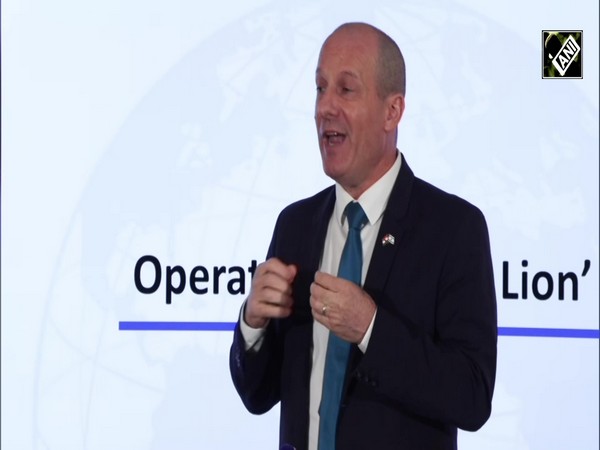
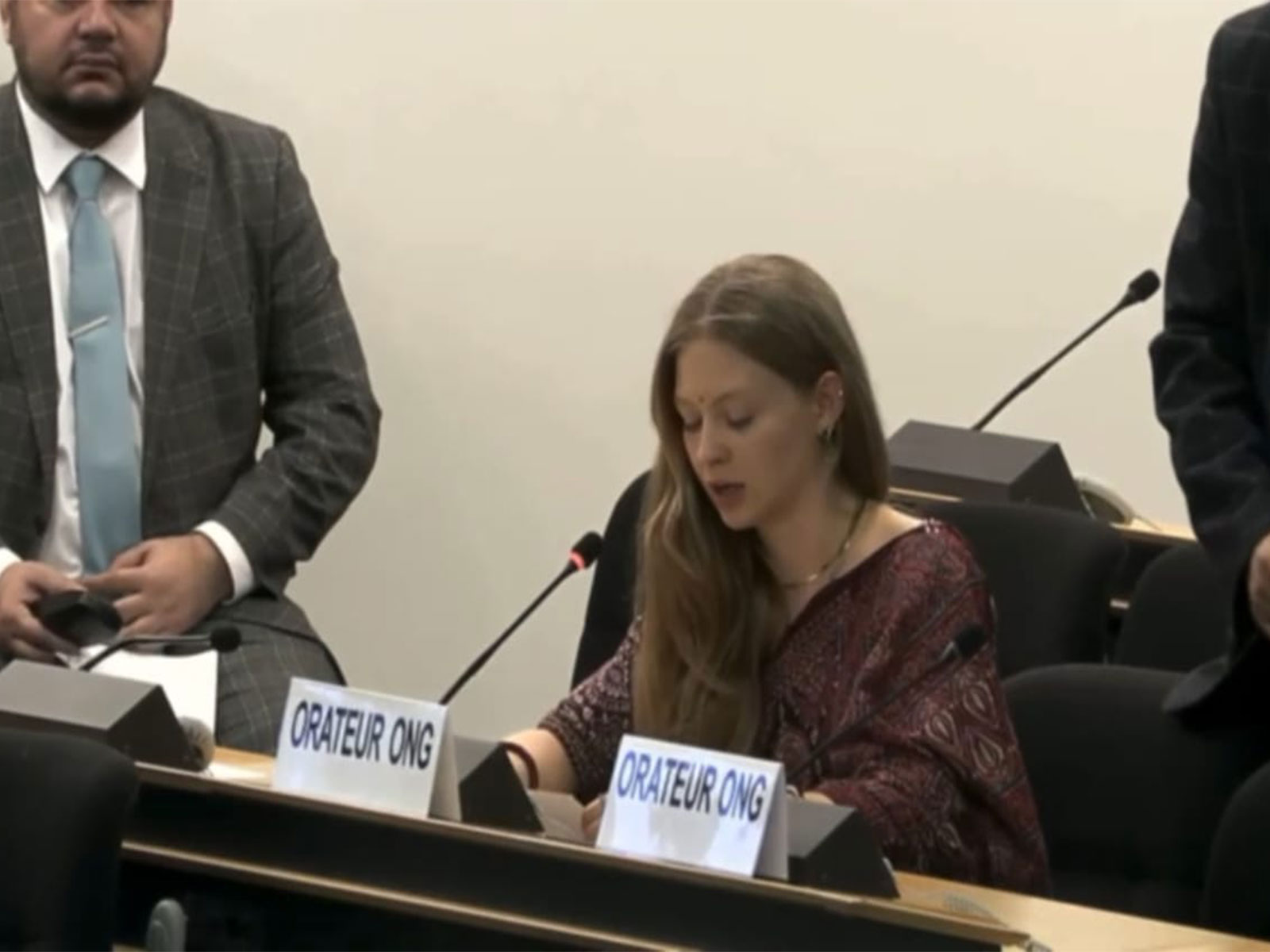
Geneva [Switzerland], March 18 : Tasha Mauricette Stoppler from the Sambhali Trust, in her oral statement during the Special Rapporteur on minority issues at the 61st session of the United Nations Human Rights Council (UNHRC), highlighted the urgent need to safeguard minority rights, stating that equality, social cohesion, and sustainable peace remain unattainable without inclusive protections for vulnerable communities.
Stoppler highlighted that minorities across the world continue to face systemic discrimination in access to education, livelihoods, housing, and justice.
These inequalities, she noted, leave them disproportionately exposed to marginalisation, exclusion, and violence.
Drawing from grassroots experience in Rajasthan, Stoppler shared insights from Sambhali Trust's work with women and girls belonging to marginalised and minority communities.
She emphasised that the organisation witnesses daily how structural barriers shape lives and limit opportunities.
Through interventions such as education programmes, psychosocial support, safe shelters, and livelihood centres, Sambhali Trust seeks to rebuild confidence and restore dignity among these women.
"Minority women are not passive recipients of welfare," Stoppler asserted, adding that when provided equitable opportunities and supportive spaces, they emerge as powerful agents of resilience, cultural strength, and social transformation.
She also highlighted India's diverse social fabric, noting that the country officially recognises six minority communities.
Constitutional safeguards guarantee equality and protection against discrimination, while targeted initiatives like the Pradhan Mantri Jan Vikas Karyakram have facilitated development in over 1,300 minority-concentrated areas, particularly in sectors such as education, healthcare, and skill development.
However, Stoppler cautioned that policy frameworks alone are not sufficient.
She called on governments, particularly at the state level, to ensure meaningful participation of minority communities in decision-making processes that directly impact their lives.
Stoppler urged the international community to prioritise inclusive approaches that empower minority women, arguing that their participation is central to building equitable societies and achieving long-term peace and development.