Sanjay Raut demands clarity on India's role amid US-Israel-Iran conflict, says 'war has reached a dangerous turning point
Mar 23, 2026
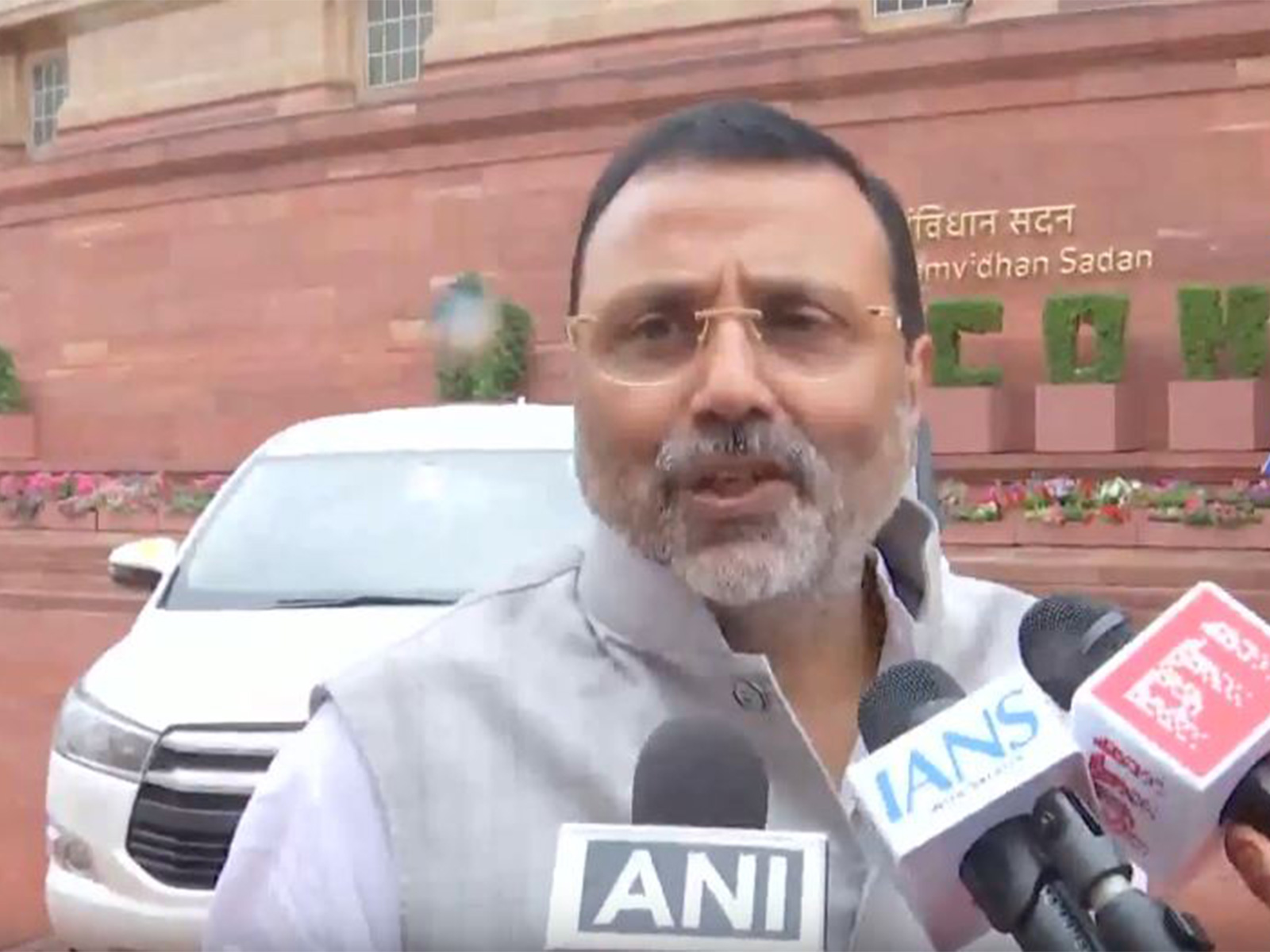
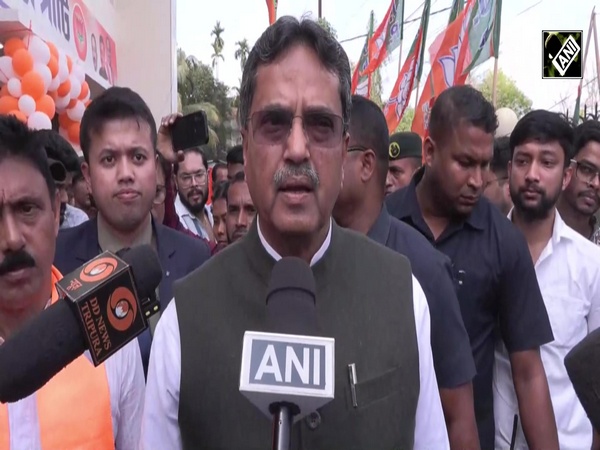
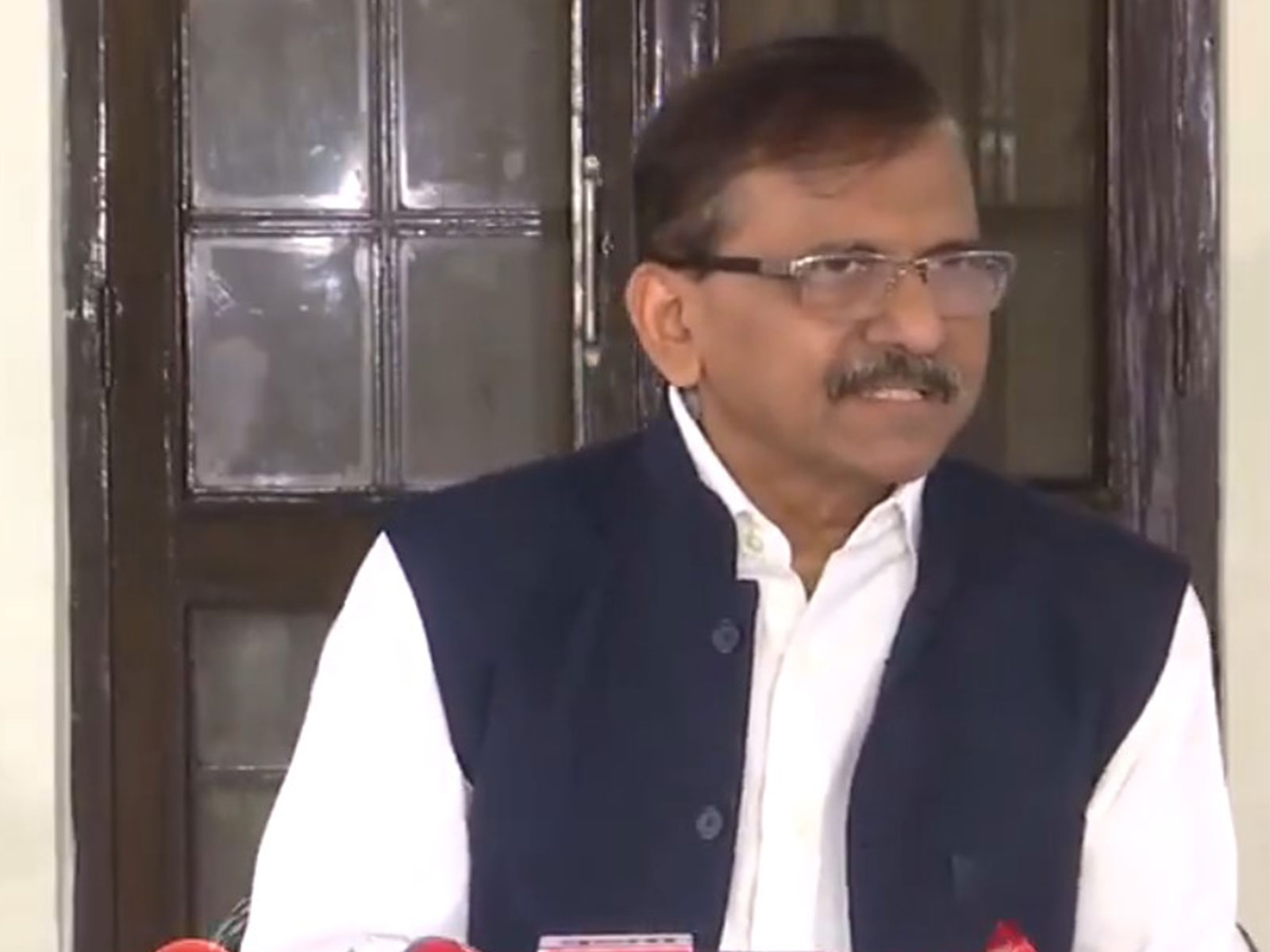
New Delhi [India], March 23 : Shiv Sena (UBT) MP Sanjay Raut on Monday criticised the Centre's silence on the escalating US-Israel versus Iran conflict, terming it a "very dangerous turning point" while demanding clarity on India's role in the crisis.
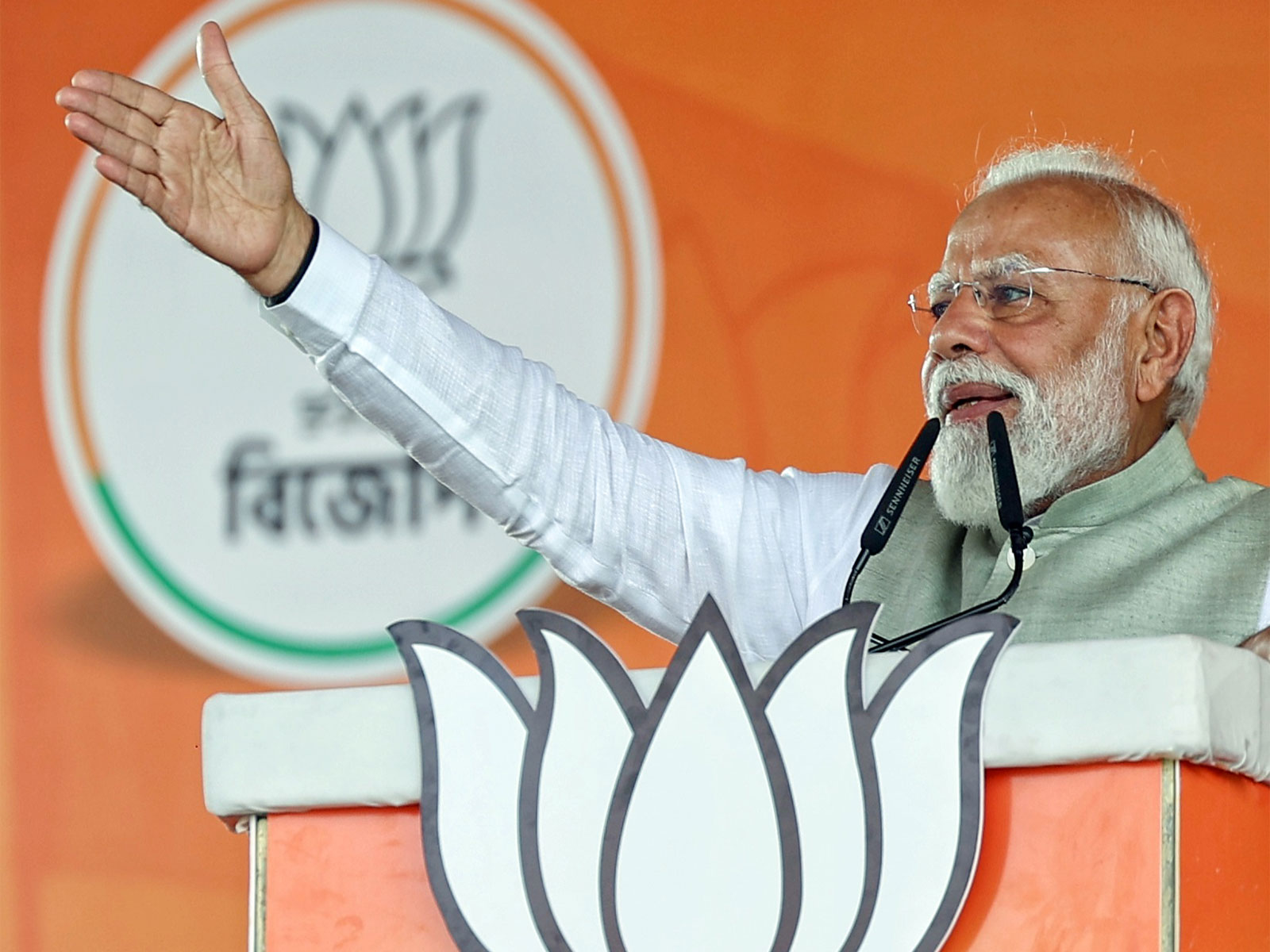
While addressing a press conference here, Raut said, "No one can say what India's role is. This war (the US-Israel versus Iran conflict) has reached a very dangerous turning point. India is a country of 1.4 billion people, but to date, Prime Minister Modi has not expressed his opinion on this war. What is the fear? They should tell us what our role is and what we are going to do next." 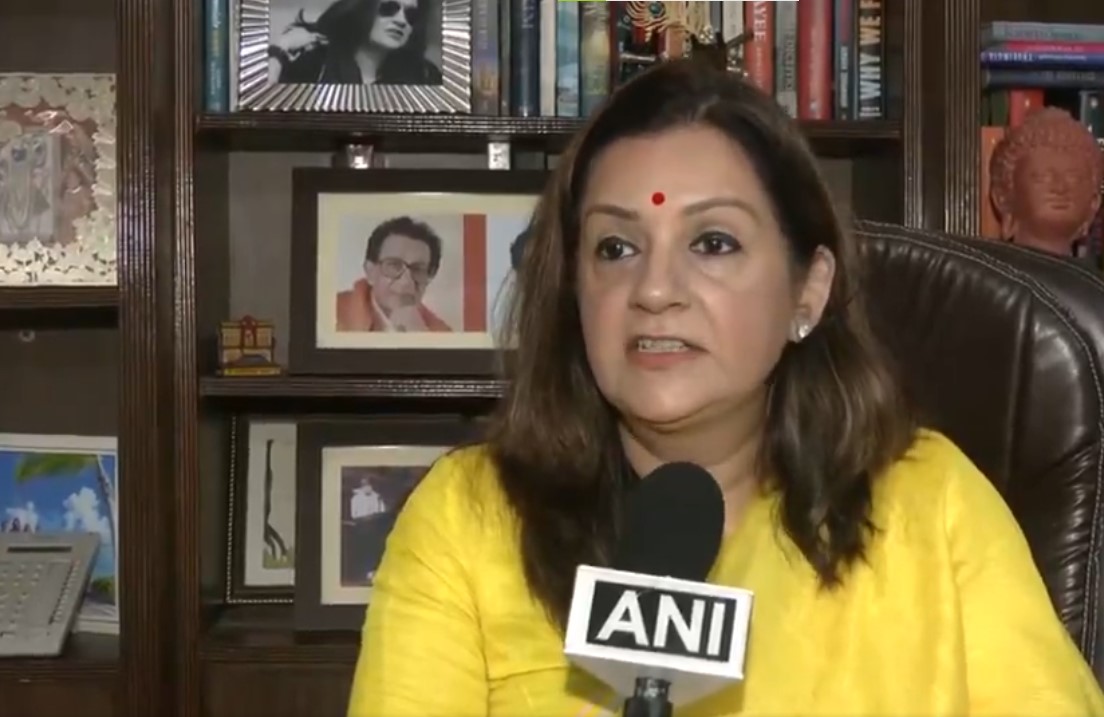
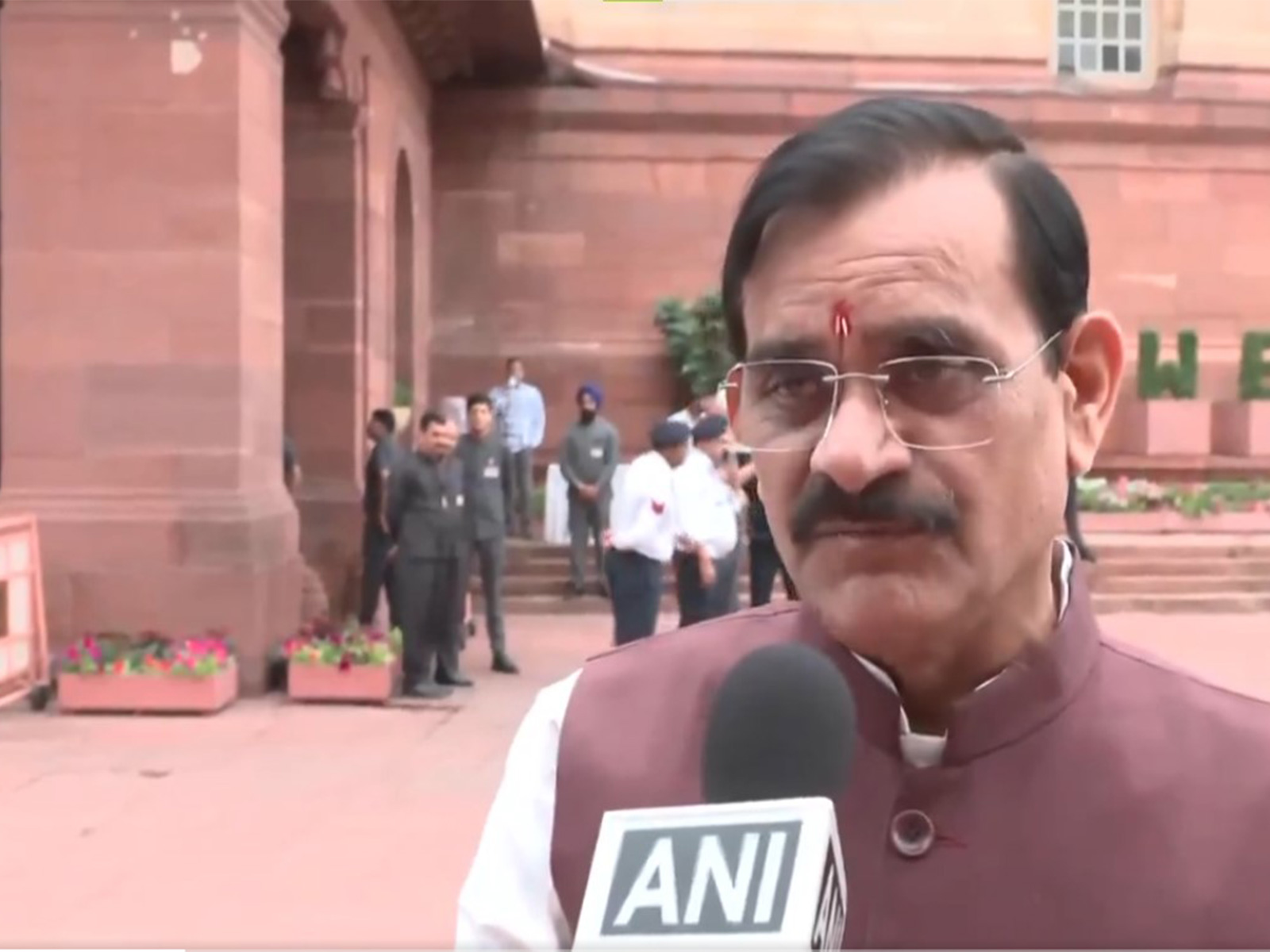
Shiv Sena (UBT) MP Priyanka Chaturvedi also highlighted the conflict's direct impact on India's public.
"The direct impact on the public--it's absolutely serious. The public is being affected. There are shortages, whether it's of LPG or everything else. For example, if you go to restaurants, they're open, but more than half the items are missing because of a shortage of LPG. It's been a third week, and there haven't been any peace initiatives from any country. So, it's a good thing, a good initiative, that the Prime Minister has called all the ministers together and discussed how we can do this," the UBT Sena MP told ANI.
"We see that the Prime Minister is constantly in touch with Iran, Israel, the US, and all the other Middle East nations, so this is very important. We have to tell them all that this isn't just impacting India; it's impacting the entire world. There are select countries that are launching attacks, and because of this, the entire country and the world are suffering," Chaturvedi added.
Meanwhile, the Prime Minister's Office, the Cabinet Secretary, gave a detailed presentation on the global situation and the mitigating measures taken so far and being planned regarding the conflict by all concerned Ministries/Departments of the Government of India.
The expected impact and measures taken to address it across sectors like agriculture, fertilisers, food security, petroleum, power, MSMEs, exporters, shipping, trade, finance, supply chains and all affected sectors were discussed. The overall macro-economic scenario in the country and further measures to be taken were also discussed.
The ongoing conflict in West Asia will have significant short, medium and long term impact on the global economy and its effect on India was assessed, and counter-measures, both immediate and long-term, were discussed.
A detailed assessment of availability for critical needs of the common man, including food, energy and fuel security, was made. Short term, medium-term and long-term measures to ensure the continued availability of essential needs were discussed in detail.
The impact on farmers and their requirement for fertiliser for the Kharif season was assessed. The measures taken in the last few years to maintain adequate stocks of fertilisers will ensure timely availability and food security. Alternate sources of fertilisers were also discussed to ensure continued availability in the future.
It was also determined that an adequate supply of coal stocks at all power plants will ensure no shortage of electricity in India.
Several measures were discussed to diversify sources of imports required by chemicals, pharmaceuticals, petrochemicals and other industrial sectors. Similarly, new export destinations to promote Indian goods will be developed in the near future.
PM said that the conflict is an evolving situation and the entire world is affected in some form. In such a situation, all efforts must be made to safeguard the citizens from the impact of this conflict. PM instructed that all arms of government should work together to ensure the least inconvenience to the citizens.
PM Modi also asked for proper coordination with state governments to ensure no black-marketing and hoarding of important commodities.