Saudi Arabia condemns "repeated targeting" of diplomatic premises as "clear violation" of international law
Mar 10, 2026
Riyadh [Saudi Arabia], March 10 : Saudi Arabia has issued a strong condemnation following an assault on the United Arab Emirates' Consulate General located in the autonomous Kurdish region of Iraq.
The Saudi Ministry of Foreign Affairs expressed its firm disapproval of the strike, characterising the "repeated targeting" of diplomatic premises as a "clear violation" of international law.
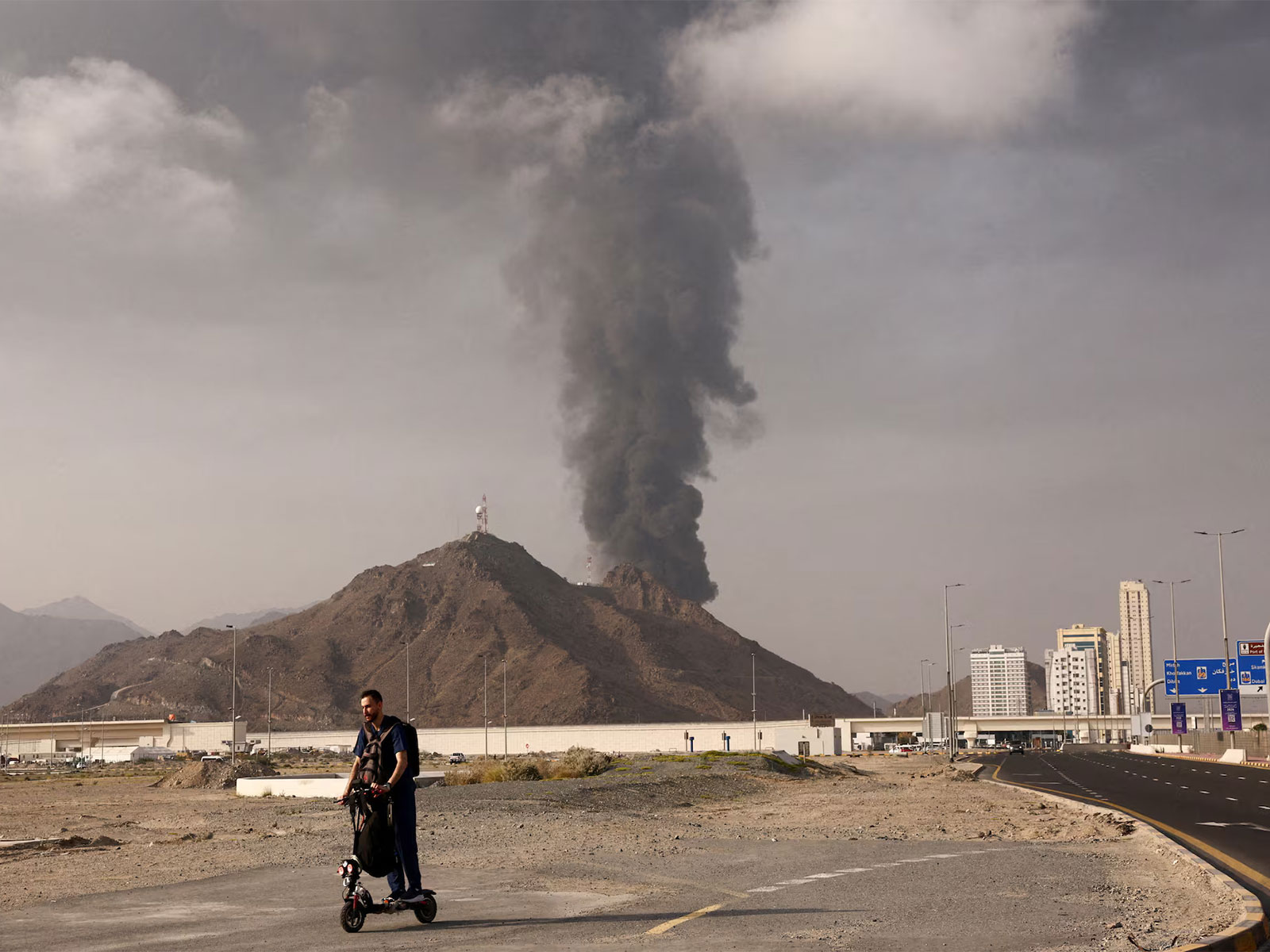
The strike on the diplomatic mission occurred early Tuesday, just hours after the Gulf nation voiced its frustration over being targeted "unfairly" in the ongoing Middle East conflict.
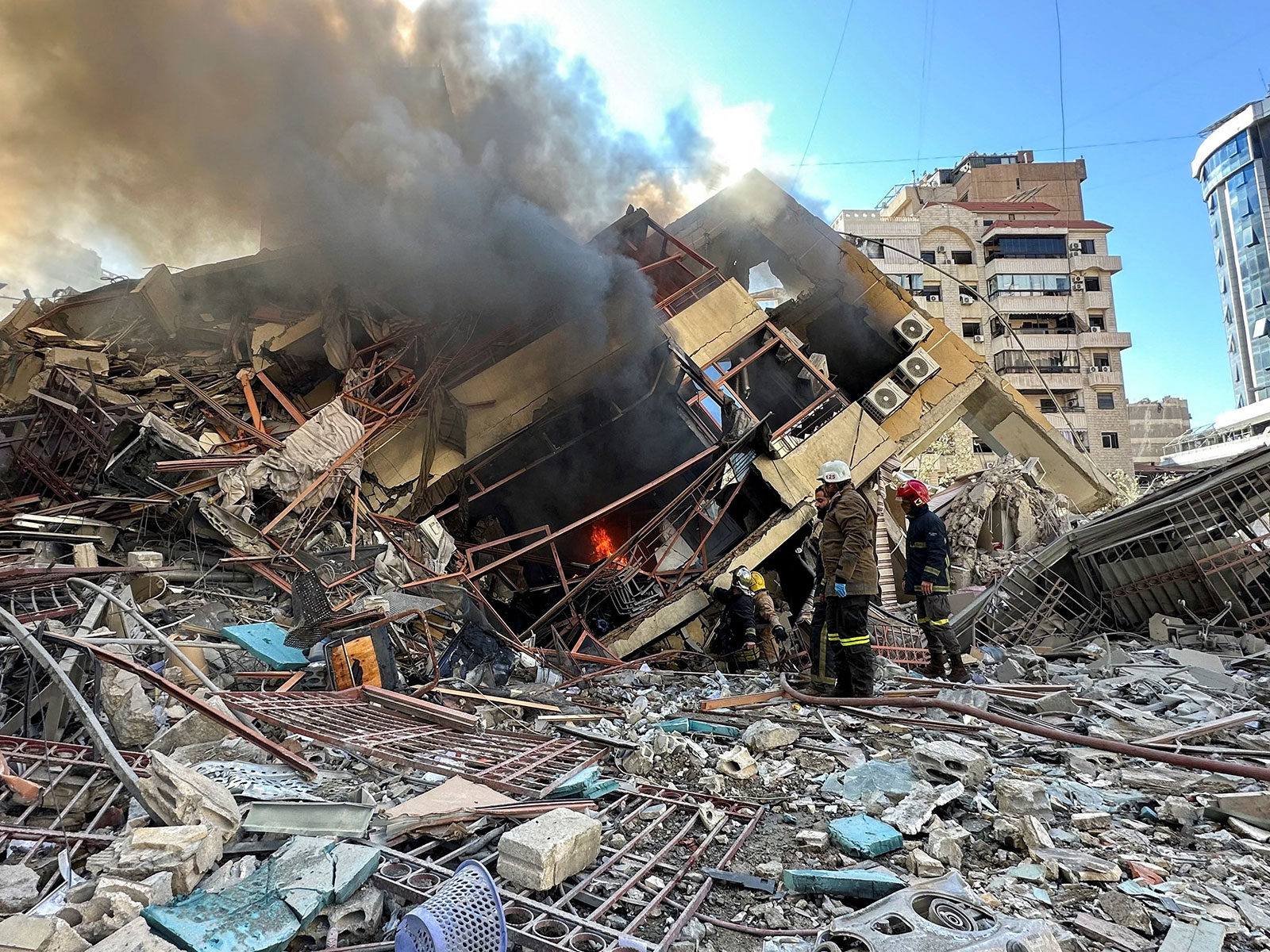
The UAE's consulate in Iraq's Kurdish region sustained structural damage during the aerial assault. According to official reports, there were "no casualties" resulting from the incident.
This attack follows a significant escalation in regional tensions, initially triggered by joint US and Israeli military operations against Iran that commenced on 28 February.
Responding to the strike, the UAE's Ministry of Foreign Affairs stated that the act represented a "dangerous escalation and a threat to regional security and stability." The ministry further emphasised that "targeting diplomatic missions and premises constitutes a flagrant violation of all international norms and laws."
While the UAE has strongly condemned the breach of diplomatic immunity, the foreign ministry did not specify the origin of the drone or identify the party responsible for the launch.
The Tuesday morning strike comes after the UAE had officially complained on Monday that it was being targeted "in a very unwarranted manner." The nation has maintained that it does not wish to be drawn into the hostilities and has not participated in attacks against Iran.
In a move to bolster the Gulf nation's defensive capabilities amidst these rising threats, Australia has announced the deployment of military assets to the UAE. Prime Minister Anthony Albanese confirmed on Monday that Australia would be sending missiles and aircraft to the region as a precautionary measure.
"Our involvement is purely defensive," Albanese told reporters, explaining that the decision was made "in defence of Australians who are in the region as well as in defence of our friends in the United Arab Emirates."
As part of this deployment, Australia will send a Boeing-manufactured E-7A Wedgetail airborne early warning and control system aircraft. The plane is expected to operate for an initial four-week period to monitor and protect the airspace above Gulf nations.
Additionally, the Prime Minister stated that advanced medium-range air-to-air missiles would be supplied to the UAE. This agreement follows a high-level telephone conversation between Albanese and UAE President Mohammed bin Zayed Al Nahyan.
The broader conflict has now surpassed the 10-day mark, but US President Donald Trump indicated on Monday that the military campaign could reach a conclusion in the near future.
"We are putting an end to all of this threat once and for all, and the result will be lower oil prices, oil and gas prices for American families," the US President said.
Later that day, the President further characterised the military operations in Iran as a temporary measure, describing the intervention as a "short-term excursion" intended to address regional threats.
"We took a little excursion [to the Middle East] to get rid of some evil. And, I think you will see it is going to be a short-term excursion," Trump added.