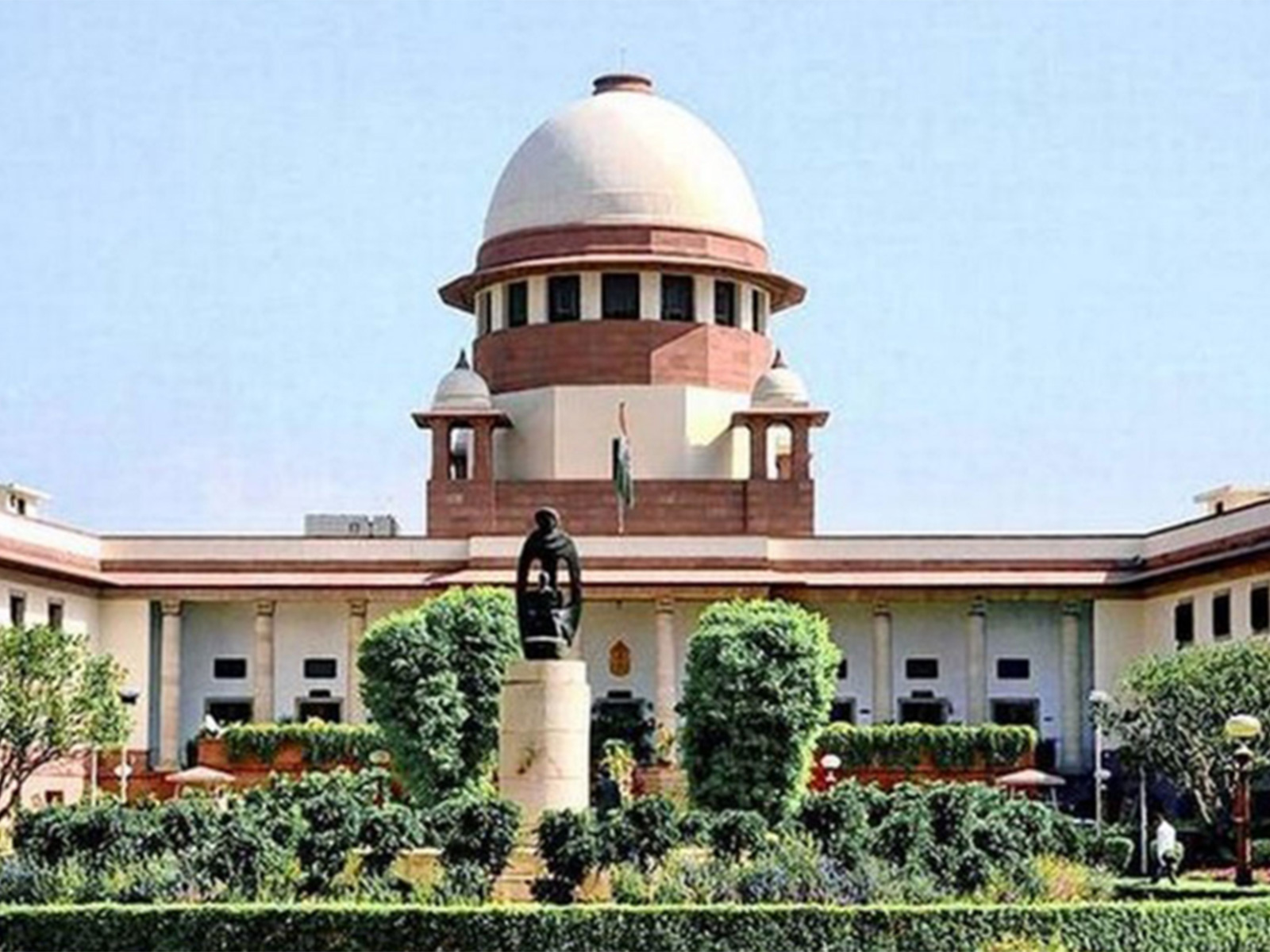
SC notice to Centre, States on PIL seeking time-bound NDPS probes, special courts, confiscation of drug mafia assets
Aug 10, 2026
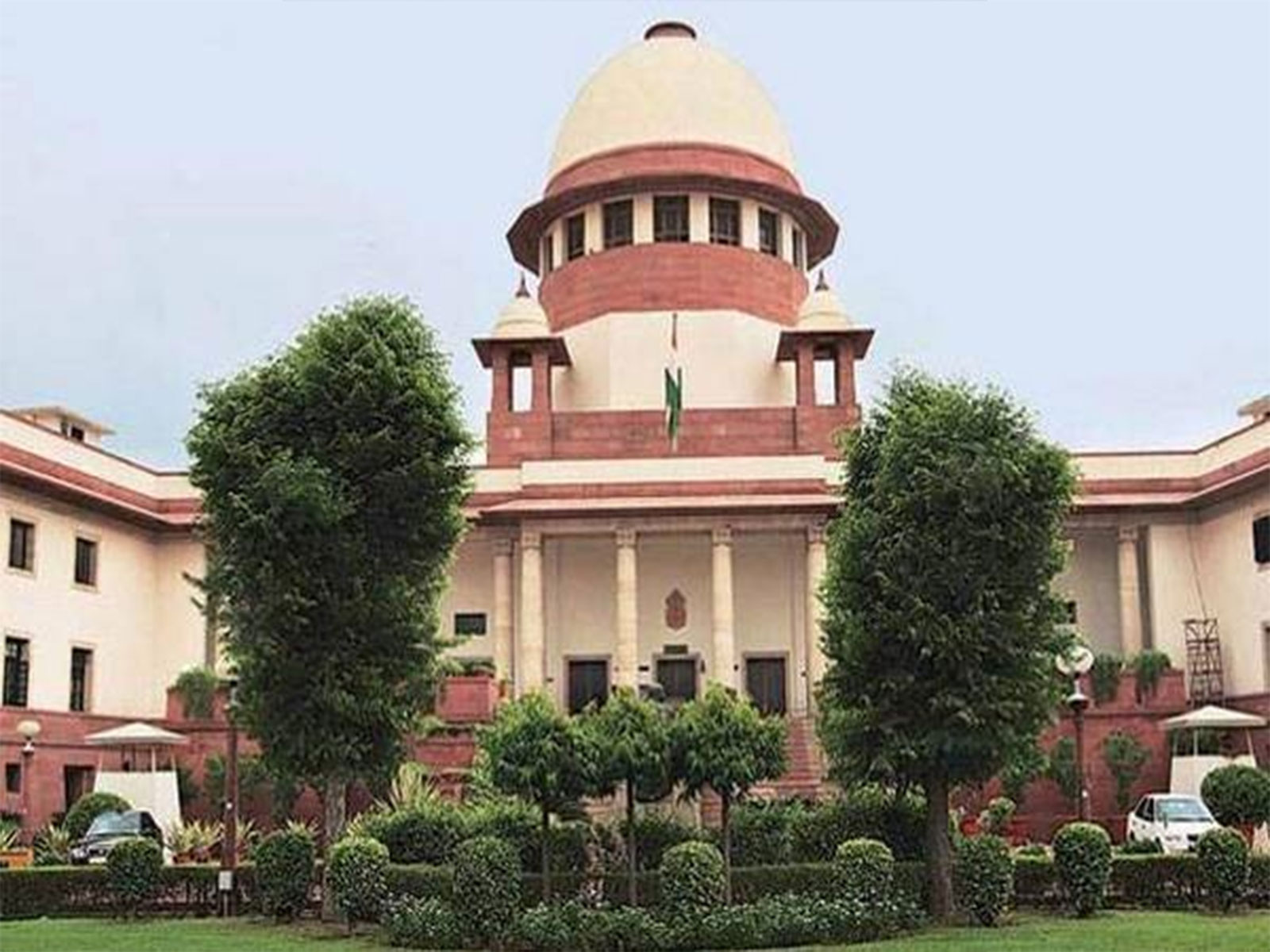
New Delhi [India], August 10 : The Supreme Court on Monday issued notices to the Centre and state governments on a PIL seeking comprehensive reforms to tackle the growing drug menace and dismantle organised drug trafficking networks across the country.
A bench of Chief Justice of India Surya Kant and Justices Joymalya Bagchi and V Mohana said that it is a "very serious matter".
The problem is nationwide, and there is a need for better coordination among the agencies, observed the bench.
Justice Bagchi highlighted the cross-border trafficking of narcotic drugs, particularly from the Golden Crescent region of Asia. "All these things are very relevant. With the international border as India has, you see the Golden Crescent, you see in Burma and in Afghanistan," said Justice Bagchi.
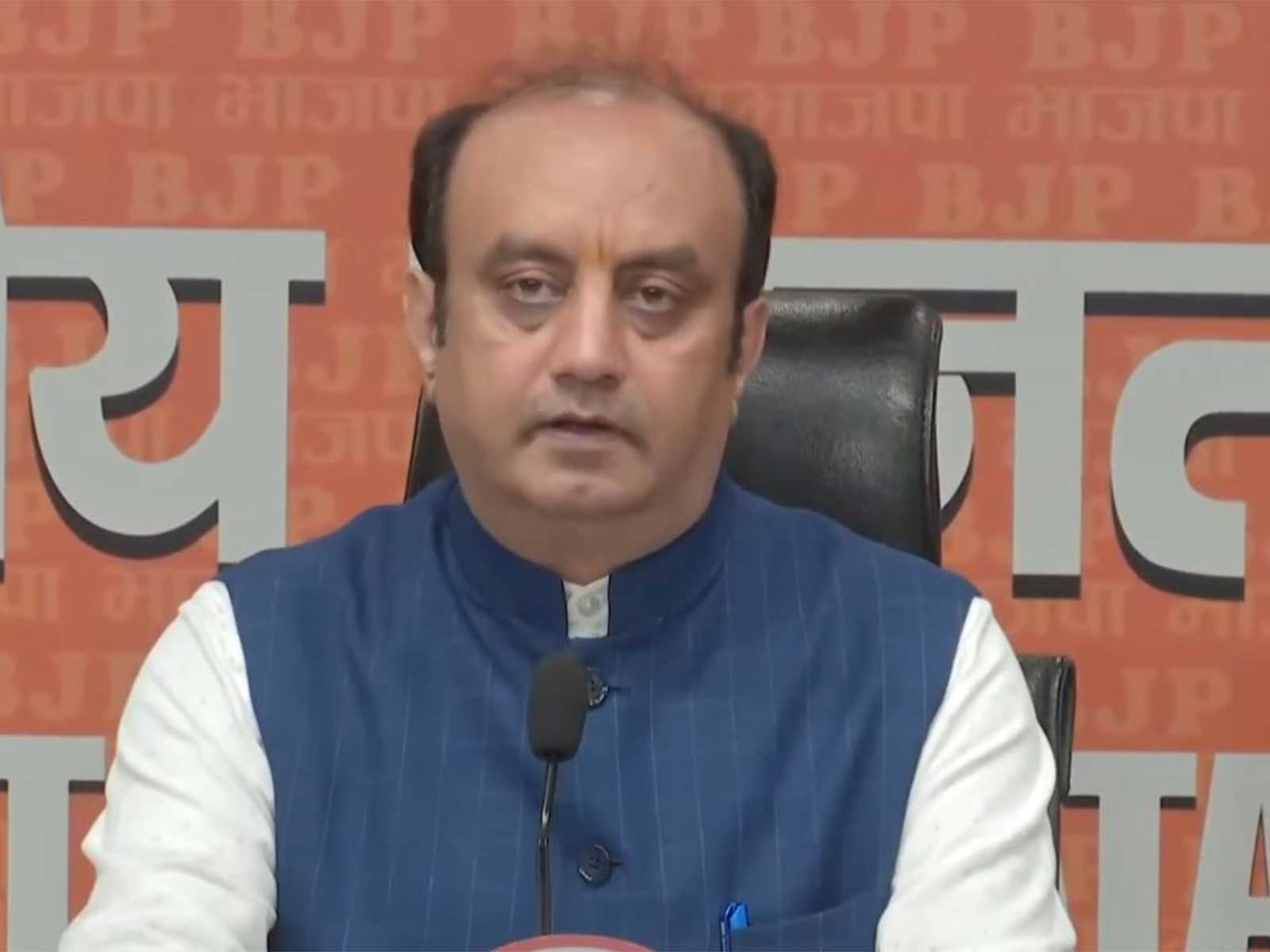
The plea filed by advocate Ashwini Upadhyay sought a slew of directions to strengthen the fight against drug trafficking, including time-bound investigation and trial of narcotics cases, confiscation of properties of traffickers and creation of a uniform investigation protocol across the country.
The petition sought directions to the Centre, States and the Law Commission to strengthen investigation, prosecution and rehabilitation mechanisms under the Narcotic Drugs and Psychotropic Substances (NDPS) Act.
The petition urged the apex court to direct the Centre and State governments to prescribe mandatory timelines for submission of Forensic Science Laboratory (FSL) reports in all NDPS cases and frame Standard Operating Procedures (SOPs) for search, seizure and sampling.
It also sought constitution of Special Courts under Sections 36 and 36A of the NDPS Act to ensure time-bound investigation and speedy trial.
Among its key prayers, the PIL sought directions to establish an expert committee for identification and timely scheduling of New Psychoactive Substances (NPS), implement mandatory digital recording and videography of search, seizure and sampling proceedings, and create rehabilitation and wellness centres under Sections 39 and 64A of the NDPS Act for treatment of addicts.
The petitioner further sought a graded sentencing policy prescribing stricter punishment for traffickers, financiers and organised drug syndicates while treating addicts and personal-use offenders differently.
It also urged for the time-bound assessment and confiscation of properties of traffickers, financiers and their family members under the NDPS Act, the Prevention of Money Laundering Act (PMLA), the Benami Property Act, the Prevention of Corruption Act and the Black Money Act.
Additionally, the PIL requested the top court to direct the Law Commission to prepare a comprehensive report on the issue and declare that sentences in NDPS cases should run consecutively rather than concurrently.
According to the petition, drug trafficking has nationwide consequences, affecting public health, destroying families, fuelling organised crime and terror financing, and leading to addiction-related deaths.
It claimed there is no uniform investigation protocol, no statutory timeline for forensic examination, no effective mechanism for tracing and confiscating proceeds of drug trafficking, and inadequate implementation of rehabilitation measures despite provisions in the NDPS Act.
The PIL cited instances including the death of five sons of a woman in Punjab due to drug addiction, alleged drug-related crimes in several States, and official data showing a sharp increase in drug cases and seizures in 2025.
It further contended that these developments demonstrate the need for stronger institutional mechanisms to effectively enforce the NDPS Act and fulfil the State's constitutional obligations under Articles 14, 21 and 47.
The petitioner argued that the absence of uniform investigation standards, delays in forensic reports, lack of Special Courts and inadequate rehabilitation infrastructure have weakened enforcement of the NDPS Act and undermined the constitutional right to speedy investigation and trial. The plea seeks judicial intervention to introduce a coordinated national framework for investigation, prosecution, sentencing, rehabilitation and monitoring of narcotics offences.