SC questions legal basis, character of charges on commercial UPI transactions as per new regime; seeks Centre’s reply
Sep 28, 2026
New Delhi [India], September 28 : The Supreme Court on Monday questioned the legal basis and character of charges proposed on commercial UPI transactions above Rs 2,000, asking who ultimately receives the payment and whether the amount can be characterised as a fee.
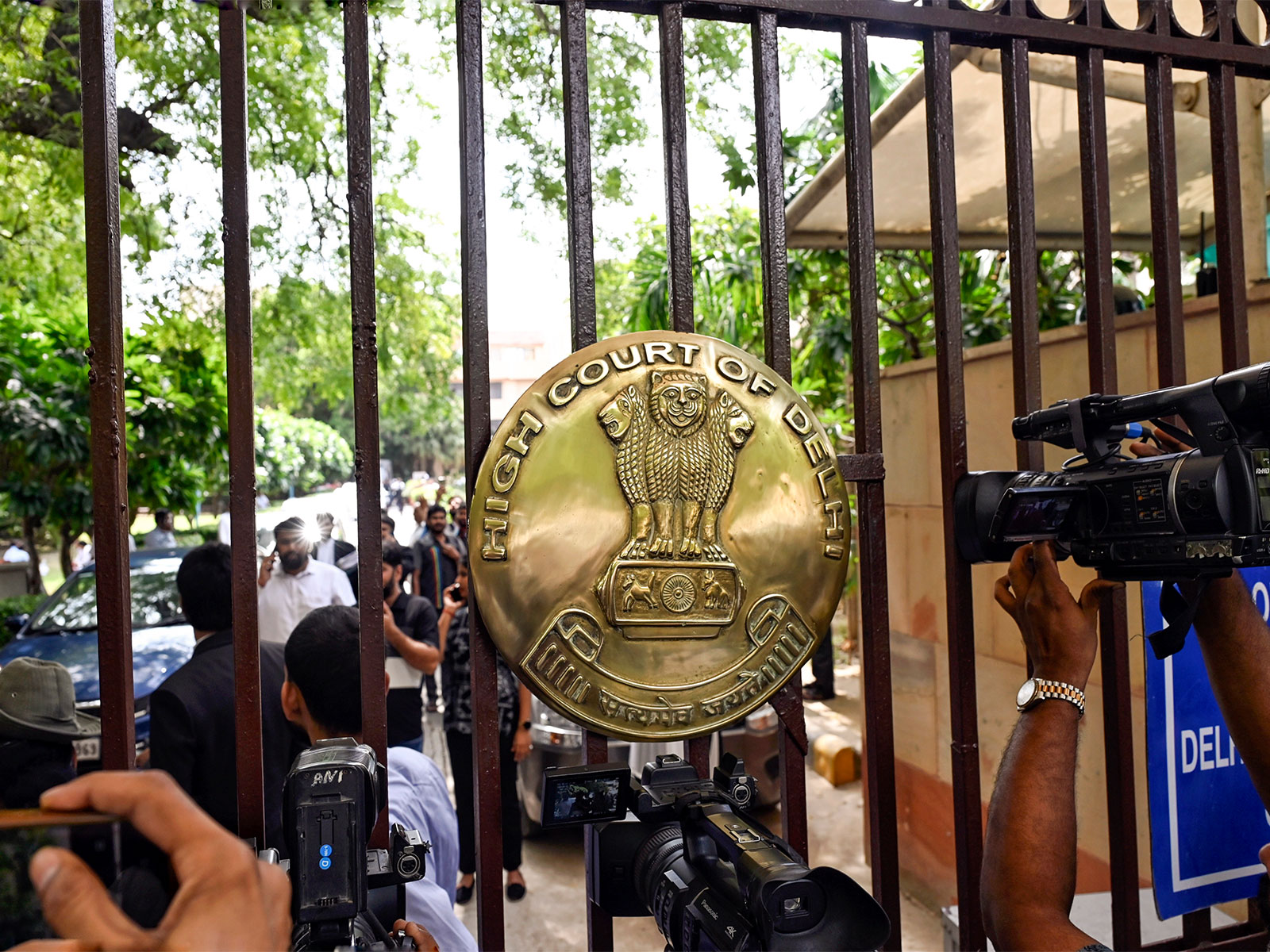
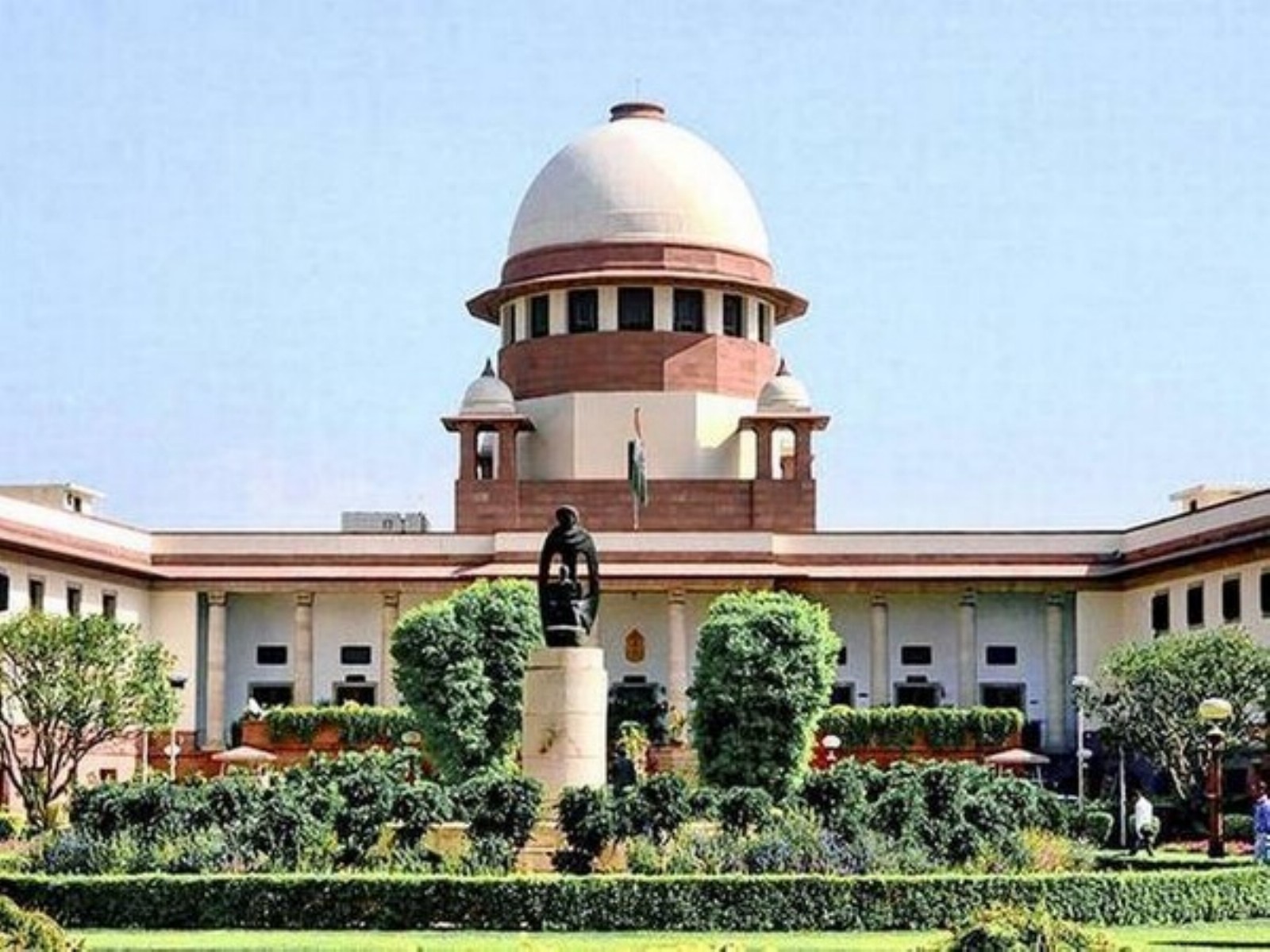
A bench comprising Chief Justice of India (CJI) Surya Kant and Justices Joymalya Bagchi and V Mohana sought responses from the Central government, the Reserve Bank of India (RBI) and the National Payments Corporation of India (NPCI) on a plea challenging the two Gazette notifications that announced the charges and the process for such charges.
Justice Bagchi, during the hearing, questioned the respondents on the nature of the levy and asked, “Who gets the payment? Who gets the fee?”, the judge asked counsel representing the respondent authorities.
The Court also questioned the executive authority behind the levy and asked, “What is the executive scope of making this expropriation? If not a fee, then what is the character of this charge?”, the Court asked.
The questions arose as the Court examined the mechanism through which charges in UPI transactions are collected and the entities to whom the money ultimately accrues.
A counsel appearing for one of the respondent parties in the matter explained the UPI mechanism by comparing it with debit and credit card transactions. He submitted that a UPI transaction requires multiple stakeholders to operate together, including the banks of the payer and recipient and the operators facilitating the payment ecosystem.
“Two banks, a coordinating agency, a payer, a recipient,” counsel submitted while explaining the transaction structure.
He said all the stakeholders have to congregate on a platform for the transaction to be completed and argued that the service charge is essentially a mechanism for sharing the cost of providing that service.
“UPI is no different than Debit-Credit card,” counsel said.
The Court also examined whether the amount collected could be treated as a statutory levy or whether it was a charge arising from the payment service.
The counsel submitted that the amount was not a statutory collection made by the Government of India. He said NPCI merely facilitates the transactions and that no part of the amount is being taken by the Union government.
The Court then examined the issue with reference to provisions of the Income Tax Act and questioned the character of the receipt. It referred to Section 269 and asked in whose hands the amount would constitute an incidence of income.
The Court also referred to Section 269SU, which permits specified electronic modes of payment, and examined the movement of money between entities involved in the transaction.
The Court sought to understand who actually receives the amount generated through the UPI transaction.
Counsel responded that the amount is received by the entities providing the two sides of the payment ecosystem — the aggregator or the banks involved in providing the service.
He maintained that the arrangement was a purely administrative mechanism for facilitating the payment service and stressed that the government was “miles away from this money”.
The Court has now sought an affidavit from the Central government addressing the questions raised during the hearing. Responses have also been sought from the RBI and NPCI on the nature and operation of the charges.
The respondents have been granted four weeks to file their counter-affidavits.