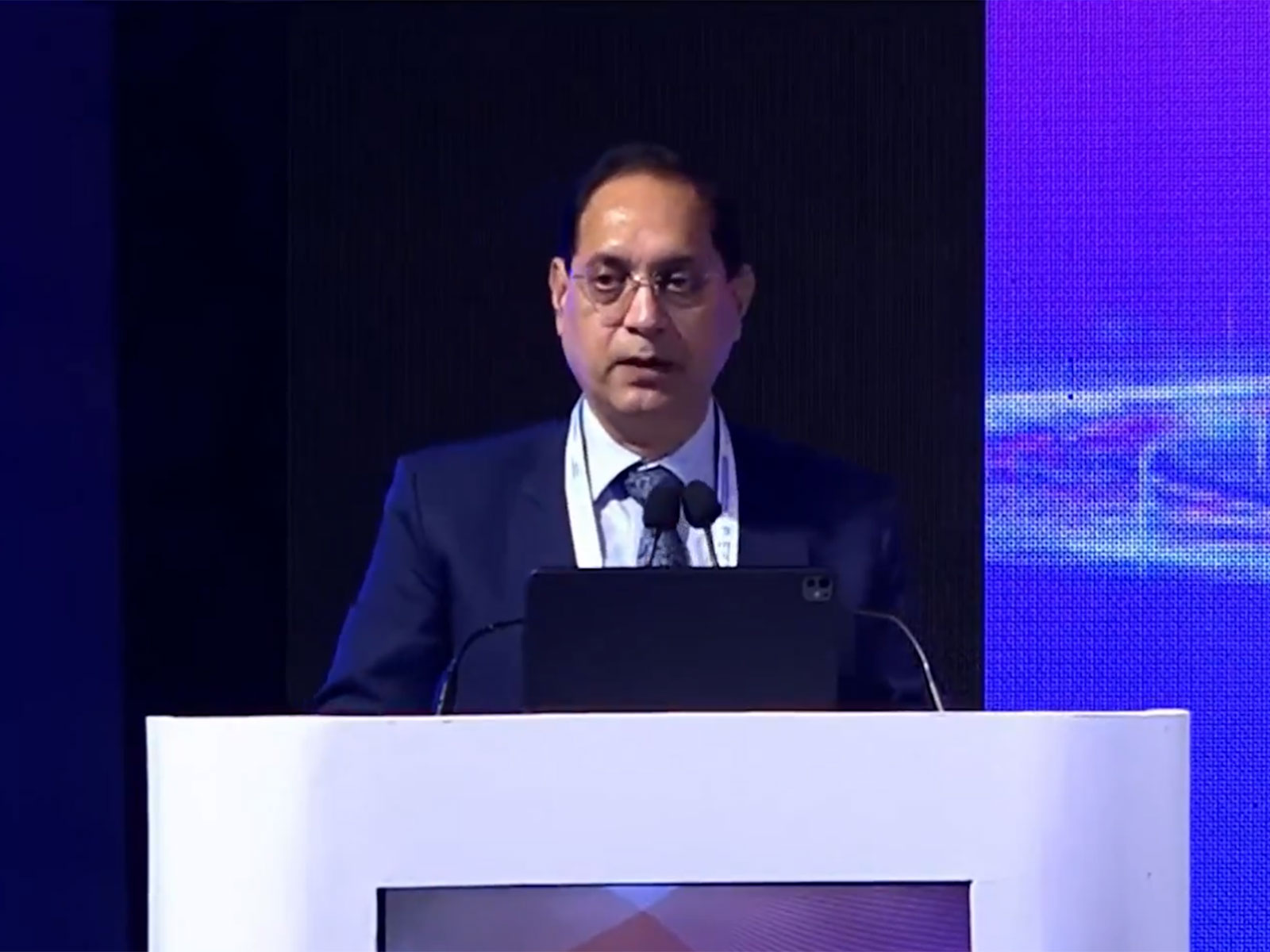
SEBI Chairman calls data "new plumbing of capital markets", urges strong governance, cyber resilience
Feb 07, 2026
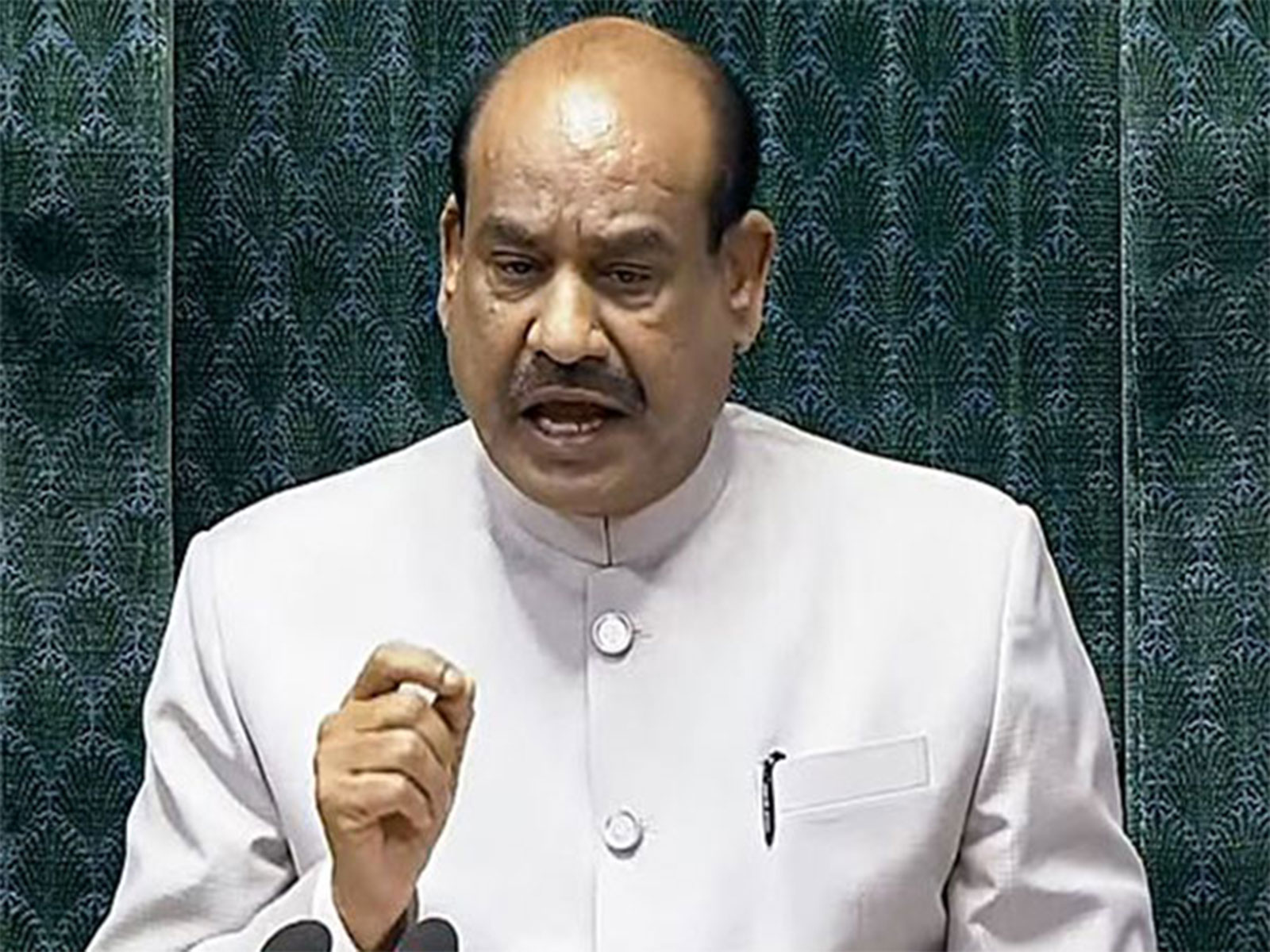
Mumbai (Maharashtra) [India], February 7 : Securities and Exchange Board of India (SEBI) Chairman Tuhin Kanta Pandey on Saturday underscored the growing centrality of data in India's capital markets, describing it as a critical but often invisible layer of market infrastructure that now rivals capital and liquidity in importance.
"For decades, when we spoke of market infrastructure, we meant exchanges, clearing corporations, depositories, etc. Today, there is another layer of infrastructure that is just as critical, though largely invisible data," he said.
"Data is the new plumbing of capital markets: unseen, indispensable, and powerful. In this world, the quality of data, the security around it, and the governance frameworks that guide its use matter as much as capital and liquidity themselves," he added.
While addressing the CDSL Reimagine Symposium on "Securities Market through Data Synergy," SEBI chief said, "India now has about 13.9 crore unique investors, up from 3.8 crore in March 2019. There are more than 21 crore demat accounts today, compared to 3.6 crore in March 2019. Markets are no longer confined to metropolitan centres; they are becoming truly national in character."
Highlighting the role of depositories in this transformation, the SEBI chief credited initiatives such as the Electronic Consolidated Account Statement, now available in 23 languages, and system-driven disclosures for improving transparency, accessibility, and investor confidence. Integration with DigiLocker and investor education campaigns such as "Slam the Scam" were cited as key steps to strengthen trust and awareness.
Pandey further warned that as markets become more real-time and algorithm-driven, mobile trading now accounting for over 20% of activity, data failures can pose systemic risks rather than mere operational challenges.
He stressed that data governance must be treated as a board-level responsibility, with clear ownership, accountability, and ethical oversight.
Outlining SEBI's regulatory efforts, he noted measures such as XBRL-based disclosures, standardised data formats, and Unified Distilled File Formats (UDiFF), which have reduced reporting requirements for market intermediaries by over 90%. These steps, he said, signal a shift from viewing data as a compliance by-product to recognising it as a strategic asset.
On cybersecurity, the chairman cautioned that rising cyber threats could have far-reaching consequences, including reputational damage and erosion of investor confidence. He called for robust architectures, regular audits, and strong incident response frameworks, especially for critical market infrastructure institutions.
Pandey also emphasised the ethical dimension of technology use, warning that opaque algorithms and unchecked automation could undermine market fairness. He said innovation must be pursued with "guardrails" to ensure transparency, accountability, and investor protection, particularly as artificial intelligence and algorithmic trading gain prominence.
Concluding his address, Pandey said the future stability of India's capital markets would depend on collective stewardship by regulators, market institutions, intermediaries, and technology providers, with resilience anchored in strong governance, secure systems, and responsible use of technology.