SEBI proposes re-introduction of open market share buybacks via stock exchanges, seeks public comments
Apr 02, 2026
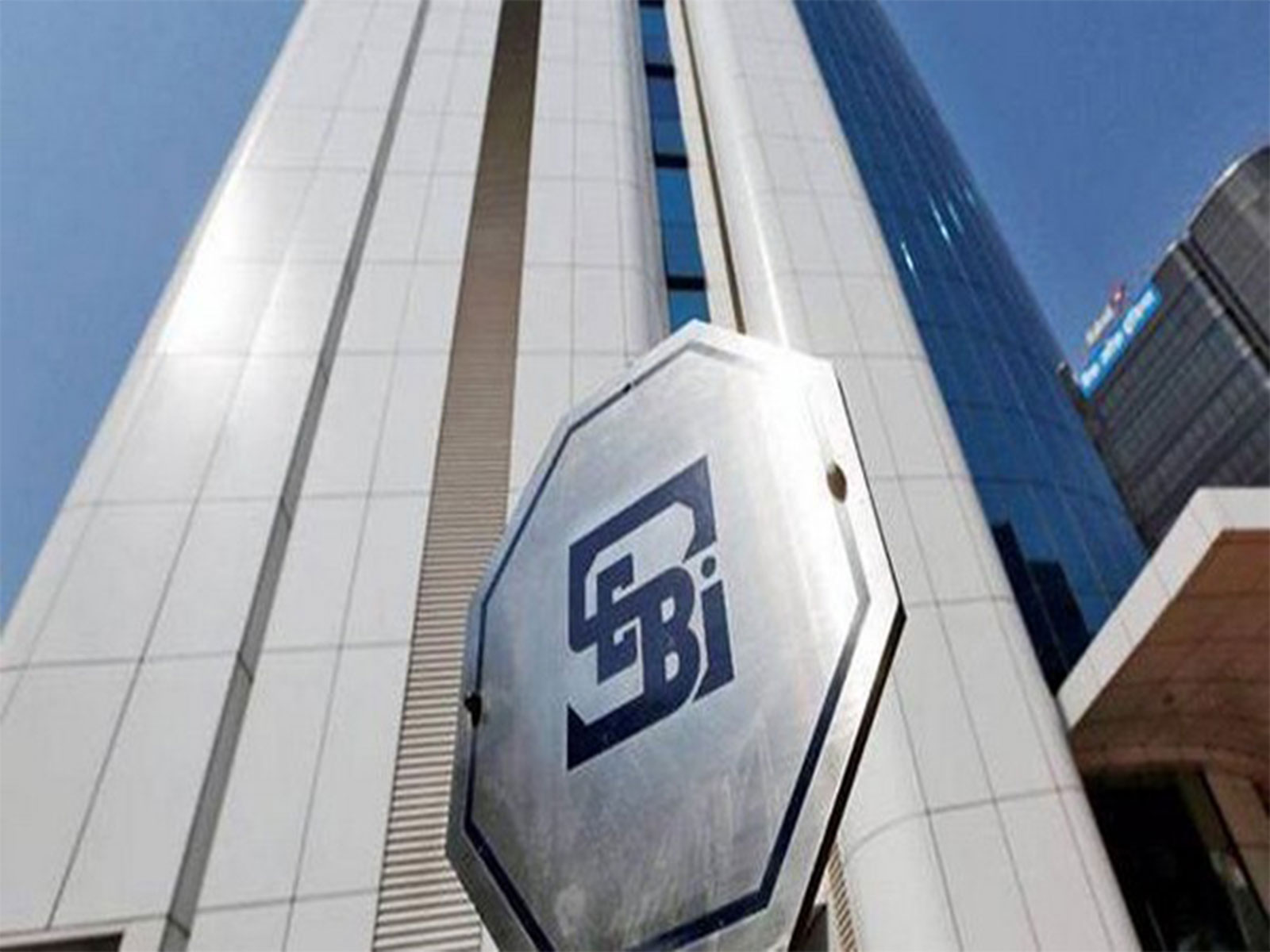
Mumbai (Maharashtra) [India], April 2 : The Securities and Exchange Board of India (SEBI) on Thursday released a consultation paper seeking public comments on a proposal to re-introduce buy-back of shares through the open market via stock exchanges as an additional method under the SEBI (Buy-Back of Securities) Regulations, 2018.
The proposal aims to address the issues of the earlier open market buy-back route, which was discontinued from April 1, 2025, following concerns related to equitable treatment of shareholders and taxation issues.
A buyback of shares, also known as a stock repurchase, is a corporate action where a company buys back its own outstanding shares from existing shareholders
Buy-back of shares by companies is primarily governed by Section 68 of the Companies Act, 2013, along with rules under the Companies (Share Capital and Debentures) Rules, 2014. For listed companies, such buy-backs are also regulated under SEBI's Buy-Back Regulations, which prescribe conditions, procedures and limits.
As per existing norms, companies can buy back shares either through a tender offer route or from the open market using book-building mechanisms.
However, the open market method through stock exchanges was phased out gradually, with the maximum limit reduced from 15 per cent till March 31, 2023, to 10 per cent from April 1, 2023, then to 5 per cent from April 1, 2024, and finally to zero from April 1, 2025.
The earlier discontinuation was driven by concerns that buy-backs through stock exchanges could result in unequal opportunities for shareholders.
Another key concern was related to taxation. Earlier, companies were required to pay buy-back tax under Section 115QA of the Income Tax Act, 1961, while shareholders were exempt.
This led to a situation where some shareholders benefited from tax-free exits, while others who could not participate in the buy-back did not receive similar advantages.
However, SEBI noted that the taxation framework has undergone significant changes in recent years. From October 1, 2024, buy-back proceeds became taxable in the hands of shareholders as deemed dividends.
Subsequently, from April 1, 2026, under the revised Income Tax Act, buy-back proceeds are now taxed as capital gains in the hands of shareholders.
Under the new framework, shareholders will pay tax based on actual capital gains, similar to selling shares in the normal market. Promoter shareholders will also face additional tax components, including capital gains tax and extra charges, depending on their category.
SEBI stated "In light of the amendments in the taxation framework introduced by the Income Tax Act, the then concerns for the discontinuation of buy-back of shares or other specified securities from open market through stock exchange, i.e. tax-induced inequity among public shareholders, now stands addressed".
It added that in an order-driven market, all public shareholders get equal opportunity to participate in buy-backs through uniform conditions based on price-time matching.
The regulator also highlighted that buy-backs through stock exchanges are widely used in international markets, as they allow continuous price discovery, enhance liquidity and enable companies to absorb selling pressure over time.
Industry bodies such as Federation of Indian Chambers of Commerce and Industry and the Association of Investment Bankers of India have supported the re-introduction of this method. They have argued that open market buy-backs are efficient, help stabilise markets, prevent panic selling and create long-term value for shareholders.
According to the consultation paper, SEBI has proposed that the open market buy-back method through stock exchanges can be reintroduced with appropriate regulatory safeguards and compliance mechanisms.
The buy-back may be carried out through a separate window on stock exchanges, similar to the earlier system.
The proposal also states that the existing framework related to disclosures, public announcements, escrow requirements and trading restrictions will continue to apply.
SEBI has invited comments and suggestions from stakeholders on the proposal, which aims to provide companies with an additional mechanism for share buy-backs while ensuring fair participation and transparency.