"Sensitive matters best allowed to proceed through established legal processes without public commentary": MEA on Hardeep Singh Nijjar case
Mar 02, 2026
New Delhi [India], March 2 : India called for focusing on the rule of law rather than political narratives, adding that it trusted Canada's legal process, awaiting the outcome of the jury trial in 2023 killing of Hardeep Singh Nijjar, the event that originally "ripped apart" bilateral ties.
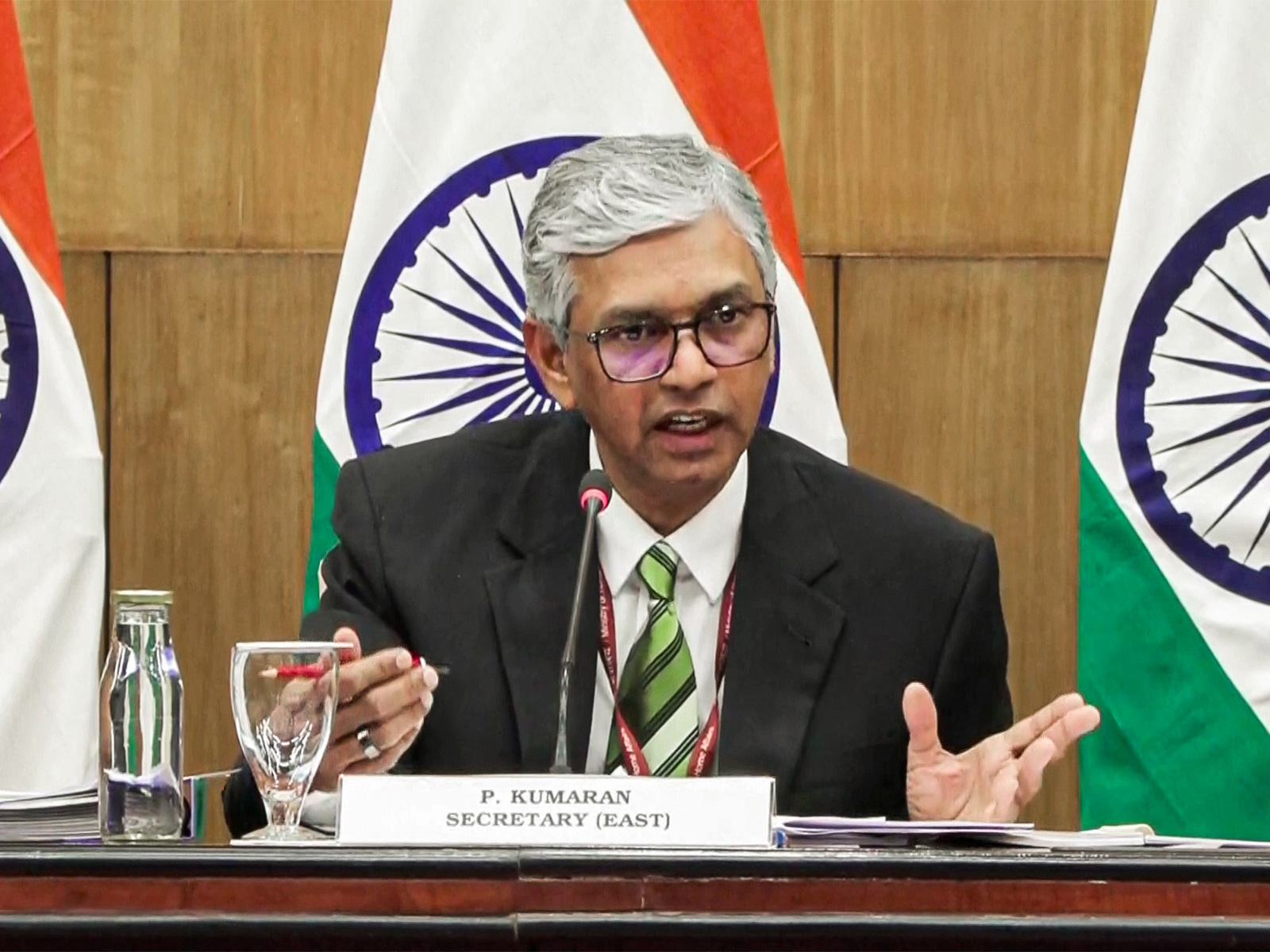
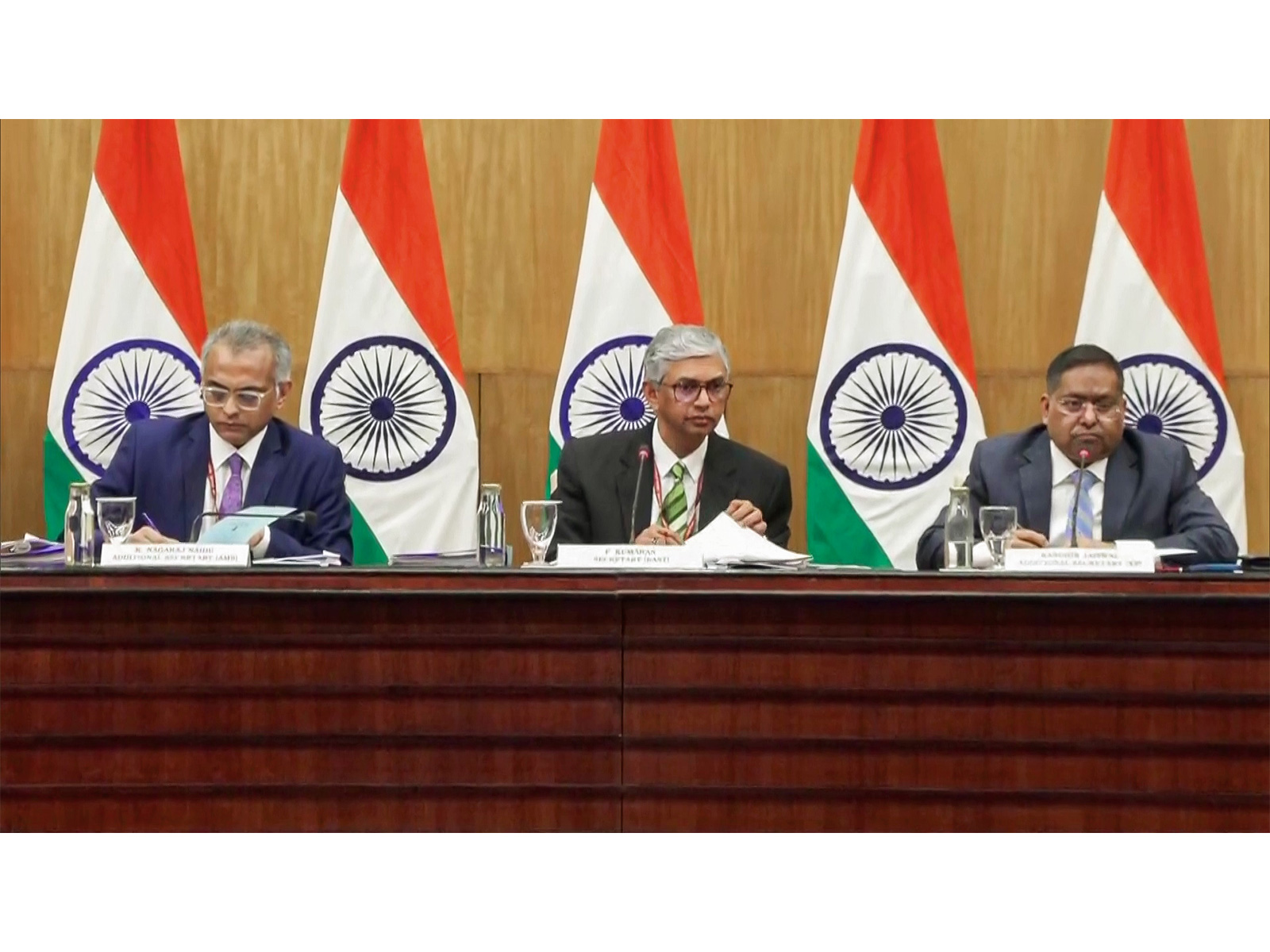
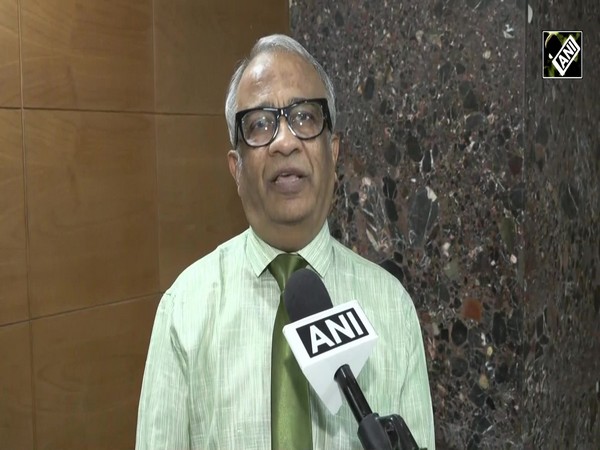
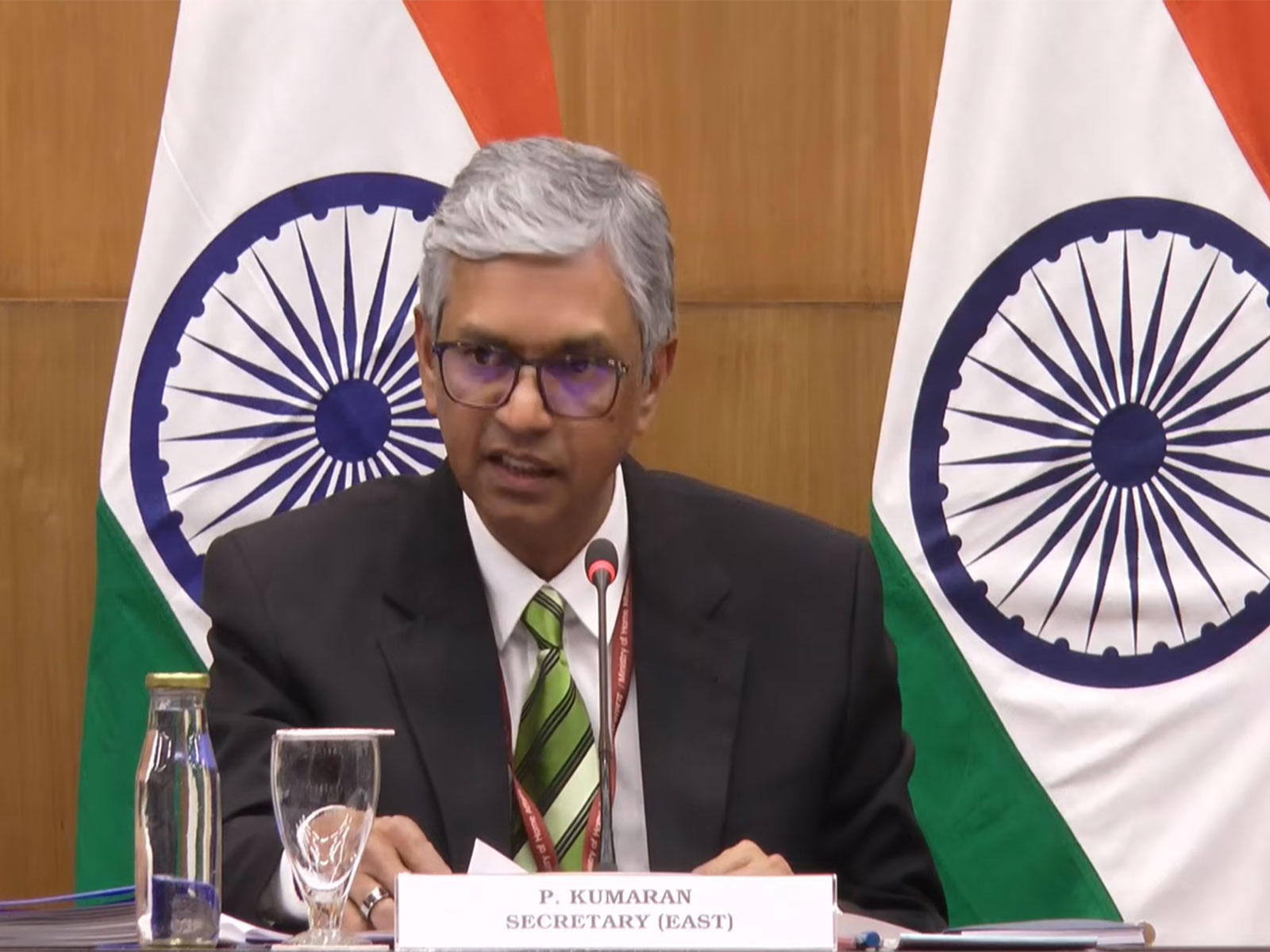
During the Ministry of External Affairs briefing on Canadian PM Mark Carney's official visit to India, Secretary (East) P Kumaran stated that India "trusts Canada's legal process" and is awaiting the outcome of the jury trial.
"We understand that the criminal investigation is proceeding as per established legal procedures... It will move to the full jury trial stage. The Canadians have an established legal procedure, and it will proceed as per that procedure. India has consistently maintained its commitment to the judicial process. We believe that sensitive matters are best allowed to proceed through established legal processes without public commentary...," he said.
Ties between both nations had briefly soured due to concerns over Canada's perceived leniency towards Khalistani separatist elements and Canada's allegations that Indian agents were involved in the killing of NIA-designated terrorist Hardeep Singh Nijjar outside a gurdwara in Canada in 2023.
India had strongly rejected the allegations and termed them "politically motivated".
While the visit of Prime Minister Mark Carney has been defined by "economic anchors" like uranium and $107 billion in investments, the resolution of long-standing extradition and criminal cases remains the "litmus test" for the newly restored trust.
Kumaran stated that both countries are committed to actively following up on the process, exchanging information on pending extradition and mutual legal assistance cases.
India and Canada are engaged in ongoing extradition talks, with the latest meeting held in Delhi on September 19, 2025.
"Extradition is regularly discussed in the Consular Dialogue. The extradition teams from both sides had their last meeting in Delhi on the 19th of September 2025. There was an exchange of information on all pending extradition and mutual legal assistance cases, and that's a continuing process, and we are determined that we will actively follow up this process...," he said.
India has 26 pending extradition requests with Ottawa, alongside several "provisional arrest" requests. These requests primarily concern individuals linked to organised crime, gang violence (notably the Lawrence Bishnoi gang), and separatist extremism.
In a major symbolic move ahead of Carney's visit, Canada initiated proceedings to revoke the citizenship of Tahawwur Rana (linked to the 26/11 Mumbai attacks), signalling a newfound willingness to use administrative tools where legal ones are slow.
Recent reports indicate that Canadian intelligence officials are now "confident" that the alleged transnational activities have ceased, allowing PM Carney to pursue this diplomatic reset.
Moreover, India denied involvement in transnational violence or organised crime, calling claims baseless and politically motivated.
"India categorically rejects allegations of involvement in transnational violence or organised crime. These claims are baseless, politically motivated and unsupported by credible evidence despite repeated requests. India believes that concerns of this nature must be addressed through credible law enforcement and judicial processes, not through public or politicised narratives...," said Kumaran.
Notably, National Security Advisor Ajit Doval and his Canadian counterpart Nathalie Drouin met twice recently (September 2025 in Delhi and February 2026 in Ottawa) to create a "shared work plan" on law enforcement.
The Joint Working Group on Counter-Terrorism has been reactivated to share real-time intelligence on extremist networks and a dedicated mechanism has been established to handle "Lookout Circulars" and Mutual Legal Assistance Treaty (MLAT) requests.
"On criminals getting space in Canada, let me try and give you some broader context on the current security cooperation between Canada and India. Based on the guidance provided by the leaders, we had a meeting between the national security advisors of the two countries in Delhi on 18 September 2025 and for a second time again on 7th February, 2026 in Ottawa. The two sides acknowledge progress on initiatives aimed at supporting the safety and security of their countries and citizens. It was also agreed to continue senior official-level discussions on security and law enforcement cooperation," he said.
He further said, "We have a JWG on counter-terrorism. We have a consular dialogue mechanism in place that addresses all issues, including extradition, lookout, and circular notices. We will be holding the next edition of the Consular Dialogue sometime in the coming months. At the meeting held on 6th February, both sides agreed to a shared work plan to guide bilateral cooperation on national security and law enforcement issues and to enable practical collaboration on the respective priorities."
Kumaran said that both parties had agreed that both nations would cooperate on issues of mutual interest.
"It was also agreed that each country would establish security and law enforcement liaison officers to build on working relationships, streamline bilateral communications, and enable timely information sharing on issues of mutual interest to Canada and India, including issues such as illegal flow of drugs, fentanyl precursors and transnational organised criminal networks," he said.