Severely ill pro-Palestine activist ends hunger, thirst strike in UK prison
Jan 27, 2026
London [UK], January 27 : British pro-Palestine activist Umer Khalid, 22, has ended a prolonged hunger and thirst strike after his health deteriorated sharply and doctors feared he was at risk of a heart attack, reported Al Jazeera.
Khalid, who suffers from limb-girdle muscular dystrophy, had escalated his protest by refusing fluids on Friday before ending the strike on Sunday (local time), the same day he was treated in intensive care as his heart rate slowed to a dangerous level. He has since been returned to the Wormwood Scrubs Prison in London, his family said.
He was among eight Palestine Action-linked detainees involved in a coordinated hunger strike that began in November, described as the largest of its kind in the UK since the 1981 Irish Republican protests. Khalid was the last participant still refusing food after others ended their fasts earlier this month, including one who had abstained for 73 days, reported Al Jazeera.
Saeed Taji Farouky, a filmmaker associated with the supporting group Prisoners for Palestine, said, "It is a great relief that Umer is off his hunger strike. There are, of course, long-term complications. He has experienced organ failure."
Emergency doctor James Smith, part of a group advising the strikers, expressed concern about the swift return to prison care, saying, "The heightened period of risk is the moment you end a hunger strike," and adding that access to medical care in the UK prison system can be inadequate.
Khalid and four other activists are awaiting trial on charges related to an alleged break-in and vandalism at the RAF Brize Norton airbase in Oxfordshire, charges they deny. Khalid had earlier called for immediate bail, an end to what he described as censorship and restrictions in prison, and investigations into the UK's role in military operations in Gaza.
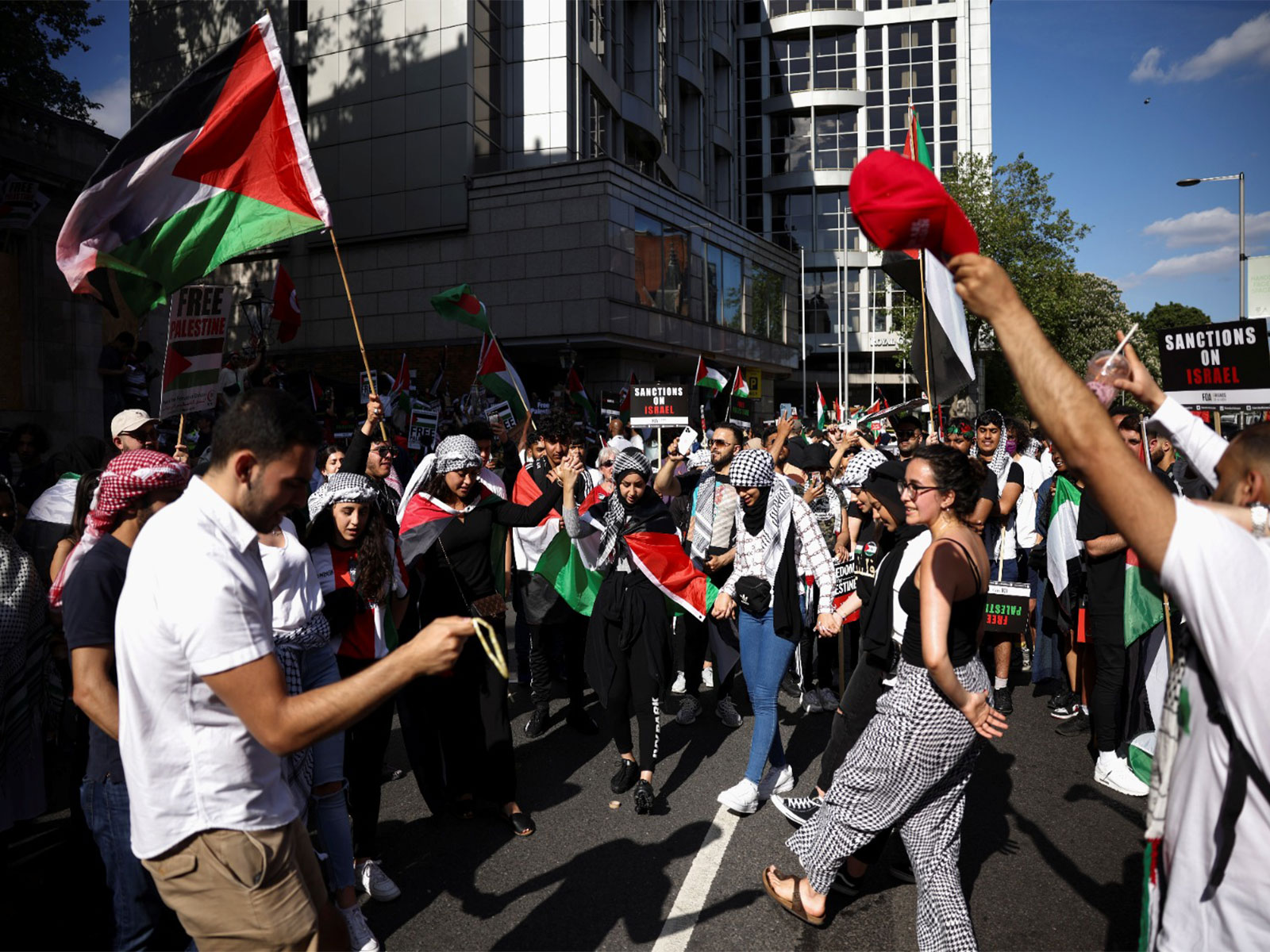
In recent days, protests in support of the hunger strikers drew dozens of demonstrators to the prison gates; police arrested at least 86 people, accusing some of blocking prison access routes.