"She is a brilliant, smart lady...brain behind Maduro": Robinder Sachdev on US capturing Venezuelan deposed dictator's wife
Jan 04, 2026
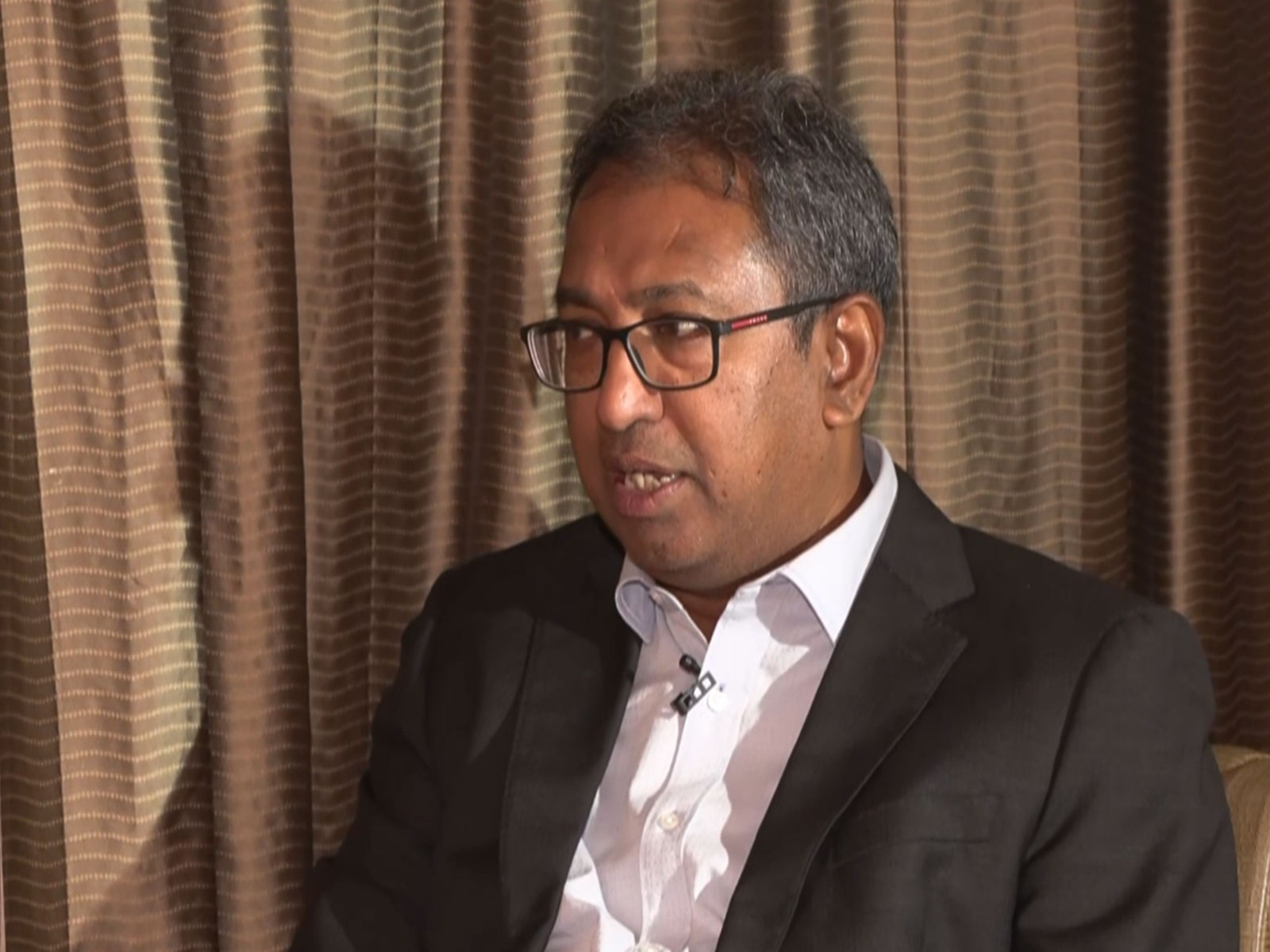
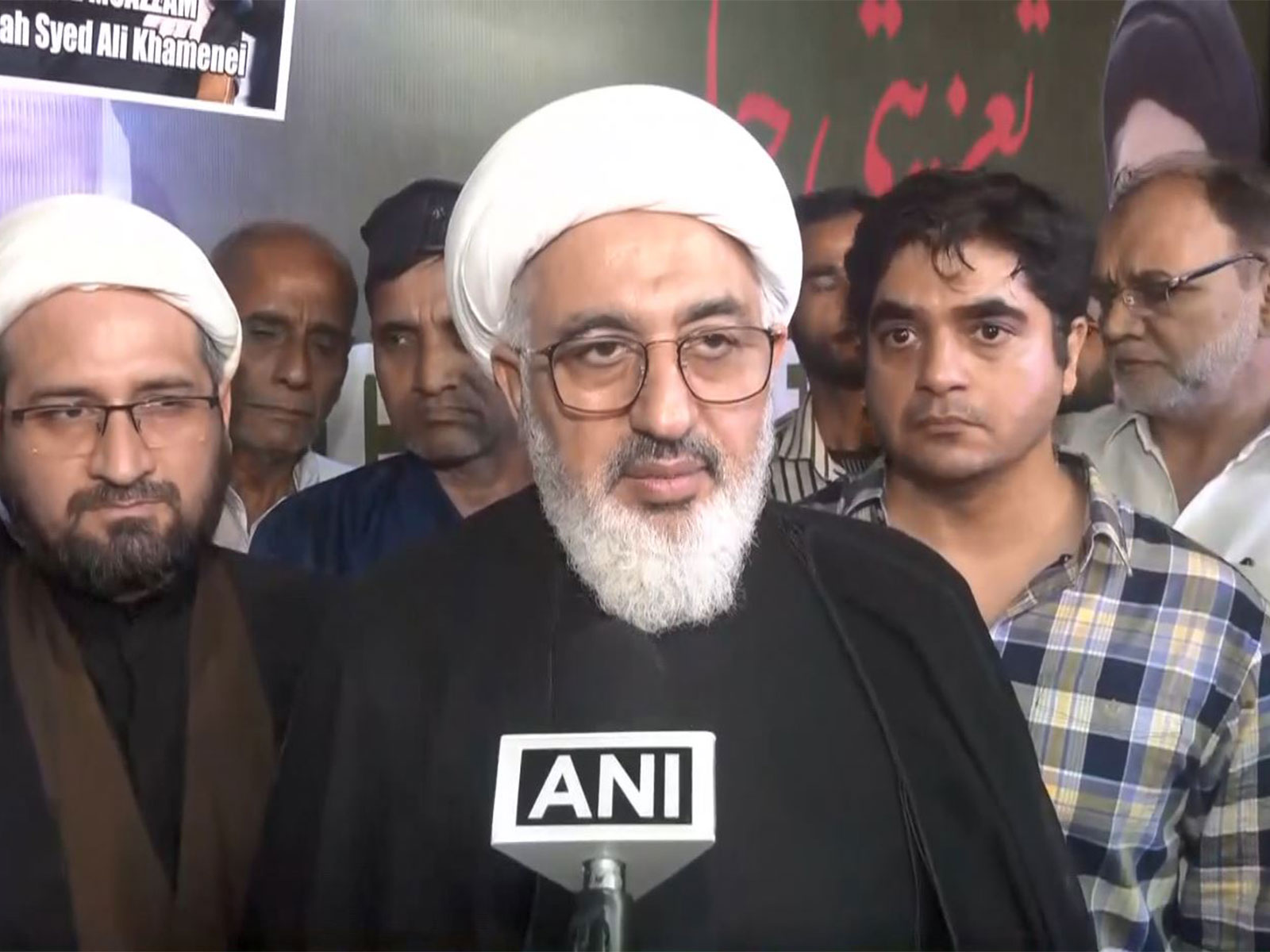
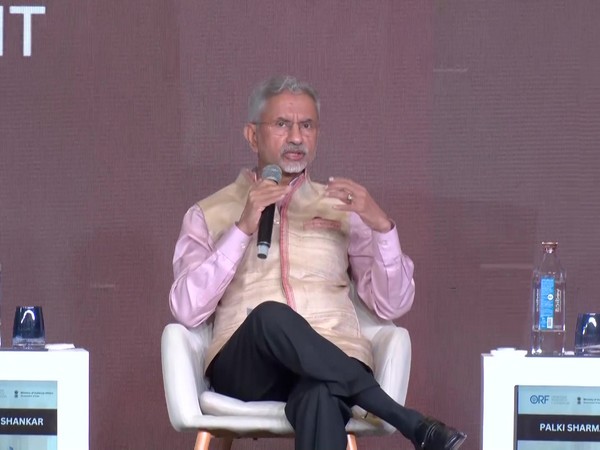
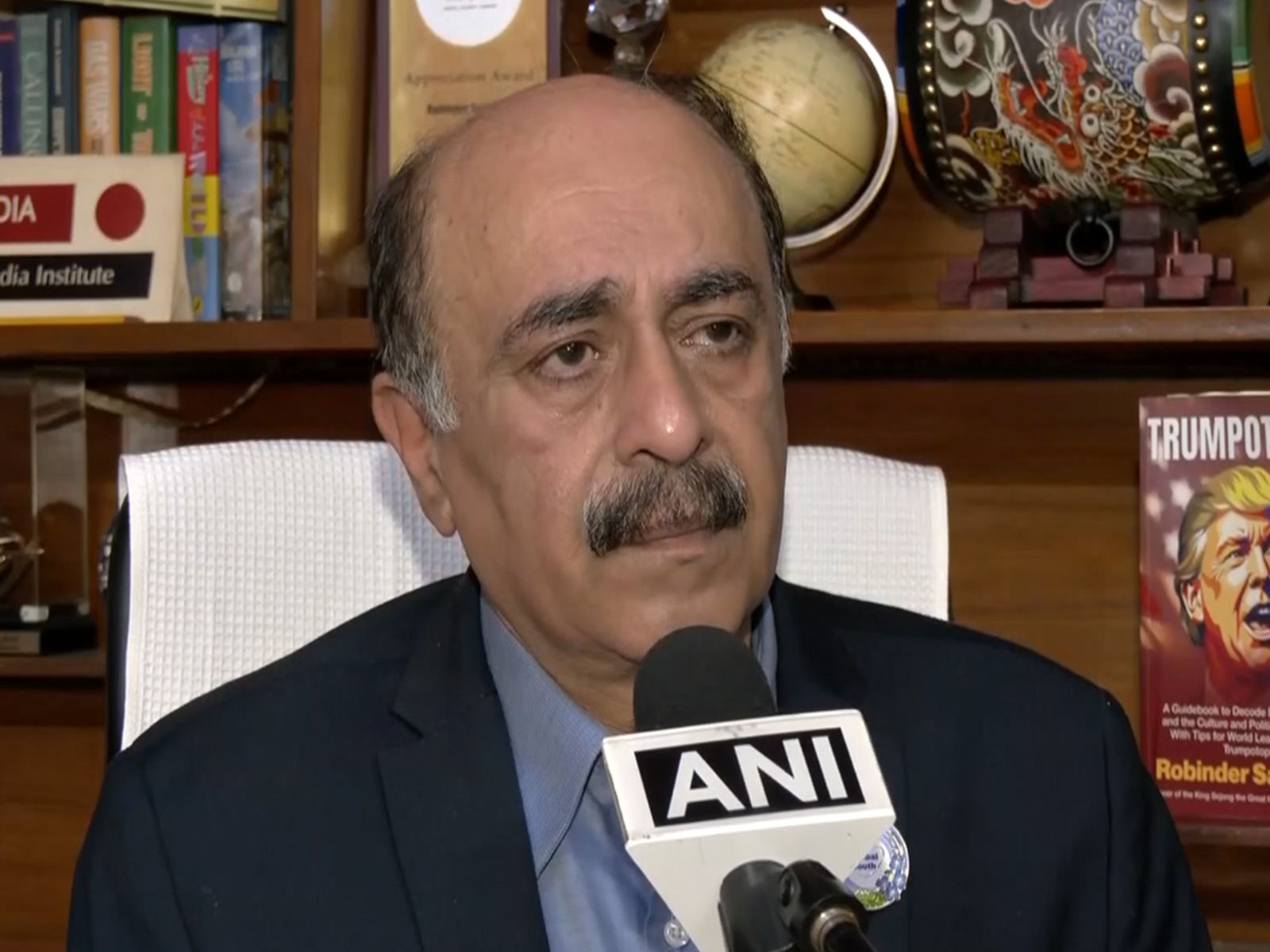
New Delhi [India], January 4 : Foreign Affairs Expert Robinder Sachdev on Sunday highlighted the reason for the capture of President Nicolas Maduro and his wife, Cilia Flores, on January 3, 2025.
Sachdev, in an interview with ANI, said that Flores, a member of the Venezuelan parliament, is considered a key figure in Maduro's administration and is accused of being involved in drug trafficking. The US reportedly abducted her to prevent her from rallying support for Maduro in Venezuela.
"Maduro will face the charges in New York. His wife has also been captured. The reason for abducting his wife is that Maduro's wife is also a member of the Venezuelan parliament. She is a brilliant, smart lady, and it is said that she is the brain behind Maduro. So America did not want to leave her in Venezuela because then she would have mobilised and rallied support for Maduro politically. They have also charged her with similar drug trafficking charges. So they abducted both of them and now in New York the case will be run against them," he said.
Venezuelan President Nicolas Maduro and his wife, Cilia Flores, were captured by US forces in a large-scale military operation in Caracas and are now facing charges in New York.
The couple is being held at the Metropolitan Detention Center in Brooklyn, with Maduro facing charges including narco-terrorism conspiracy and cocaine importation conspiracy.
The US has announced plans to "run" Venezuela until a safe transition can be made, sparking international debate and concern over the operation's legality and implications for regional stability.
Sachdev said the operation was a spectacular success.
"America's attack on Venezuela and the capture of Maduro is something unprecedented. It has never ever happened before. The kind of military operation carried out by America. On the military side, no doubt it was a spectacular success executed flawlessly," he said.
The operation, framed as a law-enforcement matter rather than a military operation, involved US Special Forces and law-enforcement officials. Sachdev explained that the US didn't need Congressional approval for the operation because it was framed as a law-enforcement operation rather than a military attack.
"Secondly, Trump is positioning this not as a military attack on Venezuela. He is positioning it as law enforcement of America going to a country and capturing a criminal. That is why, along with the military, they also had officials from law enforcement. The reason is that for Trump to attack a country, it is actually necessary for the US Congress to approve. In this case, he has not taken any approval from the US Congress because he is positioning it as a step by the law enforcement agencies to go and bring back a criminal drug trafficker," he said.
The international community has reacted with concern, with some leaders questioning the legality of the operation. The UN Security Council is set to discuss the situation, while Russia and China have condemned the US action.
The US military launched a targeted operation in Venezuela (codenamed Operation Absolute Resolve). This marks a significant escalation from years of economic sanctions to direct military intervention.
The Trump administration claimed Maduro was involved in drug trafficking and had rigged the 2024 election. The US had previously imposed sanctions on Venezuela and offered a $50 million bounty for Maduro's arrest.
Trump announced the US would "run" Venezuela temporarily, exploiting its oil reserves, and warned other countries in the region to toe the US line.
The US government, under President Trump, justifies the intervention as a security necessity rather than a resource grab. The primary official reasons include: narco-terrorism charges, national security and migration crisis.
The US indicted Nicolas Maduro and other high-ranking officials for allegedly leading a "narco-terrorist" conspiracy to flood the US with cocaine. Washington also claims the Maduro government has become a "criminal enterprise" that destabilises the Western Hemisphere by harbouring terrorist groups and facilitating human trafficking.
Moreover, the US administration cites the mass exodus of millions of Venezuelans as a "border security" issue for the United States.
Since 2005, successive U.S. presidents have imposed a range of sanctions on Venezuela, including its oil sector, for what American officials have said is the country's failure to crack down on drug trafficking and terrorism, along with alleged human rights abuses, reported CBS News.