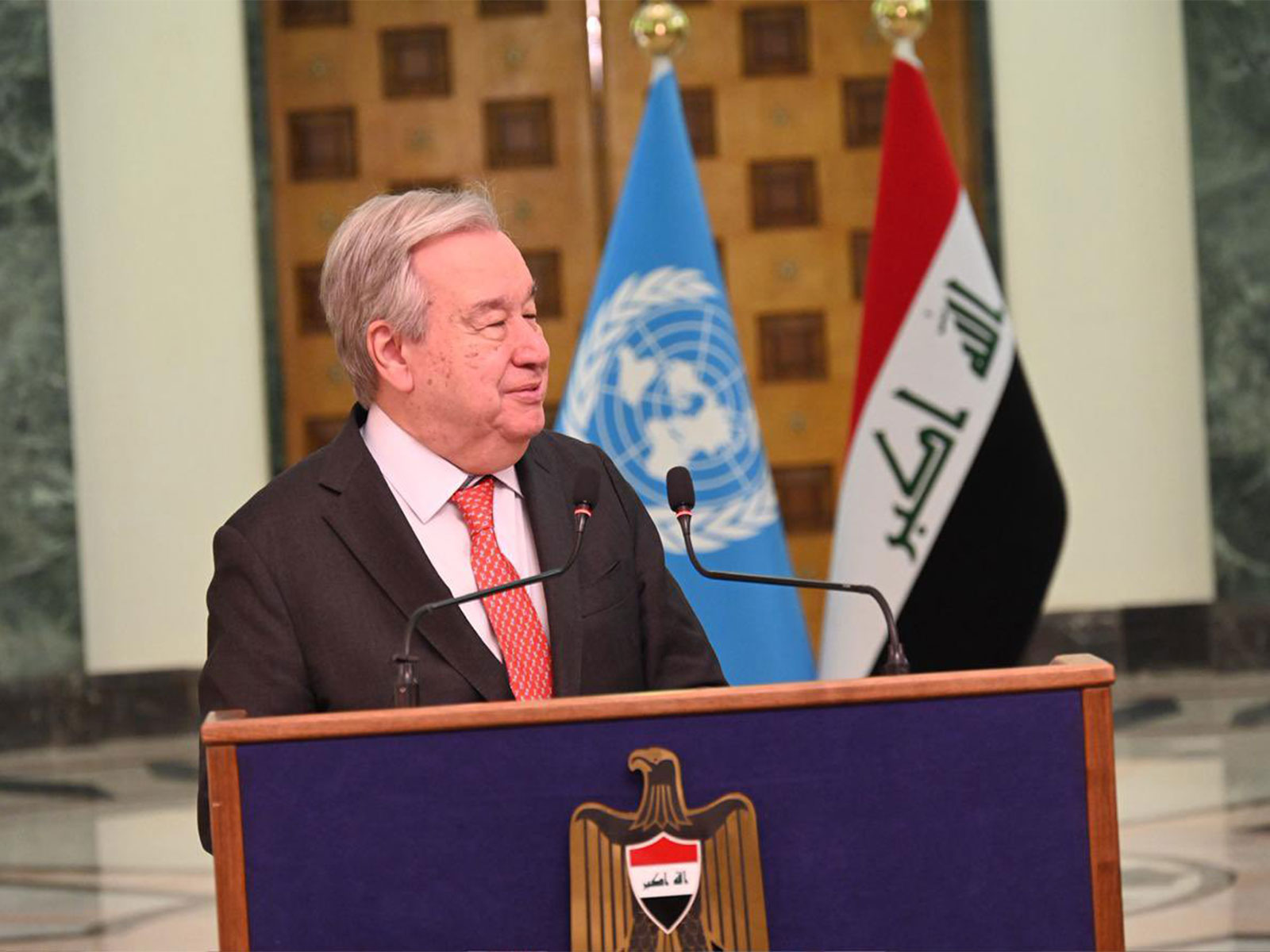
"Shock waves of conflict fallling hardest on poorest, most vulnerable": UN chief Antonio Guterres on West Asia Conflict
Mar 26, 2026
New York [US], March 26 : United Nations (UN) Secretary-General Antonio Guterres on Wednesday (local time) warned that the ongoing West Asia conflict is disproportionately affecting the "poorest and the most vulnerable populations", callling for an immediate end to the war and a renewed push for diplomacy.
In a post on X, Guterres said the humanitarian consequences of the conflict were being borne by civilians who had no role in the conflict.
"The shock waves of the conflict in the Middle East are falling hardest on those who bear no responsibility: the poorest & the most vulnerable," he said.
https://x.com/antonioguterres/status/2036956546769576033
"War is not the answer. We need a way out of this disaster," he added.
The UN chief stressed that diplomacy and adherence to international law were the only viable solutions to the crisis.
"Diplomacy, full respect of international law & peace are the way out," he said.
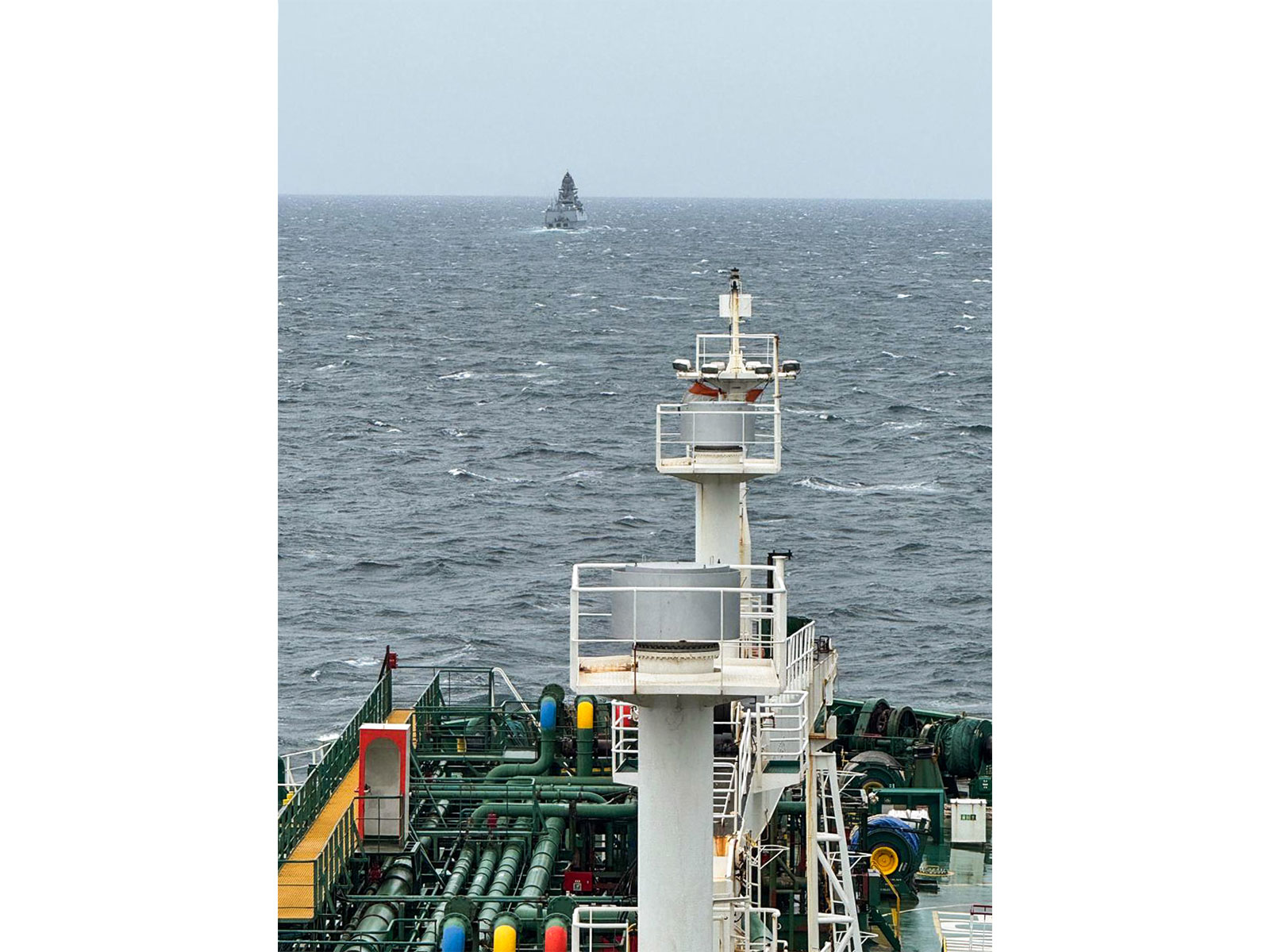
In a separate X post, Guterres also highlighted the economic impact of the conflict, particularly the prolonged disruption of shipping through the Strait of Hormuz.
https://x.com/antonioguterres/status/2036926348074377311
"The prolonged closure of the Strait of Hormuz is choking the movement of oil, gas & fertilizer at a critical moment in the global planting season," he said.
He added that civilians across the region were facing severe consequences as the conflict continued.
"Across the region & beyond, civilians are enduring serious harm & living under profound insecurity," Guterres said.
The Secretary-General said the UN is working to reduce the impact of the conflict but stressed that ending the war remains the most effective solution.
"The UN is working to minimise the consequences of the war. And the best way to minimise those consequences is clear. End the war - immediately," he said.
Meanwhile, speaking in a televised interview on the strategic Strait of Hormuz, Araghchi on Wednesday said Iran has restricted passage for its adversaries but allowed friendly nations to transit, according to Press TV.
"For some countries that we identified as our friends, we allowed passage through the Strait of Hormuz. We allowed China, Russia, India, Iraq, and Pakistan to pass," he said.
"There is no reason for us to allow our enemy to pass through the Strait of Hormuz," he added.