"Should be called TRUMP Act:" Jairam Ramesh alleges removal of key provisions of 2010 Nuke bill from SHANTI bill
Dec 20, 2025
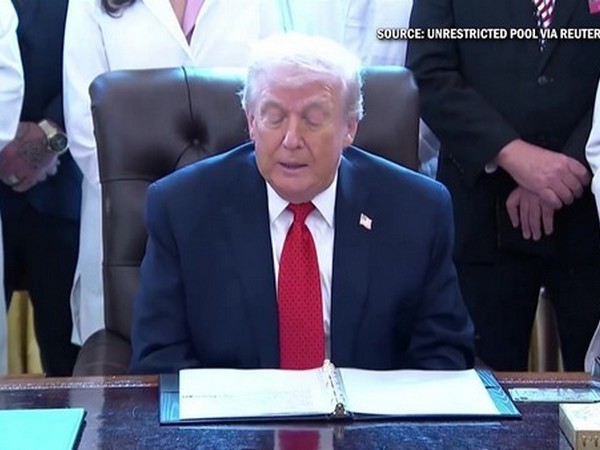
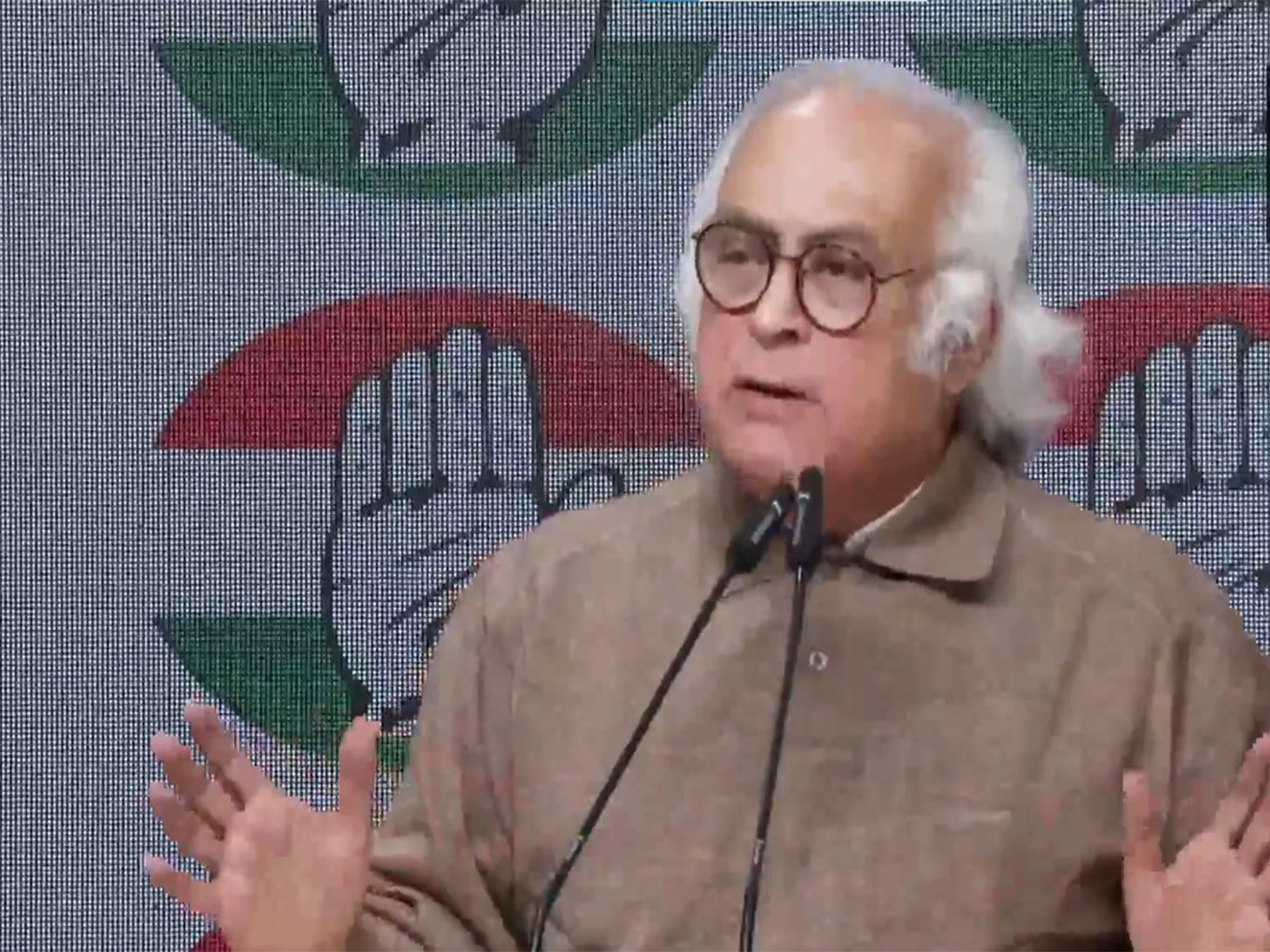
New Delhi [India], December 20 : Congress MP Jairam Ramesh on Saturday alleged that the removal of key provisions of the Civil Liability for Nuclear Damage Act, 2010 under the SHANTI Bill was aimed at restoring relations with US President Donald Trump and took a swipe at the legislation, saying it might as well be called the "TRUMP Act."
Citing the US National Defence Authorisation Act, the Congress leader alleged that the Act references a joint assessment between the United States and India on nuclear liability rules and questioned the timing of the SHANTI Bill's passage in both Houses of Parliament.
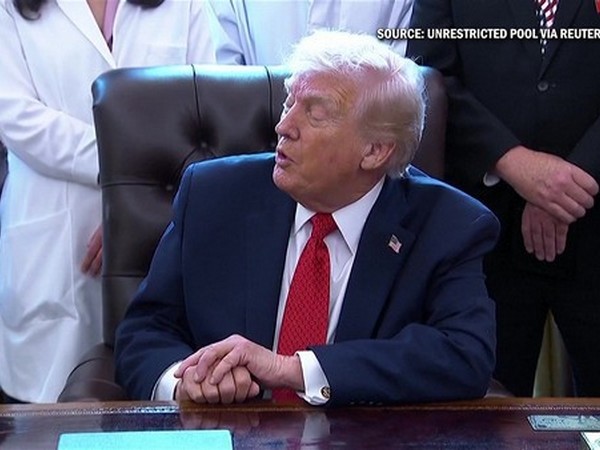
"President Trump has just signed the National Defence Authorisation Act for the US Fiscal Year 2026. The Act is 3100 pages long. Page 1912 has a reference to the joint assessment between the United States and India on Nuclear Liability Rules," said Ramesh.
"Now we know for sure why the Prime Minister bulldozed the SHANTI Bill through Parliament earlier this week that, among other things, did away with key provisions of the Civil Liability for Nuclear Damage Act, 2010 that had been passed unanimously by Parliament. It was to restore SHANTI with his once good friend. The SHANTI Act may well be called the TRUMP Act - The Reactor Use and Management Promise Act," added Ramesh.
According to the National Defence Authorisation Act for the US Fiscal Year 2026, " The Secretary of State, in consultation with the heads of other relevant Federal departments and agencies, shall establish and maintain within the U.S.-India Strategic Security Dialogue a joint consultative mechanism with the Government of the Republic of India that convenes on a recurring basis to assess the implementation of the Agreement for Cooperation between the Government of the United States of America and the Government of India Concerning Peaceful Uses of Nuclear Energy, signed at Washington October 10, 2008 to discuss opportunities for the Republic of India to align domestic nuclear liability rules with international norms; and to develop a strategy for the United States and the Republic of India to pursue bilateral and multilateral diplomatic engagements related to analyzing and implementing those opportunities."
Earlier, R. Jairam Ramesh slammed the BJP-led government over provisions of the Sustainable Harnessing and Advancement of Nuclear Energy for Transforming India Bill, 2025 (SHANTI Bill), saying that the party was going against the stance of its own leaders Arun Jaitley and Jaswant Singh when the Civil Liability for Nuclear Damage Act was enacted in 2010.
Participating in the debate on the SHANTI Bill in the Rajya Sabha, he said that the SHANTI Bill is the opposite of what the BJP had stated when the Civil Liability for Nuclear Damage Act was enacted.
The Congress leader said India had vast resources of thorium and the government should heed the suggestions of eminent expert Anil Kakodkar. He said that India has made a lot of progress in the peaceful use of atomic energy and is operating nuclear reactors of various sizes.
The Congress leader further asserted that Indian private players should be encouraged to capitalise and build on India's own strengths and not look towards foreign companies.
Earlier, Parliament on Thursday passed the Sustainable Harnessing and Advancement of Nuclear Energy for Transforming India Bill, 2025 (SHANTI Bill). The Bill was passed by the Rajya Sabha a day after it got approval in the Lok Sabha.
The bill seeks to repeal the Atomic Energy Act, 1962 and the Civil Liability for Nuclear Damage Act, 2010. Jitendra Singh said the new legislation is aligned to achieve the objectives of increasing the share of nuclear energy in the total energy mix of India, will facilitate innovation in atomic science and technology, expand its applications to non-power applications and continue to honour India's obligations towards safety, security, safeguards and towards nuclear liability.
Further, the bill also seeks to leverage the contribution of domestic nuclear energy to augment the global nuclear energy ecosystem.