Special convention starts in Kathmandu amid widening intra-party rift within Nepali Congress ahead of March polls
Jan 11, 2026
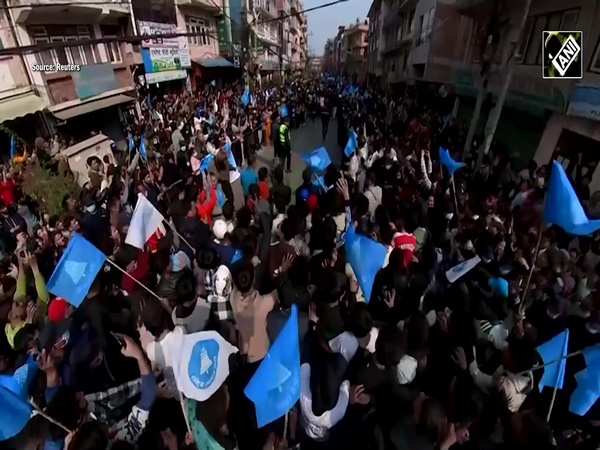
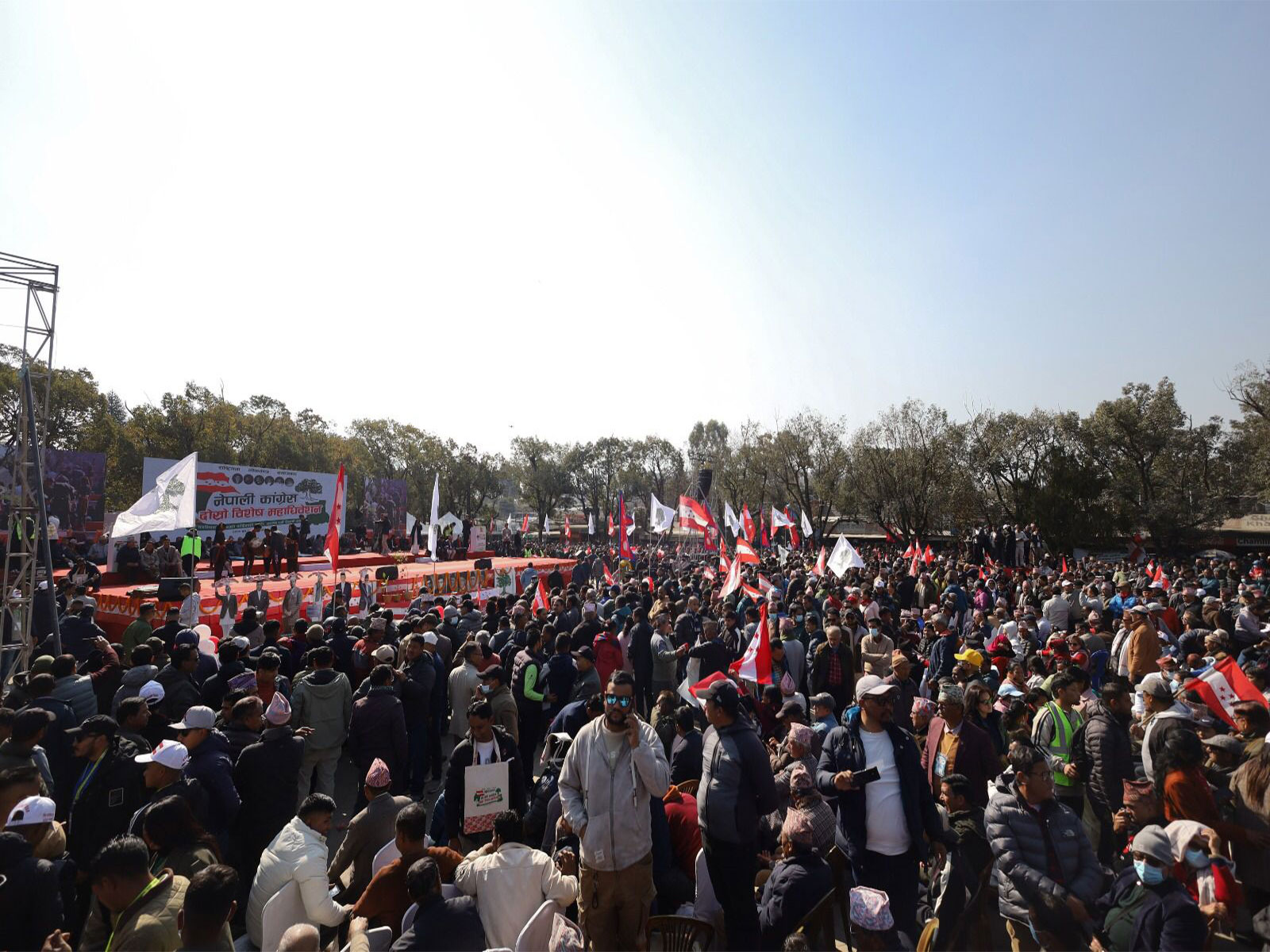
Kathmandu [Nepal], January 11 : Amid a widening intra-party rift and the approaching election, the second special general convention of the Nepali Congress has begun in Kathmandu, drawing wide attention amid speculation over whether it signals party reform or a possible split.
The two-day event began on Sunday afternoon with the active involvement of general secretaries Gagan Kumar Thapa and Bishwa Prakash Sharma. Acting party president and other senior party members abstained from the opening ceremony in protest.
Hundreds of delegates and participants have arrived from across the country, bringing mixed emotions of hope and fear among cadres over generational change and the possibility of a split.
However, the general secretaries ruled out any chance of a party split, saying the convention is a way to bring the party back on track.
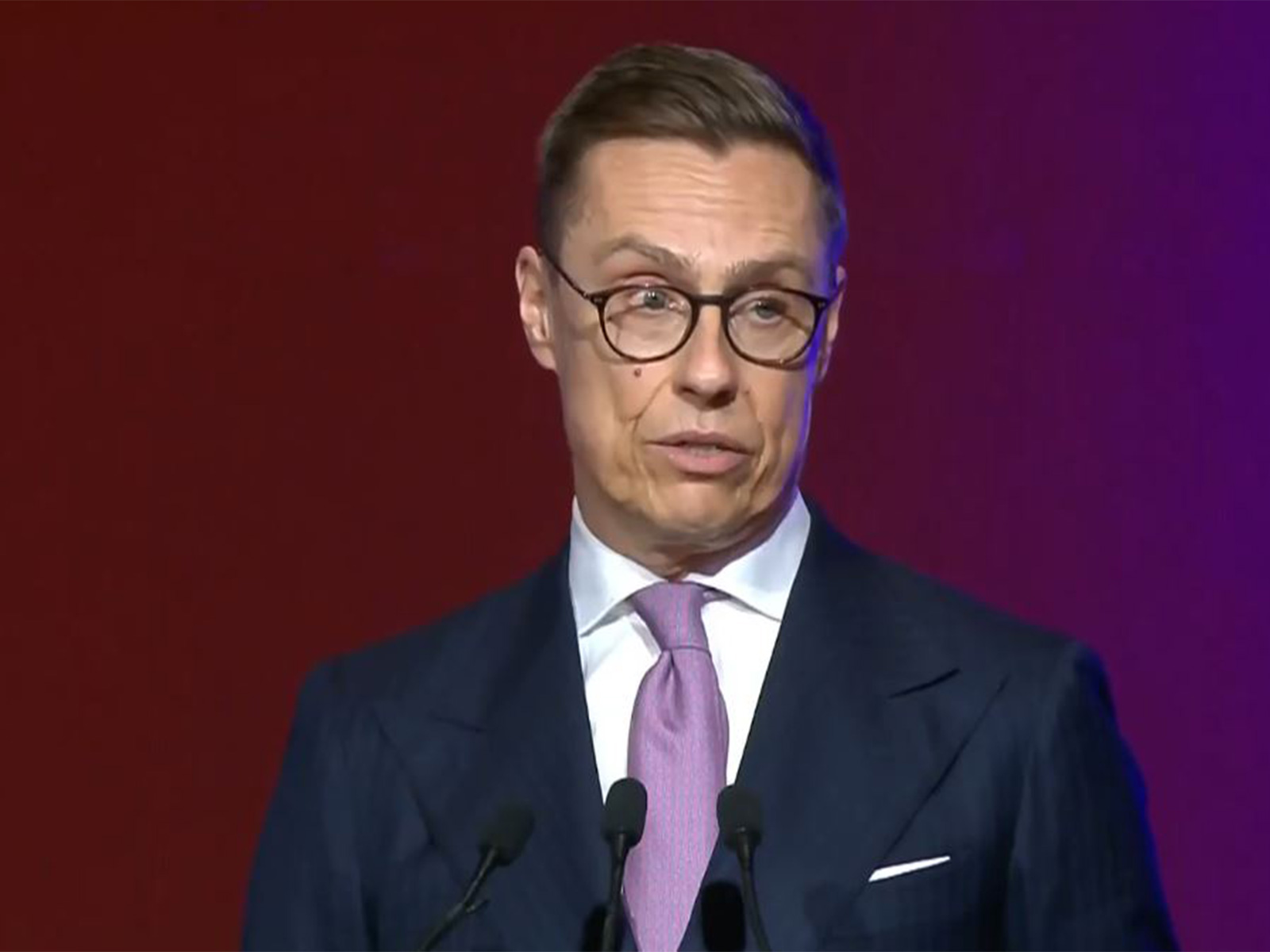
"Many have the question: will the Nepali Congress split after the special convention? While returning from the special convention, will the Nepali Congress break into two? Many might have thought the two general secretaries are dividing the party and that it will help other political parties," General Secretary Bishwa Prakash Sharma said while addressing the inaugural session.
Further adding, "This mass of people was Nepali Congress since birth and will remain till death. Not the split in the Nepali Congress; we will bring it back stronger and united in the coming days. This gathering says it all. Not breaking the Congress, we will move forward, driving the party and leading the nation."
Another general secretary, Gagan Kumar Thapa, widely seen within the party as the next contender for the prime ministership, also said the convention aims to bring much-needed changes.
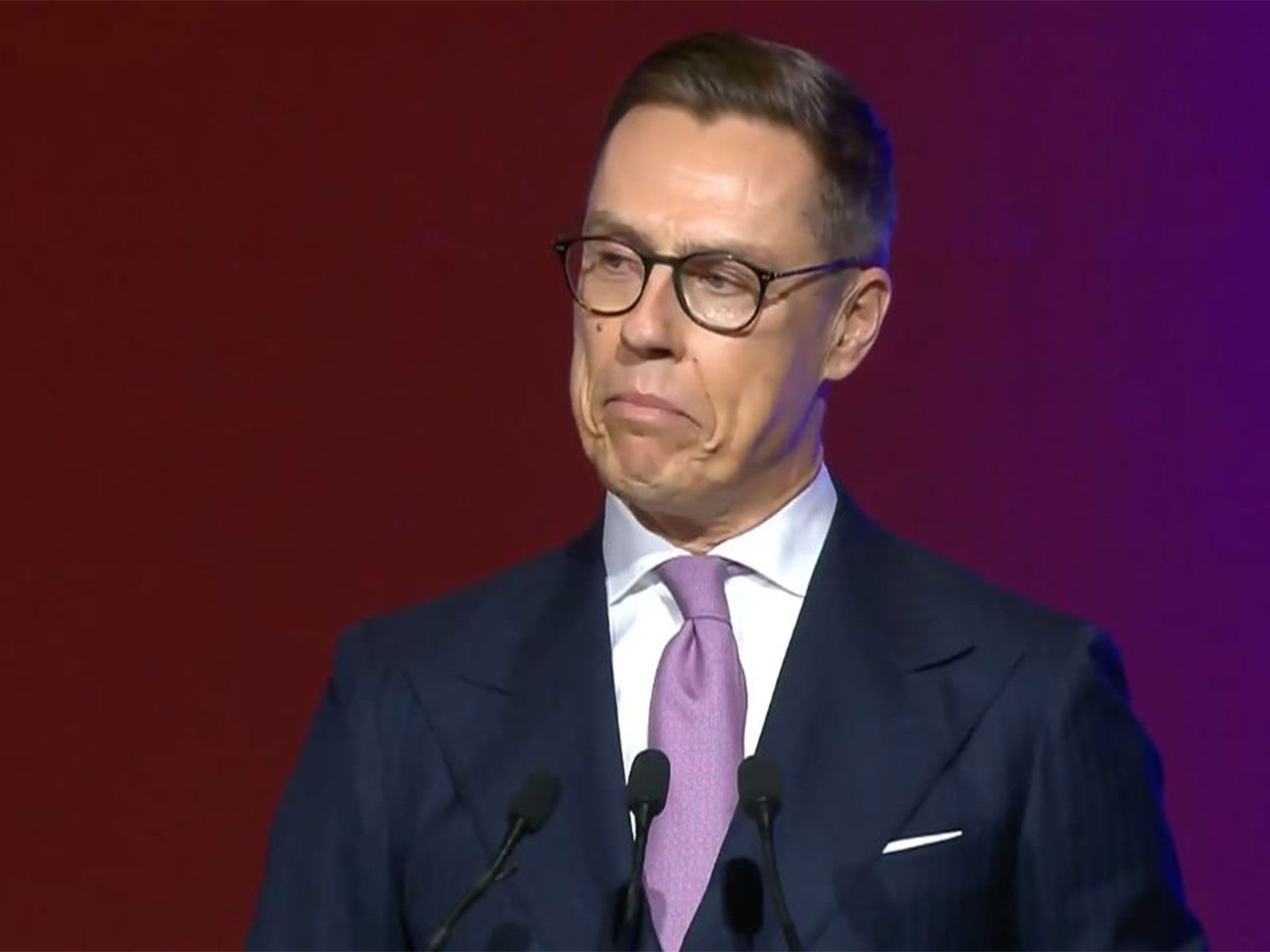
"The Nepali Congress needs to be brought back on track. Why? Only by standing in the right place can the party fulfil its duty to the nation. For us, the nation and its citizens are the foremost priorities," Thapa said.
"Taking all risks, delegates have come here for the convention. This is both an opportunity and a challenge. Standing between opportunity and challenge, we will convene a closed-door session tomorrow (January 12, 2026), hold discussions, and implement the decisions taken by the hall. This is because the party statute states that the convention is the party's most powerful event. If the convention wants, it can choose the leader, change the leader, and make or change policies and the statute as well," he added.
The special convention of one of Nepal's oldest parties was inaugurated by the duo of general secretaries after party president Sher Bahadur Deuba and acting president Purna Bahadur Khadka declined to attend despite efforts by the organisers.
The second special general convention, called by Thapa and Sharma, is being held amid a deepening intra-party dispute. Deuba declined to participate despite suggestions from some leaders that the event be turned into a consensus-driven gathering.
The establishment faction led by Deuba has opposed the convention, arguing it could split the party, and has instead pushed for the regular general convention scheduled for May.
Thapa and Sharma maintain that the convention was demanded by 2,488 elected representatives, more than 54 per cent of the total. Leaders backing the convention say over 60 per cent of elected delegates are participating.
The Congress statute requires the party leadership to convene a special general convention if at least 40 per cent of the party's elected general convention representatives demand it.
A petition signed by 53 per cent of the Nepali Congress general convention representatives was submitted at the party headquarters in mid-October, seeking a special general convention and the election of new leadership.
The organisers insist the gathering aims to propose policy and organisational reforms while safeguarding party unity, even as uncertainty remains about whether it will lead to a leadership change.
The special convention is taking place eight weeks ahead of the general election, called after the dissolution of the House of Representatives following the Gen-Z revolution that erupted on September 8.
The protests of September 8 turned violent after the indiscriminate killing of youths by security forces during demonstrations held in defiance of a social media ban and corruption. In Kathmandu alone, 23 protesters, mostly youths, were gunned down by police in a single day.
The following day, on September 9, violent mobs burned private and public infrastructure, businesses, and properties. A total of 76 people have been confirmed dead so far.
Postmortem reports of those killed in police firing in the Kathmandu Valley stated that deaths were caused by bullet injuries to the head and chest. During protests, police are only permitted to fire below the knee to control crowds.
Police also used some lethal weapons during the crackdown, following which former Home Minister Ramesh Lekhak stepped down from his post. However, Prime Minister Oli remained adamant about resigning despite mounting pressure.
Appointed as interim prime minister on September 12, Karki recommended that the president dissolve Parliament and call elections on March 5, 2026.