Strait of Hormuz closure triggers logistics shock for Indian fertilizer sector: Report
Mar 22, 2026
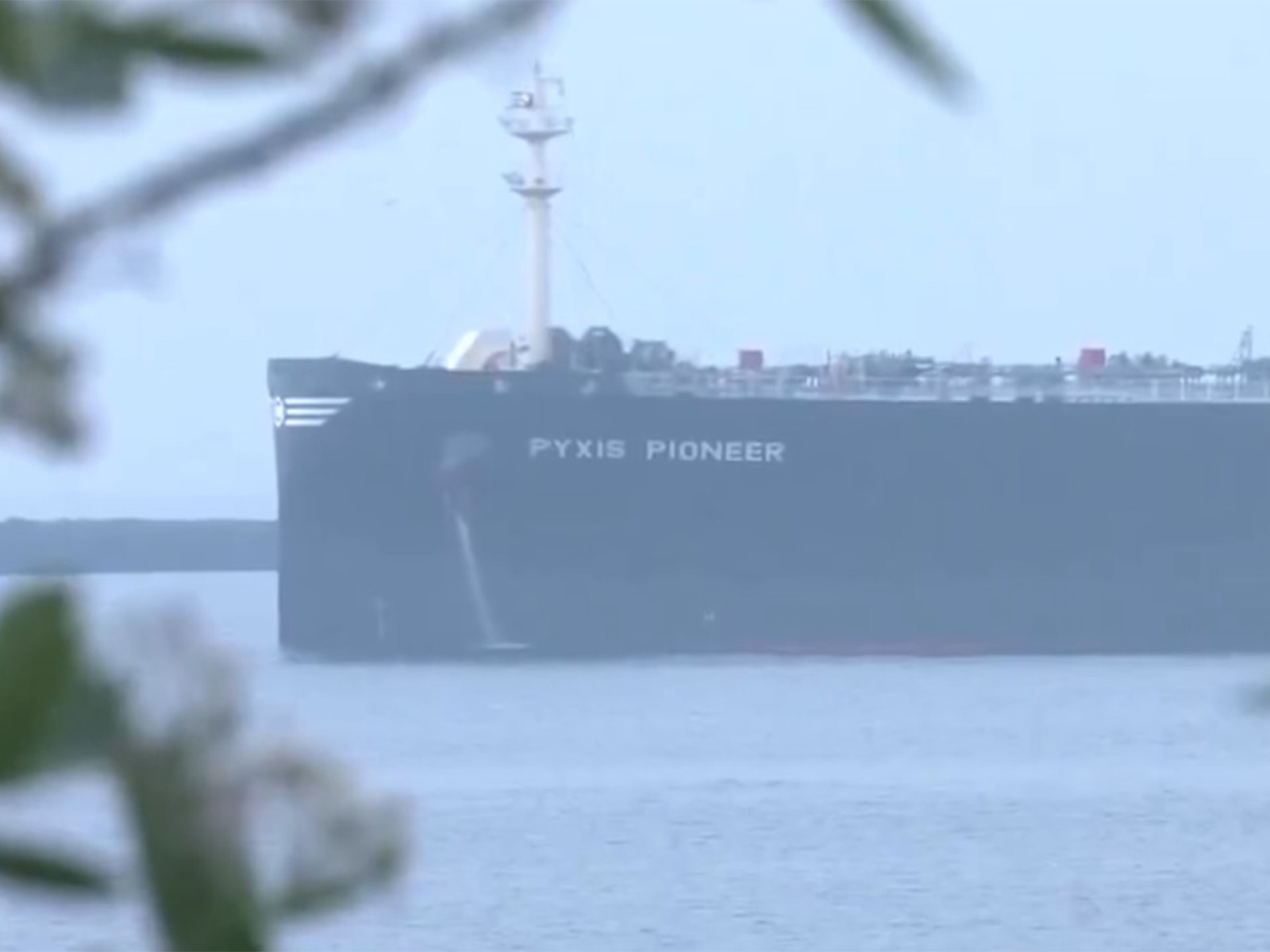
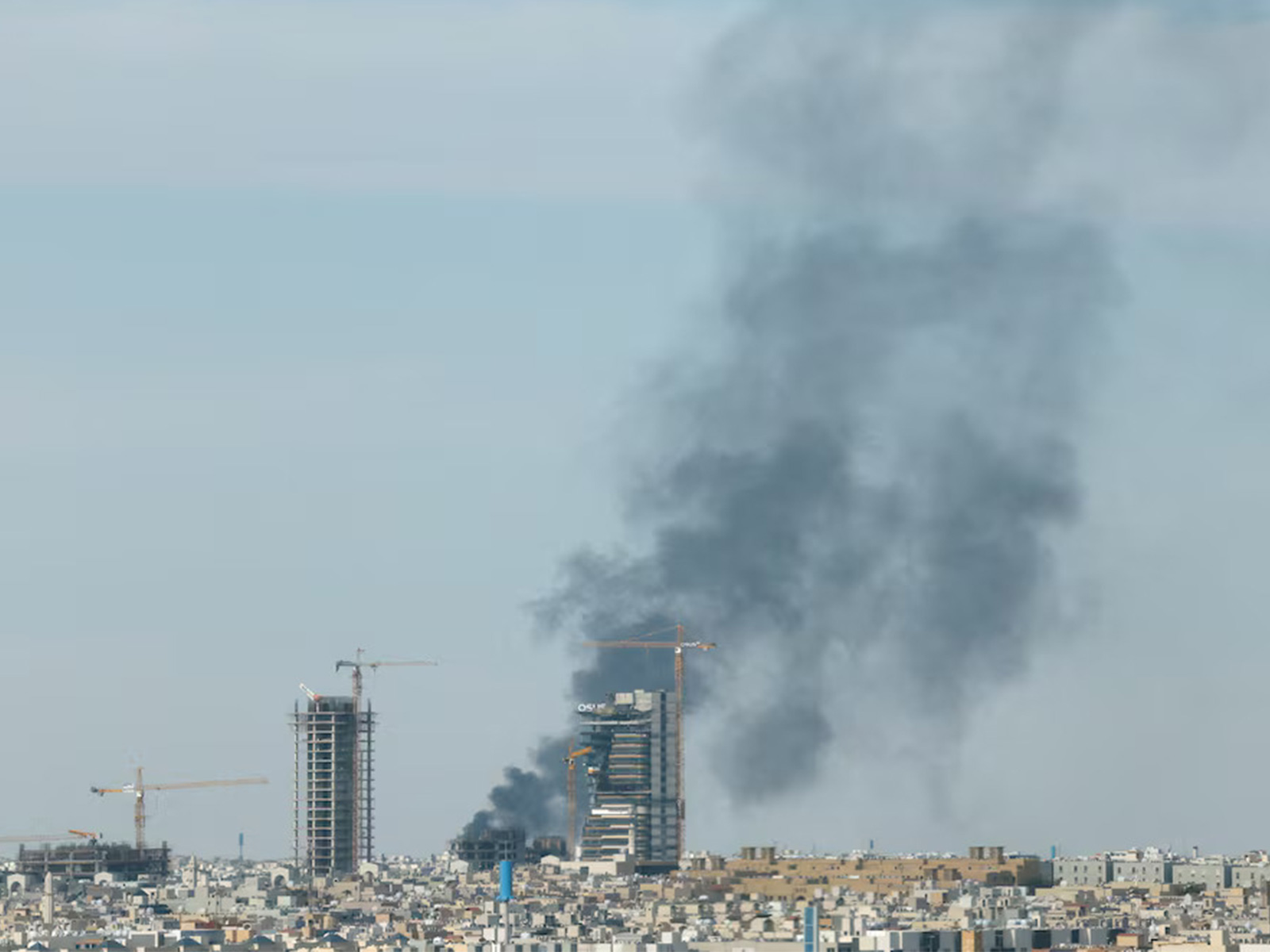
New Delhi [India], March 22 : The effective closure of the Strait of Hormuz is set to trigger a significant input-cost and logistics shock for the Indian fertilizer sector, although the industry currently maintains comfortable near-term supplies.
According to a report by DAM Capital, "the current disruption is an input-cost and logistics shock, not an immediate availability crisis," particularly as the industry enters a lean demand period before Kharif requirements climb in mid-May.
The Di-Ammonium Phosphate (DAP) segment faces the highest level of risk due to its structural reliance on foreign markets. The report stated that "DAP remains the most exposed due to import dependence and import-chain vulnerability."
While India relies on Middle Eastern partners, the report clarified that "Saudi supply is strategically important, but Hormuz-exposed." Compounding this vulnerability is the shift in regional trade dynamics. The report stated that "China is no longer a dependable fallback" for Indian procurement needs.
In fact, "China is halting most fertilizer exports to secure domestic supply and stabilize prices ahead of spring planting," which forces Indian importers to look toward more distant or expensive alternatives like Morocco and Jordan.
The report also highlighted that "urea risk is more about gas availability than finished imports," noting that LNG curtailments are already forcing some plants into "lower utilization or advanced maintenance."
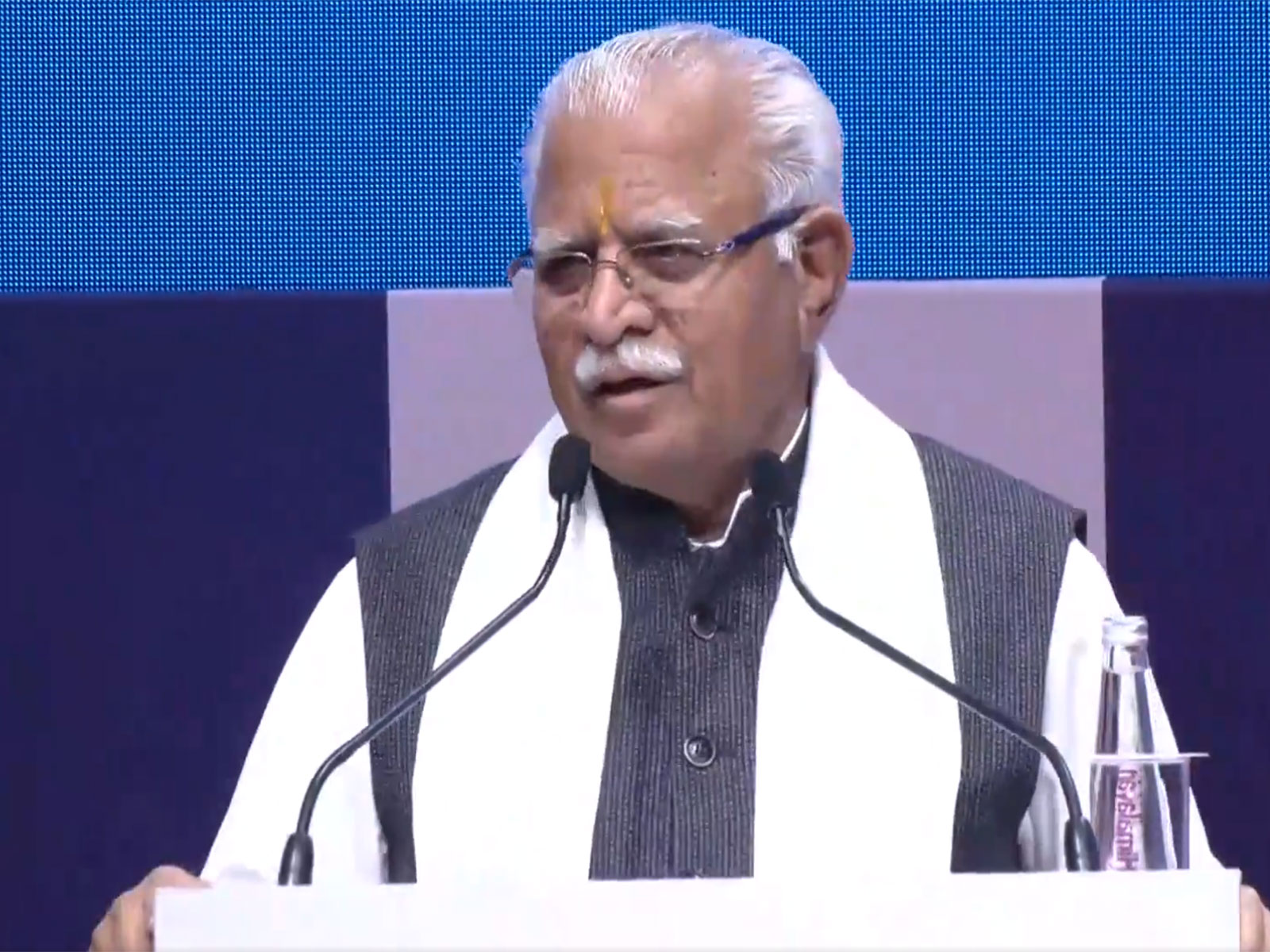
Quoting Ramesh Chand, acting director and principal economist at the National Centre for Agricultural Economics and Policy Research, the report provided a specific outlook on the volume required for the upcoming seasons.
As per Chand, the country "requires ~18mn tonnes of urea till Aug'26 - 50% of which is required as a base dose and the remaining 50% used in split doses."
With current stocks at 6.2 million tonnes and projected production at 10 million tonnes over the next five months, a gap of approximately 2 million tonnes remains that must be filled through imports.
The broader impact on the industry involves a "managed supply squeeze" rather than total unavailability. If the blockade persists, the "key impact" will manifest as "higher landed cost, weaker import economics, subsidy pressure, tighter sourcing, and more cautious inventory decisions."
While complex NPK and SSP players appear "relatively better placed for now, with stronger finished-goods and raw-material cover," they are not immune to upstream price hikes.
The report mentioned that "exporters are required to suspend shipping of both urea as well as nitrogen-potassium fertilizer blends" from major hubs, which will likely keep global prices elevated.
Ultimately, while companies might see short-term "windfall gain expected from liquidation of existing inventory," these benefits are expected to be "offset by higher replenishment cost" as the crisis in the Strait of Hormuz continues.