STT hike unlikely to curb speculation, says Zerodha founder Nithin Kamath
Feb 02, 2026
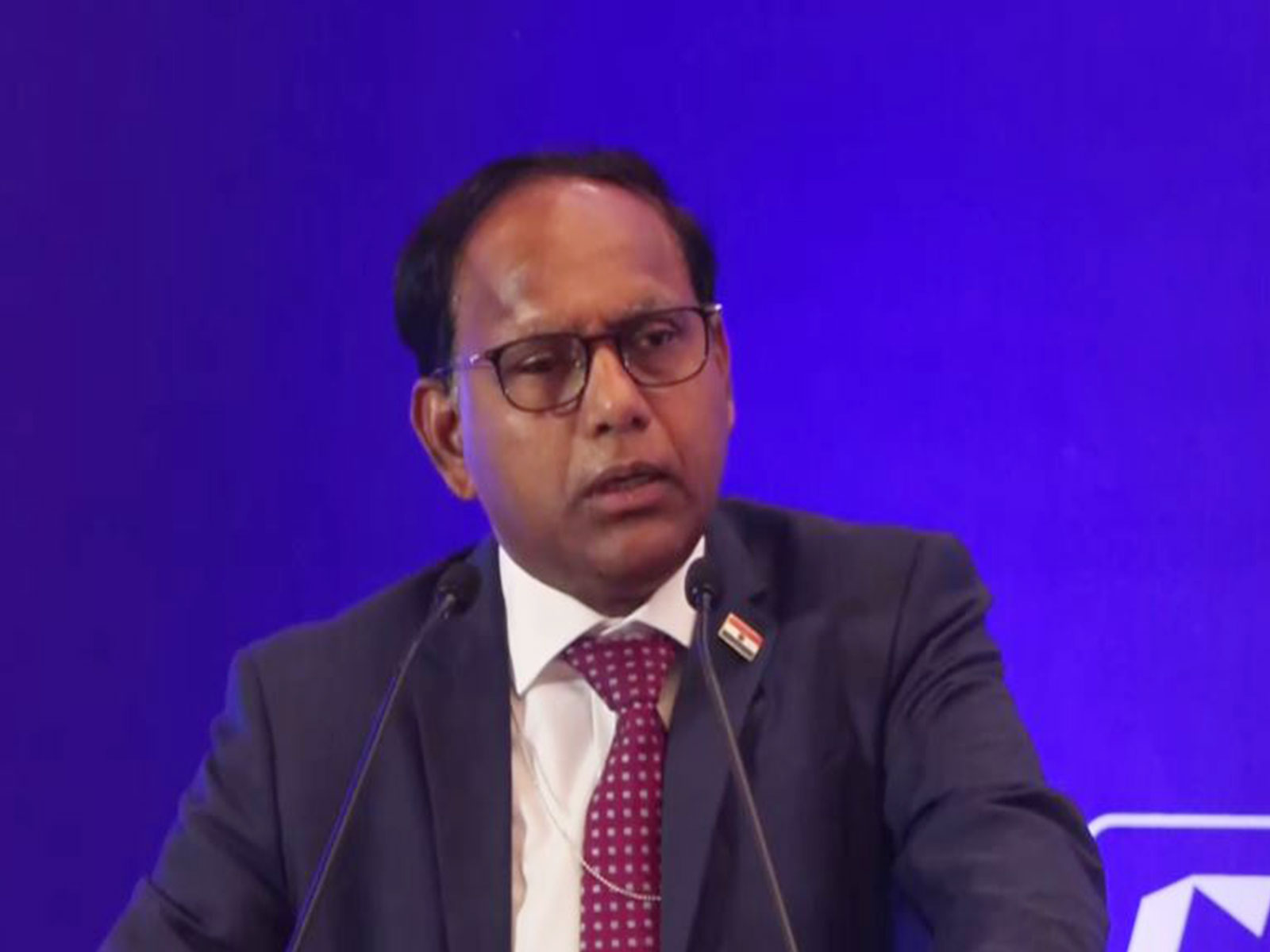
New Delhi [India], February 2 : Zerodha founder and CEO Nithin Kamath has said the hike in the Securities Transaction Tax (STT) announced in the Union Budget 2026 is unlikely to reduce speculative activity in India's derivatives markets.
In a post on social media platform X, Kamath said, "if the goal was to reduce speculative activity in F&O, then I'm not sure this will do anything."
He noted that 95% of trading is already in options, and this STT increase will only push that share higher. "Why? Because the impact falls mostly on futures, while options are far more speculative than futures."
Kamath suggested that instead of repeatedly raising transaction taxes, regulators should consider introducing product suitability norms to determine who is eligible to trade complex derivatives.
"I know it's an unpopular opinion, but this will remove a lot of uncertainty among brokers and traders. It's a much better approach than a death by a thousand STT hikes," he said.
He also warned that continued increases in STT could eventually lead to a meaningful decline in trading volumes. "The other problem with the uncertainty from steady STT hikes is that, at some point, you'll start seeing a material impact on trading volumes because transaction costs make trading unviable. You're already kind of seeing that with futures."
Sharing an older post, Kamath highlighted that STT is the largest tax paid by traders and is significantly higher than brokerage fees. At Zerodha, he said, the amount of STT collected and passed on to the government exceeds the brokerage revenue earned by the firm.
Kamath pointed out that trading volumes are highly sensitive to STT levels and that the tax structure has historically influenced whether traders prefer cash equities, futures, or options. He attributed the surge in options trading partly to changes made in 2008, when STT on options shifted from being levied on contract value to being charged on the premium amount, making options significantly cheaper to trade than futures.
"Until 2008, it was almost impossible to trade options due to STT," he said, adding that the reduction in options STT was a key factor behind the growth of Zerodha itself, as the firm anticipated a sharp rise in options trading volumes.
He further noted that successive STT changes have had a larger negative impact on cash equities and futures than on options, since STT on cash and futures is charged on total contract value. Additional factors such as the introduction of weekly expiries and restrictions on intraday leverage for stocks have also fuelled the rapid growth in options volumes, Kamath said.
While stating that eliminating STT altogether may not be feasible, Kamath suggested that lowering STT for cash and futures and increasing intraday leverage limits could help rebalance market activity. "Increasing cash and futures volumes is a much better strategy than trying to reduce options volumes," he said.