Studying implications of US Supreme Court judgement, Trump Administration decisions: Commerce Ministry
Feb 21, 2026
New Delhi [India], February 21 : The government said on Saturday that it is studying the implications of the US Supreme Court judgement on tariffs and the steps announced by the President Trump Administration.
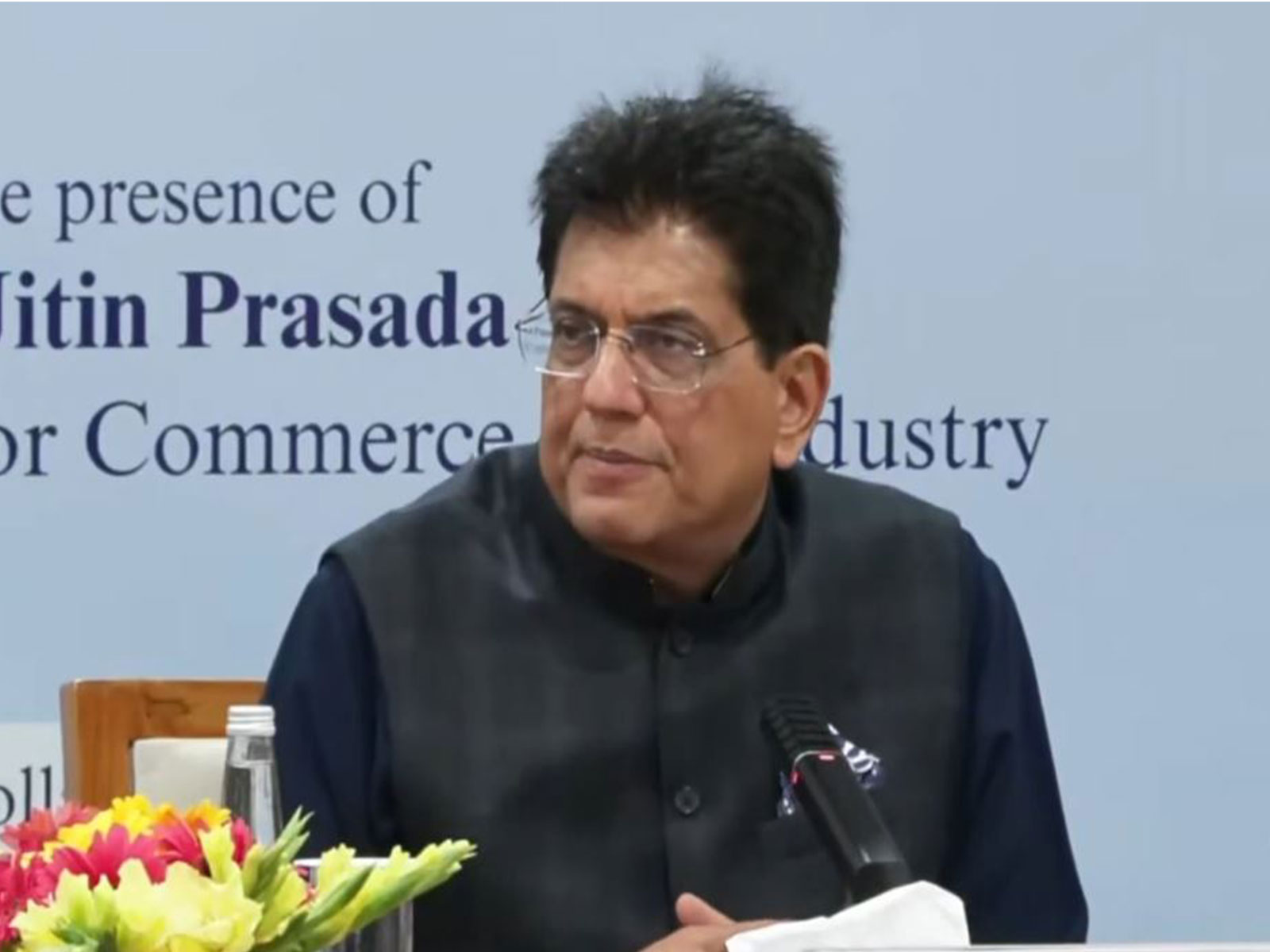
"We have noted the US Supreme Court judgement on tariffs yesterday. President Trump has also addressed a press conference in that regard. Some steps have been announced by the US Administration. We are studying all these developments for their implications," the Commerce and Industry Ministry said in a brief statement.
In a major blow to US President Donald Trump's signature trade policy, the US Supreme Court on Friday ruled against most of his sweeping tariff measures. Trump later signed an order making 10 per cent global tariff on all countries, effective "almost immediately".
A White House official told ANI that India is expected to pay this tariff, and this new tariff will remain in place until another authority is invoked, emphasising the expectation that trade partners abide by US trade deals.
"Yes, 10% until another authority is invoked," a White House Official stated when asked whether India will have to pay 10 per cent tariffs and whether they will replace previous tariffs under the International Emergency Economic Powers Act (IEEPA), the official said.
The official also advised all the trade partners to abide by the trade deals.
The US Supreme Court ruled 6-3 that the Trump administration exceeded its legal authority by using the International Emergency Economic Powers Act (IEEPA) of 1977 to impose broad-based import tariffs.
Terming SC's ruling as a "terrible decision", Trump announced he would sign an executive order for a 10% global tariff under Section 122 of the Trade Act of 1974.
This authority allows for a temporary import surcharge (up to 15%) for 150 days to address balance-of-payments deficits.
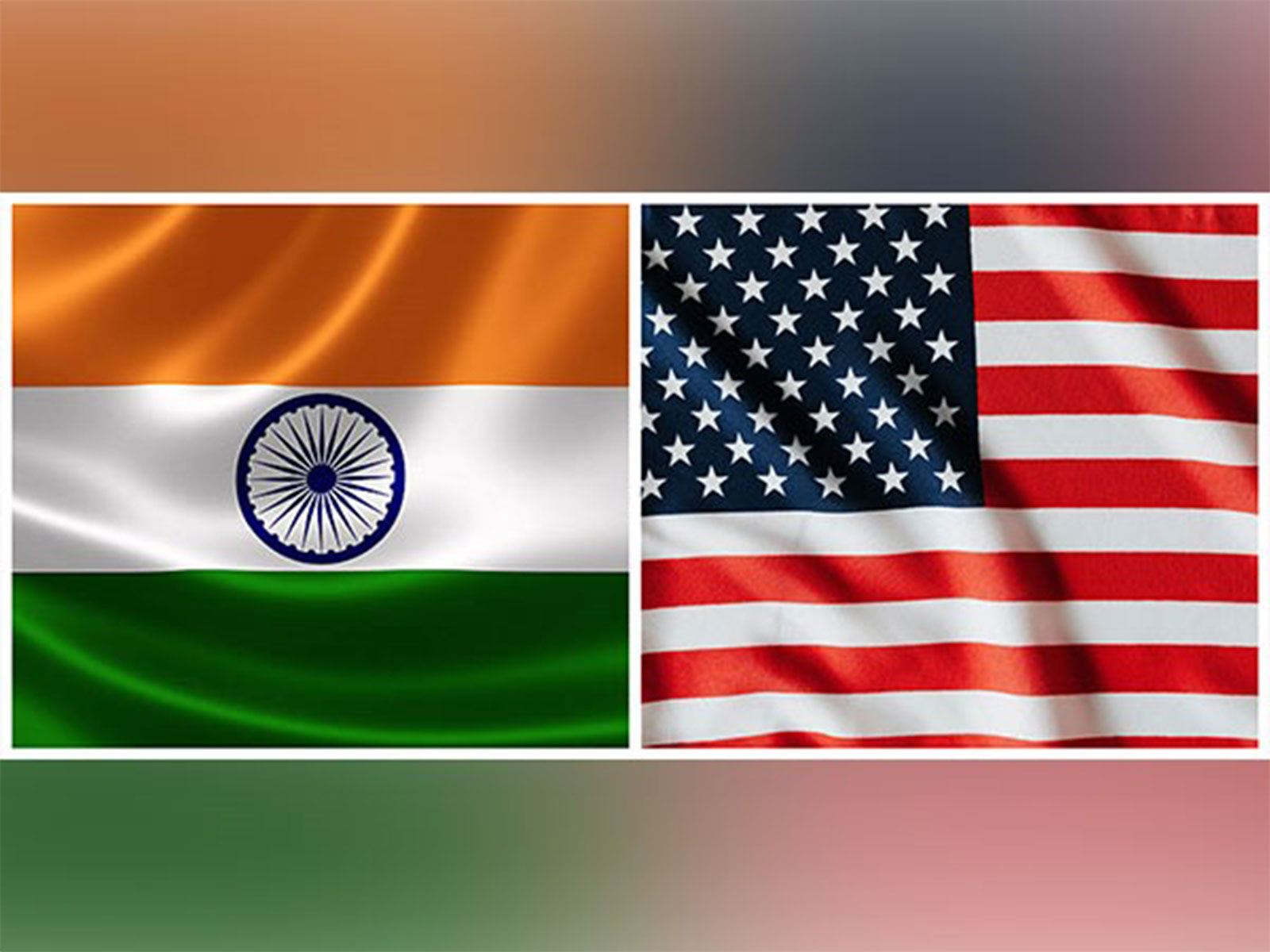
India and the United States had on February 7 announced that they have reached a framework for an Interim Agreement regarding reciprocal and mutually beneficial trade (Interim Agreement).
The framework reaffirmed the countries' commitment to the broader US-India Bilateral Trade Agreement (BTA) negotiations, which will include additional market access commitments and support more resilient supply chains.
The Interim Agreement between the United States and India will represent a historic milestone in our countries' partnership, demonstrating a common commitment to reciprocal and balanced trade based on mutual interests and concrete outcomes, a joint statement said.
Key terms of Interim Agreement included India eliminating or reducing tariffs on all US industrial goods and a wide range of US food and agricultural products, including dried distillers' grains (DDGs), red sorghum for animal feed, tree nuts, fresh and processed fruit, soybean oil, wine and spirits, and additional products.
It said the United States will apply a reciprocal tariff rate of 18 percent under Executive Order 14257 of April 2, 2025 as amended, on originating goods of India, including textile and apparel, leather and footwear, plastic and rubber, organic chemicals, home decor, artisanal products, and certain machinery.
It said that subject to the successful conclusion of the Interim Agreement, US will remove the reciprocal tariff on a wide range of goods, including generic pharmaceuticals, gems and diamonds, and aircraft parts.
US had earlier imposed a 50 per cent tariff on Indian goods, including 25 per cent penalty for importing oil from Russia.