Sugar exports may be capped, surplus stocks to be diverted to Ethanol: Food Secretary
Apr 07, 2026
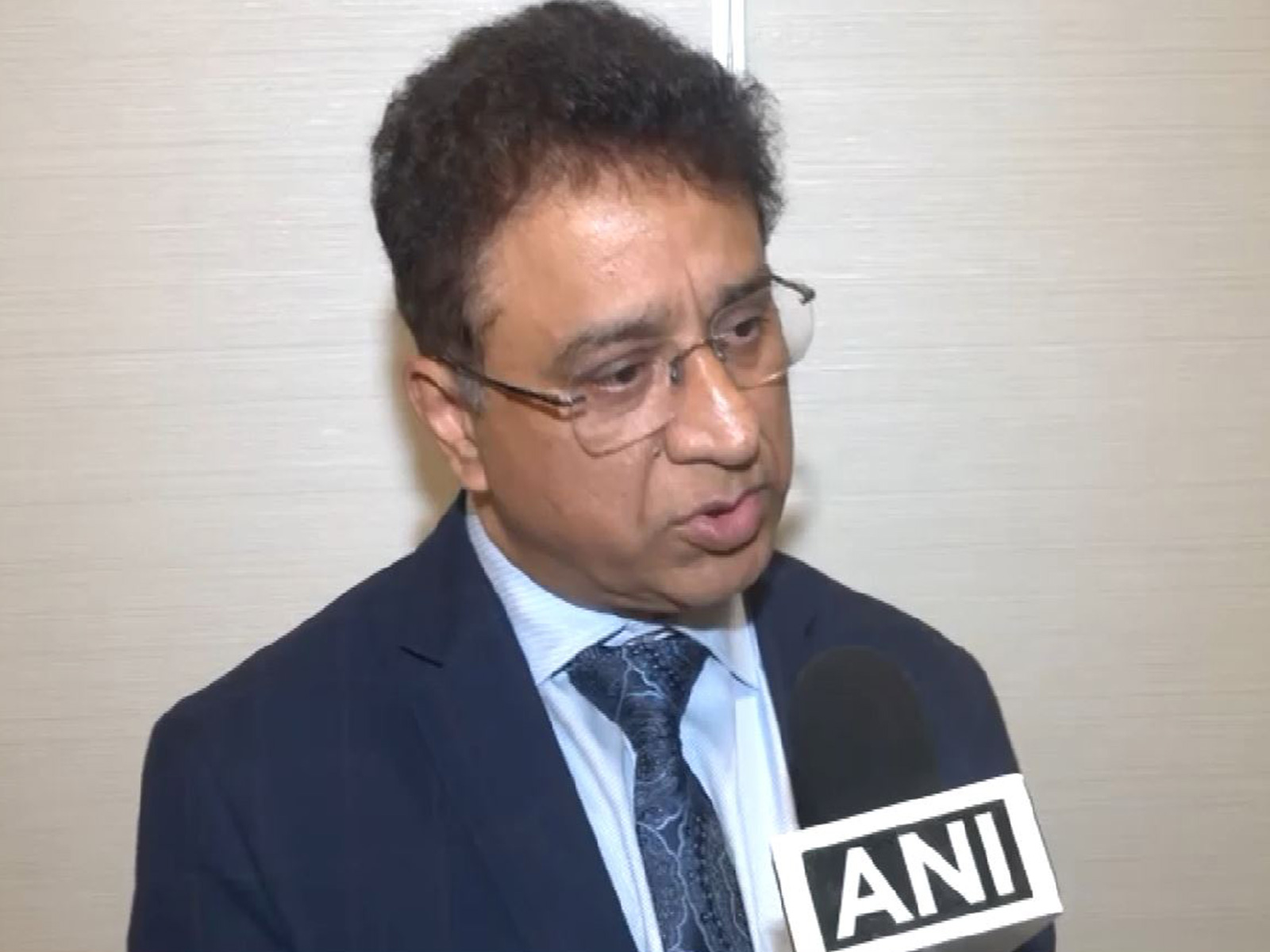
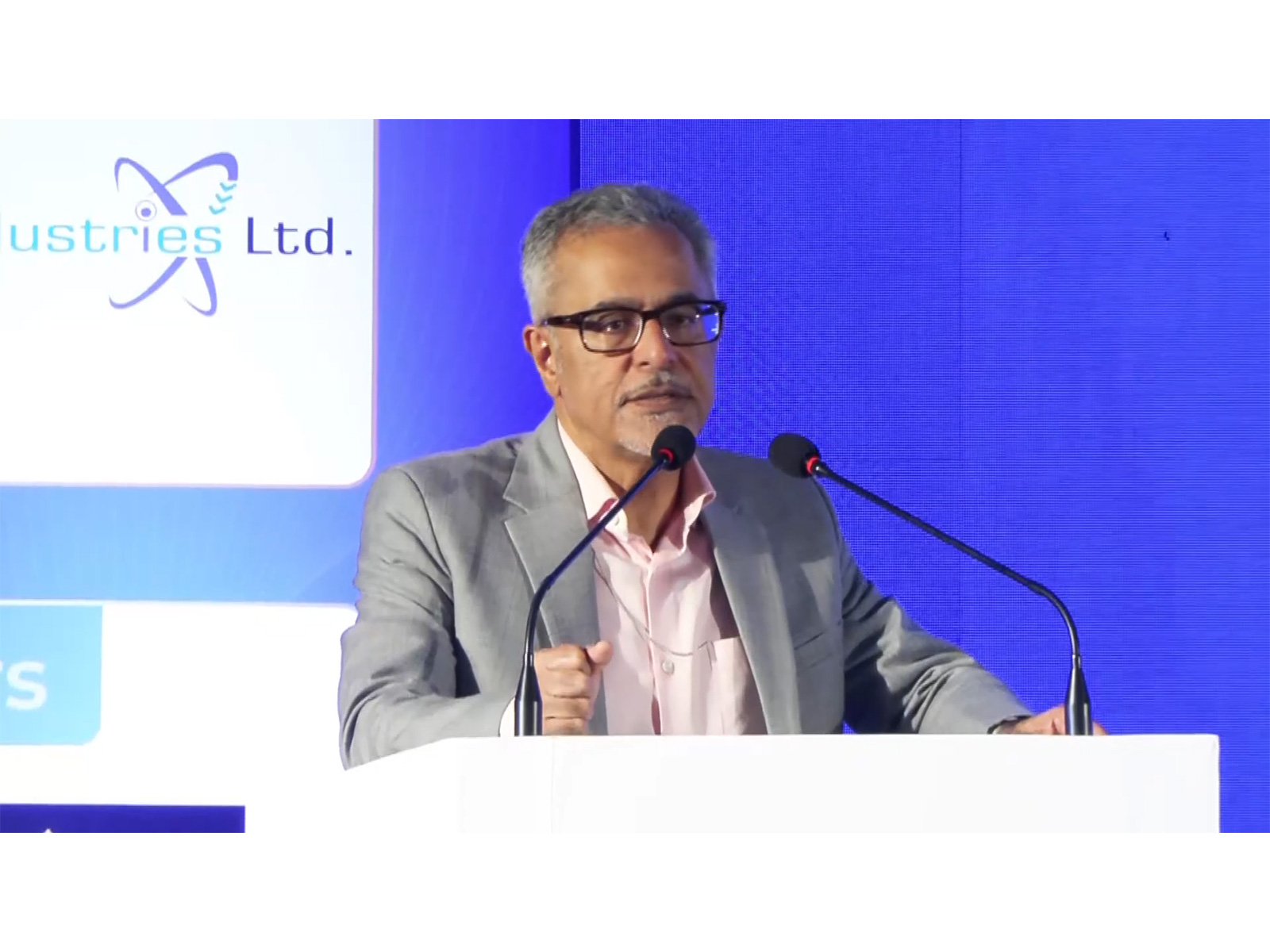
New Delhi [India], April 7 : The government may cap sugar exports if the approved quota is not fully utilised, with surplus supplies likely to be diverted towards ethanol or carried forward as stock, Sanjeev Chopra, Secretary, Department of Food and Public Distribution, said today.
"If it is not exported, then the export will be capped so that it can be diverted towards Ethanol," Chopra said on the sidelines of the ISMA SugarNXT 2026, adding, "If it is not exported, then it will remain with us in terms of the closing balance."
The government had earlier approved exports of 1.5 million tonnes of sugar for the current season, of which a portion has already been shipped. However, exports continue to face challenges due to parity issues, even as global prices have firmed up in recent weeks.
"Export parity is also an issue. But, since the war started in West Asia, the prices have been firming up," he said, noting that this has provided some support to outbound shipments.
Despite this, it remains uncertain whether the entire approved quantity will be exported, prompting the government to consider alternative utilisation of surplus sugar, including higher diversion towards ethanol.
India's ethanol blending programme has emerged as a key policy tool in managing excess sugar supplies while reducing dependence on crude oil imports. The country has achieved 20% blending, with discussions underway on further increasing the blending ratio.
"There is a demand to increase ethanol blending... whether we increase the ethanol blending percentage or look at other avenues," Chopra said.
A committee comprising officials from the Ministry of Petroleum and Natural Gas (MoPNG), the food ministry and the Ministry of Heavy Industries has been set up to examine the way forward on increasing blending levels.
"So, for that, a committee has been formed which is thinking about it... before the ethanol season begins, probably we will have some news coming in that as well," he said.
India currently has ethanol production capacity of around 2,000 crore litres, with surplus capacity prompting the government to explore additional applications, including flex-fuel vehicles.
The ethanol programme has delivered significant economic benefits, with savings of about Rs 1.65 lakh crore in foreign exchange since 2014-15 due to reduced crude oil imports.
"This is the savings of 1.65 lakh crores approximately which the country has witnessed on account of the ethanol blending program," Chopra said.
In the domestic market, sugar prices have remained stable, with limited inflationary pressures.
"Prices have been stable. There has been hardly an inflation of 3% in sugar prices," he said, adding that no sharp spike in prices is expected.
On production, net sugar output after ethanol diversion is estimated at around 320-325 lakh tonnes, with about 35 lakh tonnes expected to be diverted towards ethanol.
Meanwhile, the government said there is currently no proposal to ban sugar exports, countering recent media reports. "As of now, there is no such proposal," Chopra said.
On pricing policy, the industry's demand for a hike in the minimum selling price (MSP) is under consideration.
"MSP is in demand... we are thinking about it and at the right time, it will be decided," he said.
The official added that sugarcane acreage remains under control, with no significant increase expected, while wheat crop conditions remain favourable.