Supreme Court issues notice in Haryana DSP seniority dispute; UPSC impleaded as respondent
Jan 13, 2026
New Delhi [India], January 13 : Former Indian cricketer Joginder Sharma and former international wrestler Geetika Jakhar, both serving as Deputy Superintendents of Police (DSPs) in Haryana under the Outstanding Sportsperson category, have approached the Supreme Court of India challenging a judgment of the Punjab and Haryana High Court that denied them seniority from the date of their initial appointment.
The High Court, by its decision, had upheld the State of Haryana's position that the two officers could not be granted seniority from the date of appointment as their confirmations were delayed by nearly 15 years owing to non-completion of mandatory police training.
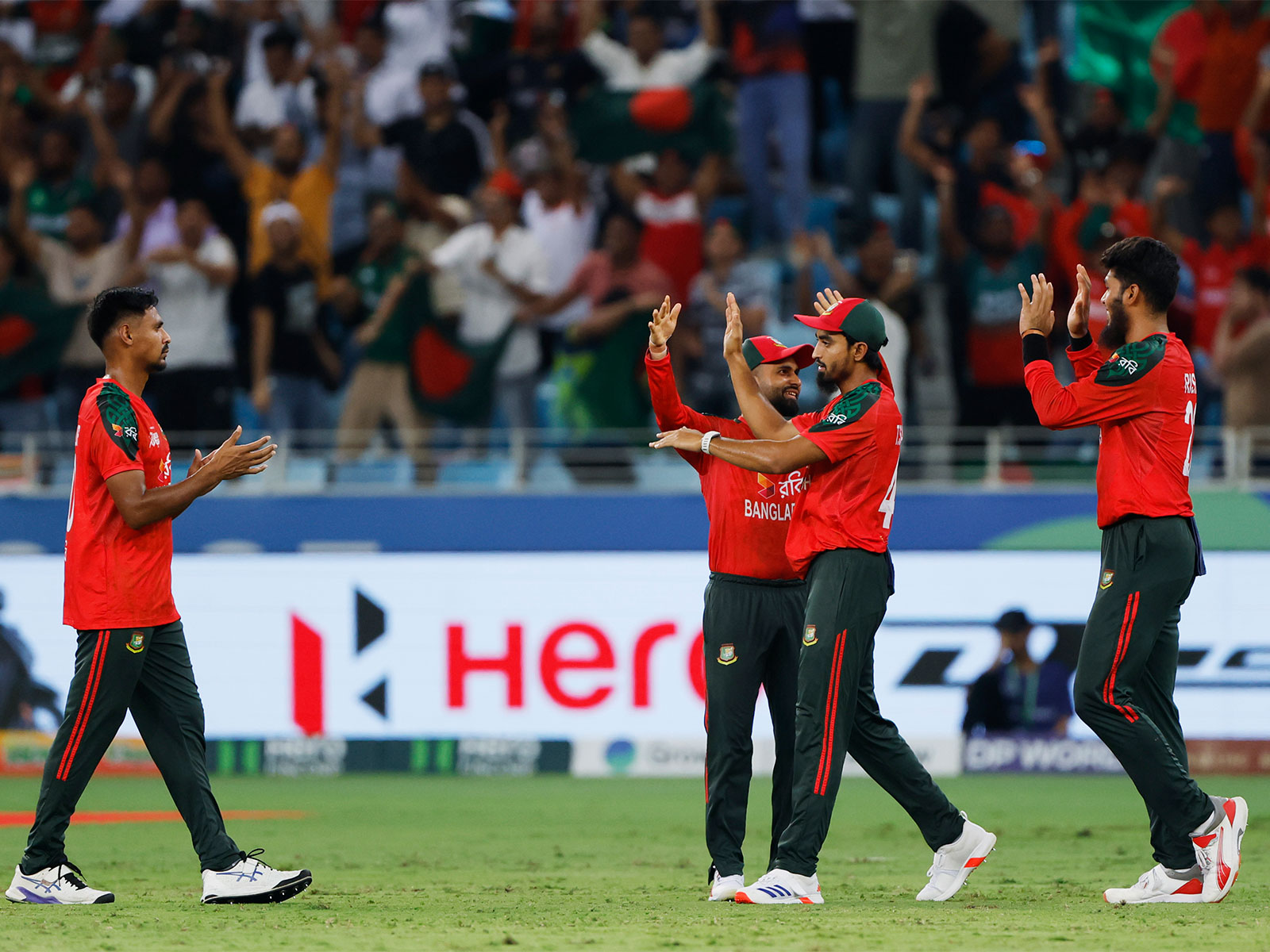
The delay, however, occurred during the period when both officers were representing the State and the country in national and international sporting events.
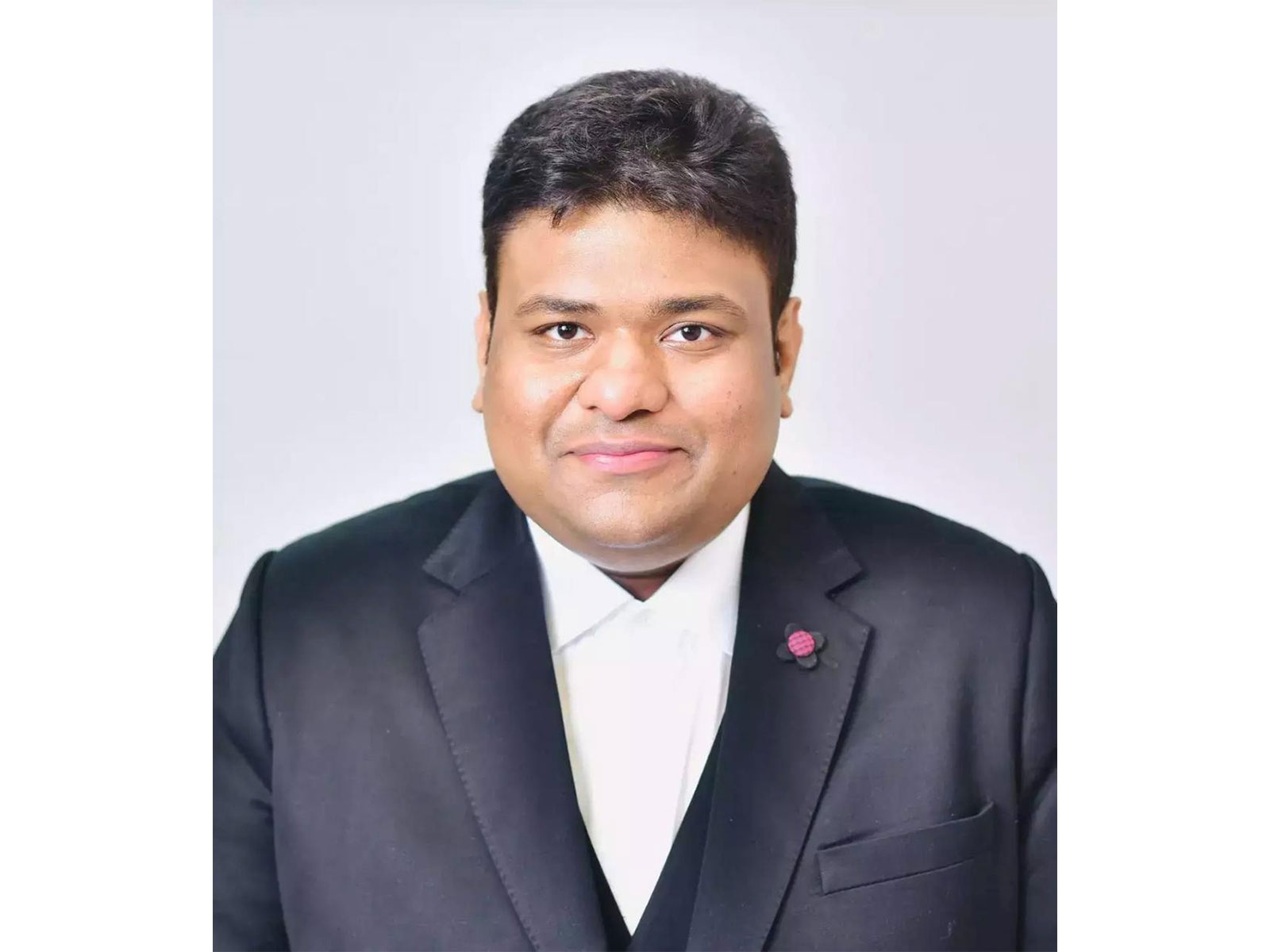
Appearing for the petitioners, Prateek Som has contended that the High Court failed to appreciate the unique circumstances in which the delay in training occurred, as the officers were relieved under official directions to represent Haryana and India in sports, an activity recognised as official duty under State policy.
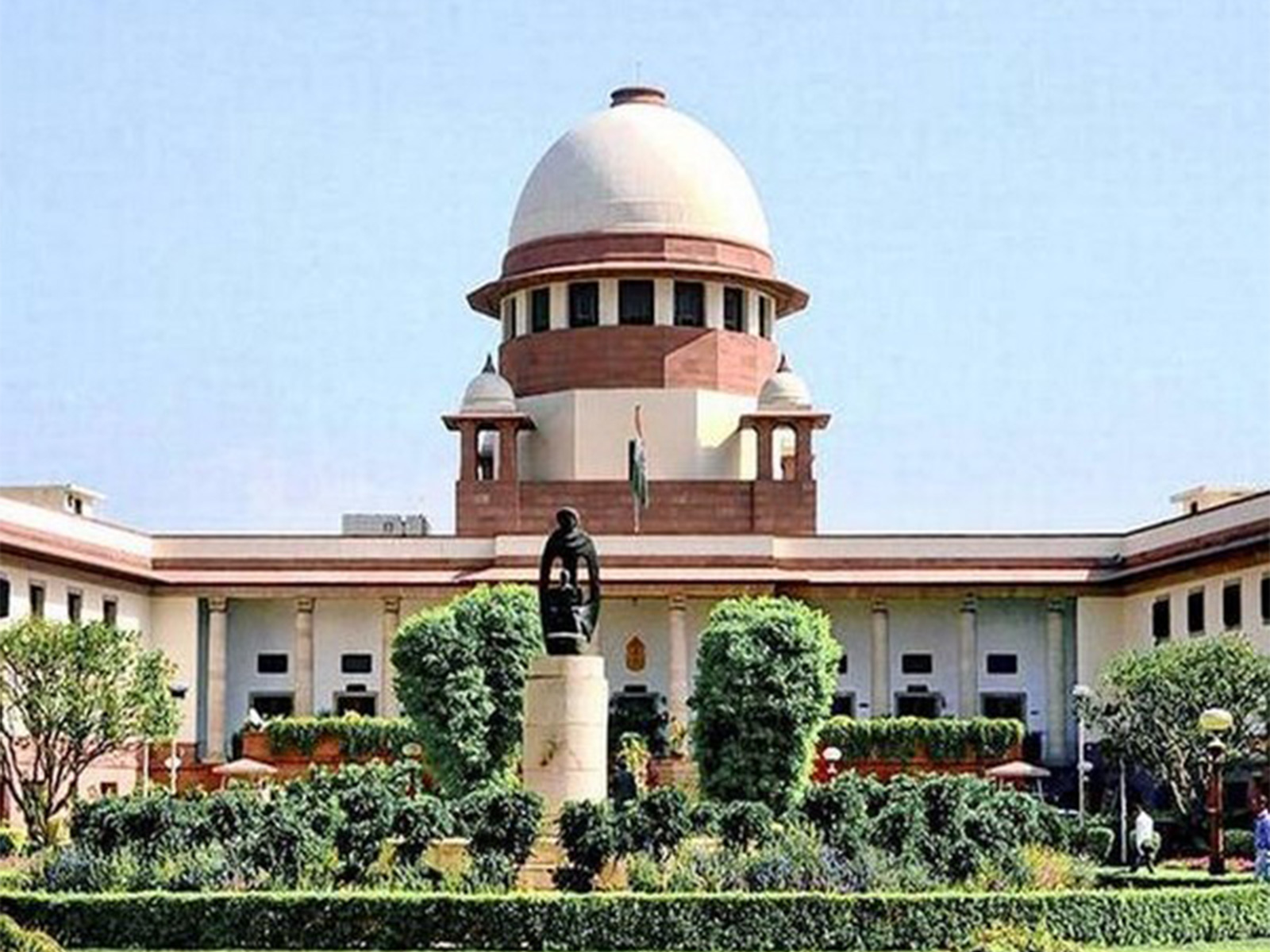
Hearing the Special Leave Petitions, the Supreme Court bench headed by the Chief Justice of India directed the issuance of notice to the State of Haryana and ordered that the Union Public Service Commission (UPSC) be impleaded as a respondent in the matter. The apex court further ordered that any induction to the Indian Police Service (IPS) from the cadre of DSPs in Haryana shall be subject to the final outcome of the petitions.
The petitions assail the High Court's interpretation of the Haryana Police Service Rules, 2002, under which seniority was confined to the date of confirmation rather than the date of appointment.
The petitioners have argued that the High Court overlooked the fact that they were relieved from training and probation under express government directions to continue representing the State and the nation in sports, an activity officially recognised as "duty" under State policy. As a result, they contend, the delay in completion of training was neither voluntary nor attributable to any fault on their part.
According to the petitioners, the State adopted a contradictory approach by treating their service as continuous and regular for the purposes of career progression, granting them Assured Career Progression (ACP) benefits over the years, while simultaneously denying them seniority on the grounds of delayed confirmation. They have claimed that this selective application of the rules results in arbitrariness and violates Articles 14 and 16 of the Constitution.
Arguing before the Supreme Court, Advocate Prateek Som for the petitioners submitted that the High Court's reasoning effectively expected the officers to be in two places at the same time, undergoing police training while also competing in national and international sporting events on the State's directions. He emphasised that once the State had acknowledged their uninterrupted service and granted them promotional benefits, it could not deny seniority on a purely technical interpretation of the rules.