Syria issues historic decree recognising Kurdish language, rights in push for national inclusion
Jan 17, 2026
Damascus [Syria], January 17 : Syrian interim President Ahmed al-Sharaa has issued a landmark presidential decree that for the first time formally recognises the rights of the country's Kurdish minority, including recognising the Kurdish language as a national language and restoring citizenship to previously stateless Kurdish Syrians, reported Al Jazeera.
The move, announced on FRiday amid ongoing tensions in the country's north, is being described by officials as a major step toward addressing decades of marginalisation and integrating Kurds more fully into Syria's national framework.
Decree No. 13 of 2026 declares Syrians of Kurdish origin an "essential and integral part" of the Syrian people and affirms that their cultural and linguistic identity is an inseparable component of the nation's diverse identity. Under the decree, the Kurdish language is designated a national language alongside Arabic and may be taught in public and private schools in areas where Kurdish communities are significant.
In a symbolic gesture, the decree also makes Nowruz, the Kurdish New Year celebrated on March 21, a paid official public holiday nationwide, describing it as a national celebration of spring and fraternity. The government has committed to protecting cultural and linguistic diversity and to safeguarding the rights of Kurds to preserve their heritage and arts while developing their mother tongue within the framework of Syria's sovereignty, reported Al Jazeera.
Another key component of the decree is the abolition of discriminatory laws and measures dating back to a controversial 1962 census in Hasakah province, which stripped many Kurds of Syrian nationality. The new decree grants full citizenship and equal rights to all Kurdish Syrians, including those previously registered as stateless.
The decree also prohibits ethnic or linguistic discrimination and requires state institutions and media to adopt an inclusive national discourse. Penalties are stipulated for those who incite ethnic strife, reflecting an official push toward national unity after more than a decade of conflict.
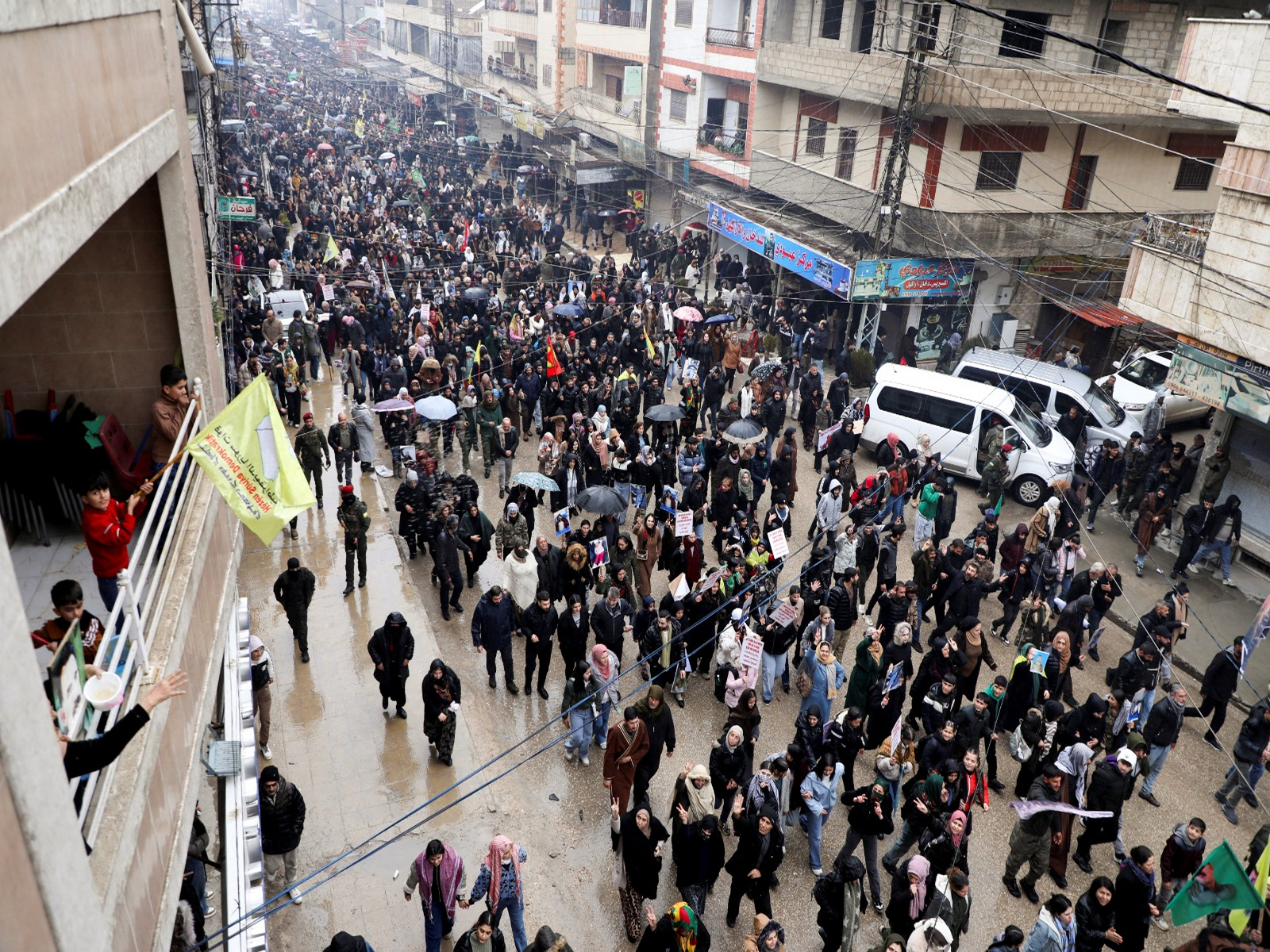
However, the decree comes against a backdrop of continued conflict and mistrust. Recent fierce clashes between government forces and the Kurdish-led Syrian Democratic Forces (SDF) in northern Aleppo left at least 23 people dead and displaced hundreds of thousands, underscoring persistent tensions. Negotiations between Damascus and Kurdish authorities to integrate Kurdish civil and military structures into the Syrian state have made limited progress, and many observers remain cautious about whether the decree will translate into lasting peace or tangible changes on the ground.
Despite these challenges, Syrian officials and Kurdish representatives alike have hailed the decree as historic, marking the first formal recognition of Kurdish rights since Syria's independence in 1946.