Tamil Nadu: CM MK Stalin engages with Kanniyakumari residents ahead of assembly polls
Apr 04, 2026
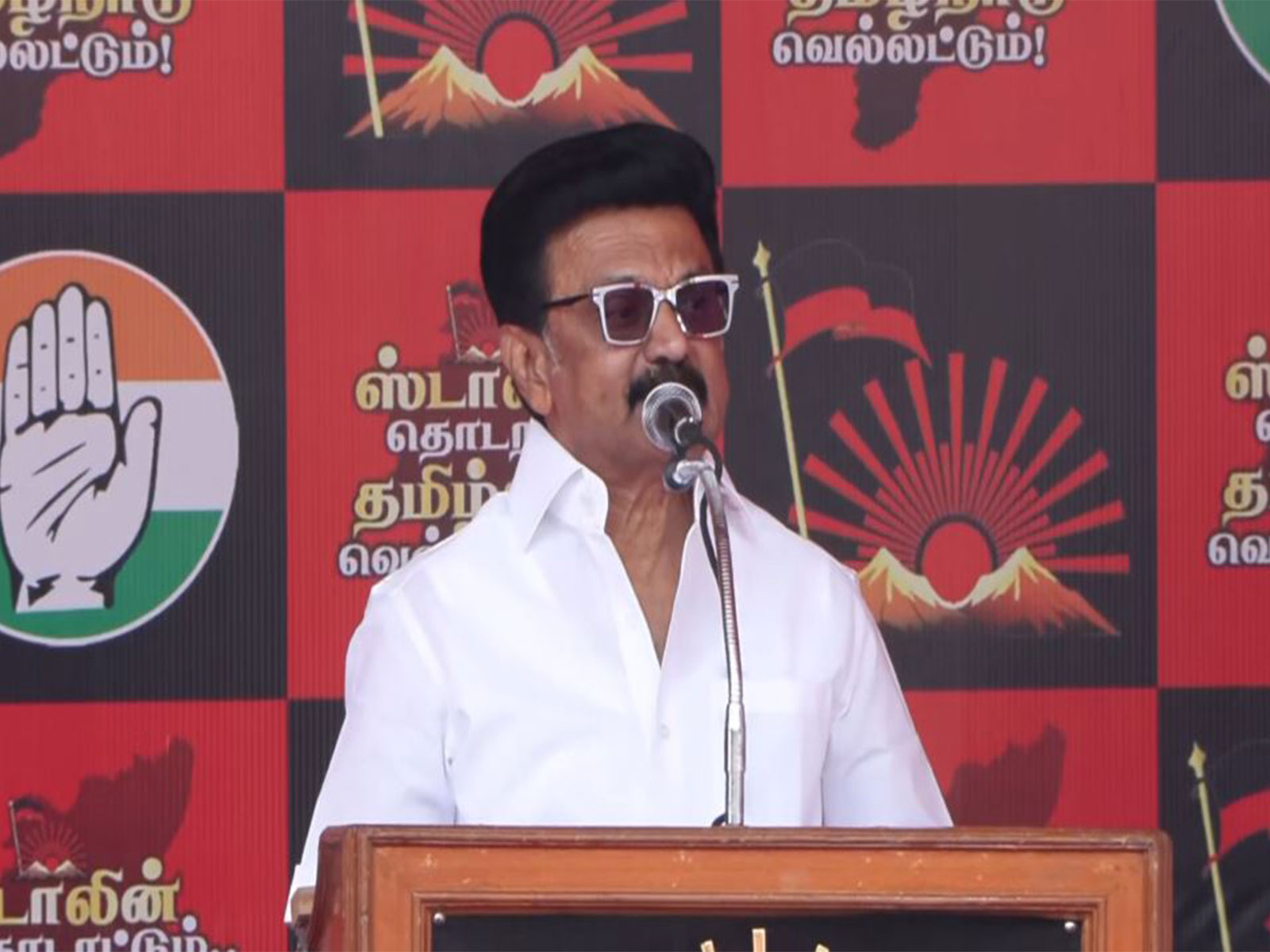
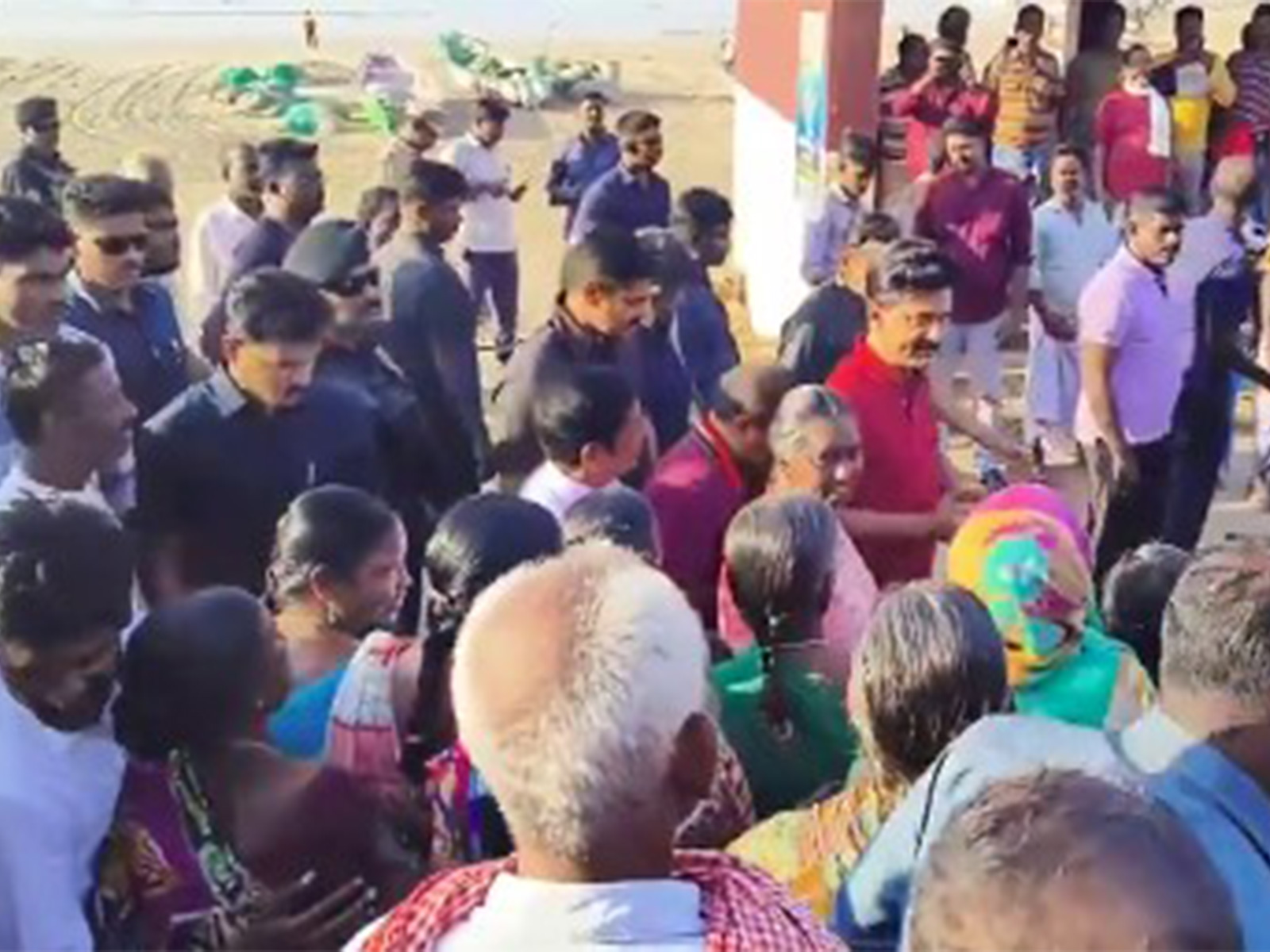
Kanniyakumari (Tamil Nadu) [India], April 4 : Dravida Munnetra Kazhagam (DMK) President and Tamil Nadu Chief Minister MK Stalin, on Saturday, during his morning walk in Kanniyakumari, interacted with locals and the fishing community while carrying out campaign activities.
Meanwhile, earlier today, he criticised the Central Board of Secondary Education's (CBSE) new curriculum framework, calling it a "calculated attempt at linguistic imposition" that prioritises Hindi over regional languages.
CM Stalin said the policy undermines federalism, marginalises non-Hindi-speaking states and places an undue burden on students and teachers, urging the Union government to respect India's linguistic diversity and protect the rights of students across states.
CBSE is set to introduce a phased three-language policy from the 2026-27 academic year, beginning with Class 6. The policy requires students to learn an additional language, with at least two of the three being Indian languages.
In a post on X, CM Stalin wrote, "The recently unveiled curriculum framework by the Central Board of Secondary Education, aligned with the National Education Policy 2020, is not an innocent academic reform--it is a calculated and deeply concerning attempt at linguistic imposition that vindicates our long-standing apprehensions. Under the guise of promoting "Indian languages," the BJP-led NDA government is aggressively advancing a centralising agenda that privileges Hindi while systematically marginalising India's rich and diverse linguistic heritage. The so-called three-language formula is, in reality, a covert mechanism to expand Hindi into non-Hindi-speaking regions."
The chief minister criticised the Union government's curriculum framework, saying it structurally privileges Hindi-speaking students and undermines fairness, federalism and regional equality.
He warned that such policies threaten India's linguistic diversity and called on the AIADMK and its NDA allies in Tamil Nadu to stand up for students' rights and regional identity.
"For students in southern states, this framework effectively translates into compulsory Hindi learning. Yet, where is the reciprocity? Will students in Hindi-speaking states be mandated to learn Tamil, Telugu, Kannada, Malayalam, or even languages like Bengali and Marathi? The complete absence of such clarity exposes the one-sided and discriminatory nature of this policy. The irony is stark and unacceptable. The same Union government that has failed to make Tamil a mandatory language in Kendriya Vidyalaya Sangathan schools--and has consistently failed to appoint adequate Tamil teachers--now seeks to lecture states on promoting Indian languages. This is not commitment; this is rank hypocrisy," the post read.
"The Union government appears determined to impose Hindi, brushing aside the legitimate, consistent, and democratic concerns raised by Tamil Nadu and several other states. This approach is a direct affront to the principles of cooperative federalism and an insult to the linguistic identity of millions of Indians. Does the Thiru Palaniswami-led AIADMK and its NDA allies in Tamil Nadu subscribe to this imposition? Or will they, for once, stand up for the rights, identity, and future of our students?" the post read.
Tamil Nadu will hold elections in a single phase on April 23, with counting scheduled for May 4. The last date for filing nominations is April 6. Scrutiny will take place on April 7, and the final date for withdrawal of candidatures is April 9.
The main electoral contest is expected between the DMK-led Secular Progressive Alliance (SPA), which includes Congress, DMDK, and other parties. Looking to unseat the ruling alliance are the National Democratic Alliance (NDA), led by All India Anna Dravida Munnetra Kazhagam (AIADMK) with BJP and Pattali Makkal Katchi (PMK) as allies.