Tamil Nadu Ministers participate in DMK booth-level agents' consultative meeting held at Yelagiri Hills
Jan 27, 2026
Tirupattur (Tamil Nadu) [India], January 27 : Four Tamil Nadu Ministers participated in a consultative meeting of DMK booth-level agents and district secretaries held at Yelagiri Hills in Tirupattur district as part of preparations for Chief Minister MK Stalin's proposed interaction with booth-level agents and booth committee members on February 14.
The meeting is being organised ahead of the Chief Minister's scheduled visit to Mandalavadi in Tirupattur taluk, where representatives from 41 Assembly constituencies across the state are expected to take part in the interaction.
The consultative meeting is being held at a private resort near Athanavur in the Yelagiri Hills and is chaired by Minister for Public Works and Highways EV Velu. Ministers Gandhi (Handlooms and Textiles), Chakrapani (Food and Civil Supplies), and Rajendran (Tourism) are also attending, taking the total number of ministers present to four. Along with them, 71 DMK district secretaries from different parts of Tamil Nadu are participating in the discussions.
Sources said the meeting focused on making arrangements for the Chief Minister's visit and planning a large-scale reception on February 14. The event is being planned on the lines of a political conference rather than a routine party meeting, with emphasis on coordination and logistics.
Discussions also centred on strengthening booth-level organisational structures, improving coordination among party workers, and mobilising cadres effectively. Party leaders reviewed strategies to enhance grassroots-level engagement and organisational preparedness ahead of upcoming political activities and electoral exercises.
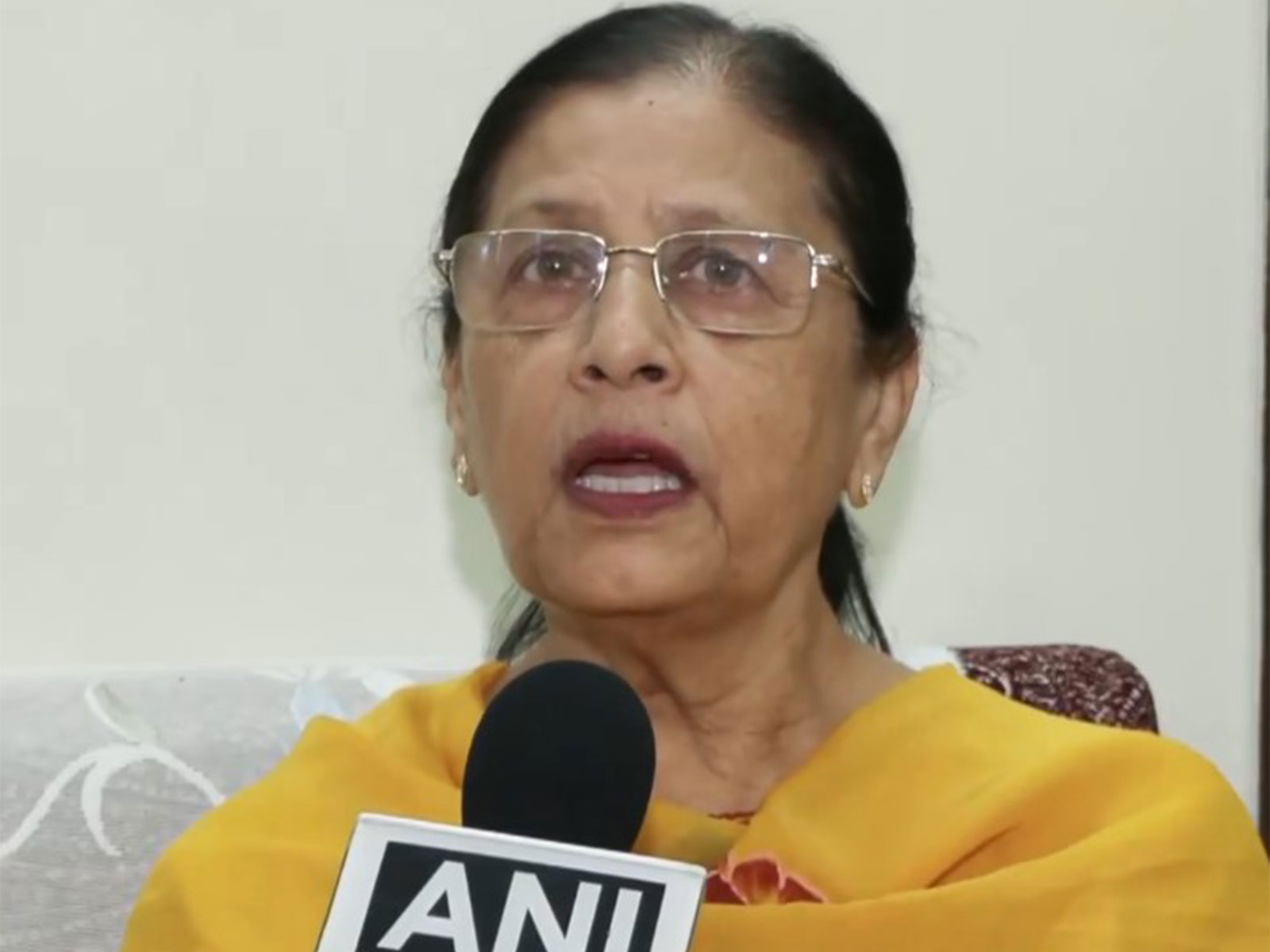
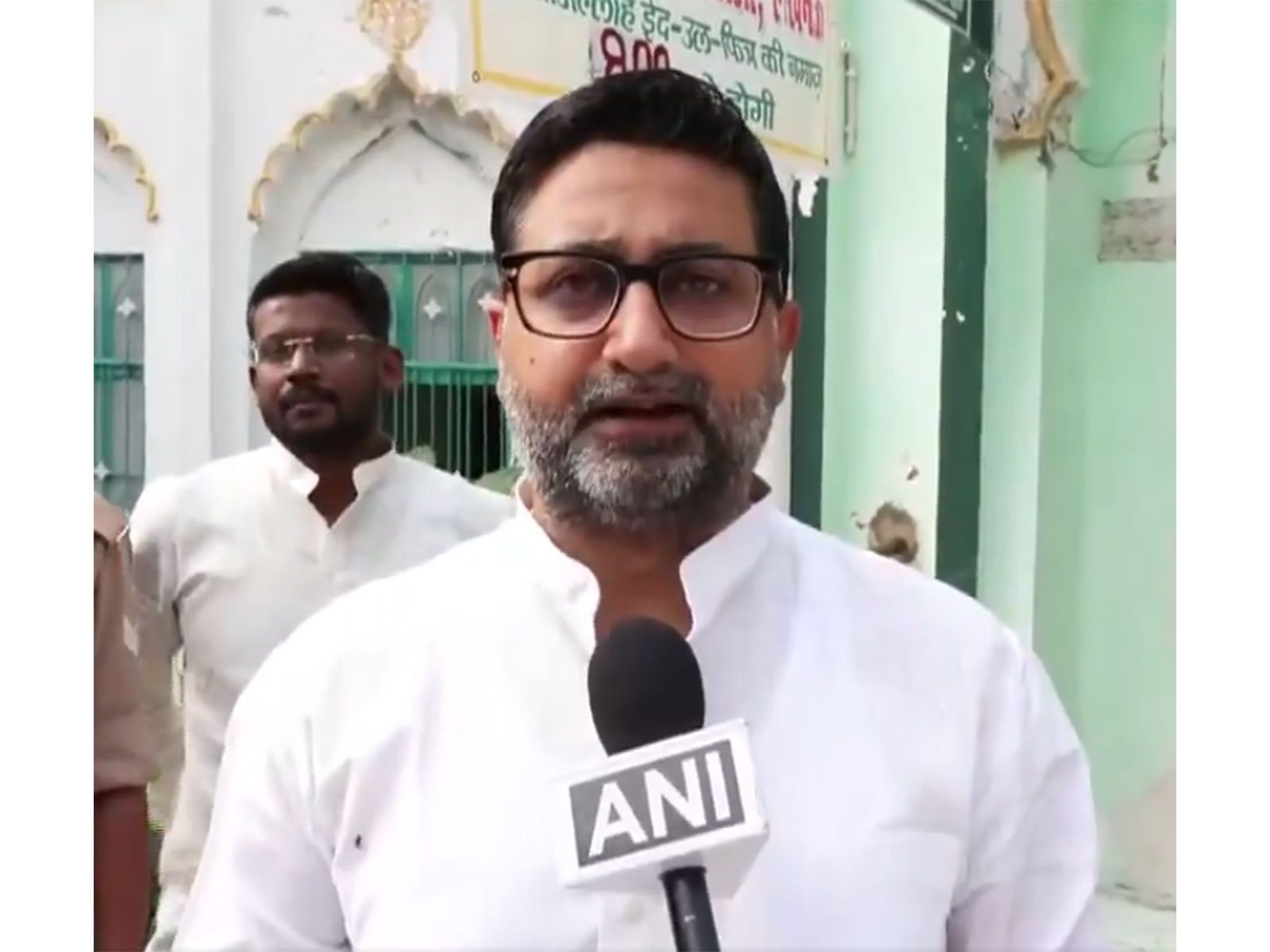
Meanwhile, DMK spokesperson Saravanan Annadurai on Monday opposed the alleged imposition of Hindi, while agreeing with Tamil Nadu Deputy Chief Minister Udhayanidhi Stalin's recent statements against "Hindi imposition". Speaking to ANI, he referred to the alleged waning influence of other Indian languages such as Odia, Bihari, Rajasthani, and Gujarati due to the advent of Hindi, saying that Hindi imposition effectively treats people like second-class citizens and strips away the cultural identity of certain sections of society.