Thai PM calls for overhaul of border MoUs with Cambodia amid poll campaign tensions
Jan 11, 2026
Bangkok [Thailand], January 11 : Thai Prime Minister Anutin Charnvirakul has renewed calls for a fundamental review of two long-standing memorandums of understanding (MoUs) with Cambodia governing unresolved land and maritime border disputes, arguing that advances in technology and internationally recognised standards make the existing frameworks outdated, reports Bangkok Post.
Speaking this week, Anutin said the MoU signed in 2000, which covers land border demarcation, and the one signed in 2001, dealing with overlapping maritime areas, should be revised or replaced altogether. He suggested a new, updated framework -- potentially under a different title -- that would reflect modern surveying methods and clearer legal principles.
However, Anutin stressed that his caretaker administration could not push through binding changes, as parliament has already been dissolved ahead of fresh elections. The government's immediate responsibility, he said, was to preserve stability and prevent confusion until a new administration takes office, reported Bangkok Post.
The prime minister also addressed the broader security situation along the Thai-Cambodian border, saying he had been informed that "conditions were calm and under control, though authorities remained on alert following recent clashes."
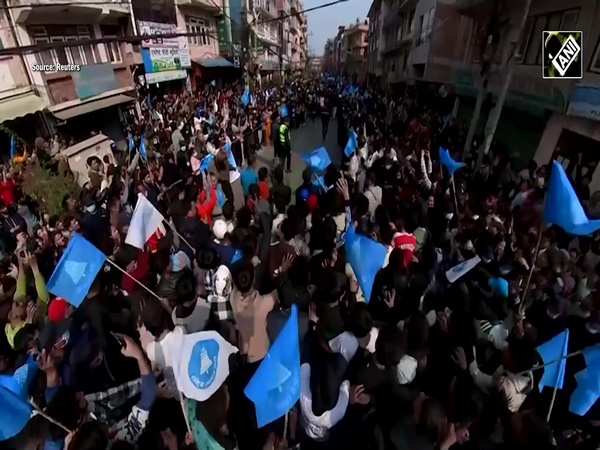
Border issues have become a prominent campaign topic in Thailand as political parties mobilise ahead of the next election. On Saturday, Thai Pakdee Party leader Warong Dechgitvigrom and the party's Bangkok District 2 candidate, Isaraporn Narin, staged a campaign event in central Bangkok, criticising the use of Cambodia's preferred 1:200,000-scale maps. Warong argued that such maps were inaccurate and ignored historical evidence supporting Thailand's interpretation of the watershed line, evidence he said had been recognised by the International Court of Justice.
He also questioned the application of LiDAR technology, claiming that measuring the current watershed using the method had resulted in Thailand losing territory on the far side of mountain ranges. In his view, Cambodia stood to gain under MoU 43, explaining why Phnom Penh had pushed for urgent talks under the Joint Boundary Commission. He added that MoU 44 should be scrapped altogether.
Meanwhile, the United States has stepped in to support a fragile ceasefire between the two neighbours, announcing a US$45 million aid package aimed at reinforcing stability after weeks of deadly fighting, reported Al Jazeera.
Michael DeSombre, the US assistant secretary for East Asia, said Washington would provide US$20 million to help the two neighbouring countries combat drug trafficking and cybercrime, problems that have intensified along the border. An additional US$15 million will go towards border stabilisation and assistance for displaced civilians, while US$10 million has been earmarked for de-mining and the clearance of unexploded ordnance.
The funding is intended to support the implementation of the Kuala Lumpur Peace Accords, signed in October in the presence of US President Donald Trump.
Fighting between Thailand and Cambodia had renewed in July last year and then in December. After three weeks of fighting, defence ministers from both countries signed a renewed pact on December 27, committing to implement the October deal.
The ceasefire, agreed on December 27, ended nearly three weeks of fighting that left more than 100 people dead and forced over half a million from their homes on both sides of the border.
At the heart of the fighting lies competing claims over sections of their shared border, originally drawn during the colonial era. Several disputed areas include ancient temple ruins claimed by both Thailand and Cambodia.