The Tesseract that stayed: Five days after, the geometry of responsibility
Mar 18, 2026
By Suvir Saran
Mumbai (Maharashtra) [India], March 18 : On the 13th of March, I went to a theatre in Mumbai reluctantly, not unwillingly, but with the quiet resistance that cities like Mumbai, Delhi, New York, London, and Paris cultivate in those who live within them. When one exists inside a constant current of spectacle, stimulation becomes surplus.
You begin to ration wonder. You choose stillness over sensation, silence over spectacle. Invitations arrive like echoes, and often, instinct says no, not out of indifference, but out of preservation. There is only so much the soul can absorb before it begins to protect itself.
And so when Vinay Mishra, indefatigable, insistent, almost devotional in his persistence, called, messaged, reminded, nudged, and then nudged again, Joyce Arora and I did what urban survivors often do. We delayed. We deflected. We resisted. Until finally, we relented. We said yes not to the show, but to Vinay. That distinction matters, because we did not go seeking transformation. We went fulfilling obligation.
Even our arrival carried that quiet resistance. We avoided the red carpet--not out of disdain, but out of disinterest. The glare, the glitter, the choreography of cameras and curated appearances--we had no appetite for it that evening. We were dressed for it, yes, but not drawn to it. So we slipped in from the side, like conspirators in anonymity, hoping to witness quietly and leave quietly. A simple evening. In and out. Nothing more.
And then, something shifted.
Not suddenly, not spectacularly, but with a quiet inevitability, like a room slowly filling with light before you realise the sun has risen. What unfolded before us was not merely a production. It was a proposition. And what it proposed has not left me since.
Five days have passed. The world, in its restless rhythm, has moved on, as it always does. News cycles have turned, conversations have shifted, urgencies have replaced one another with ruthless efficiency. The machinery of modern life has resumed its relentless hum. And yet, Tesseract has not receded. It has settled, into thought, into memory, into muscle. It lingers not as spectacle remembered, but as responsibility revealed.
I remember looking across the audience that evening and noticing something that felt almost symbolic in its restraint. The creators were present, but not performative. Not dominant. Not declarative.
Meera Jain, poised, precise, profoundly present, did not step forward to be seen. She stepped forward to give voice. Her words carried cadence without clamour, clarity without excess. There was circumspection in her delivery, a kind of intellectual elegance that did not seek applause but invited attention.
And beside her, Samir Jain, steady, silent, supportive, embodied a rare and radical restraint. In a world where power often clamours for centre stage, his quiet presence spoke louder than any proclamation. He did not reach for the spotlight; he held space for it. That, in itself, was a lesson.
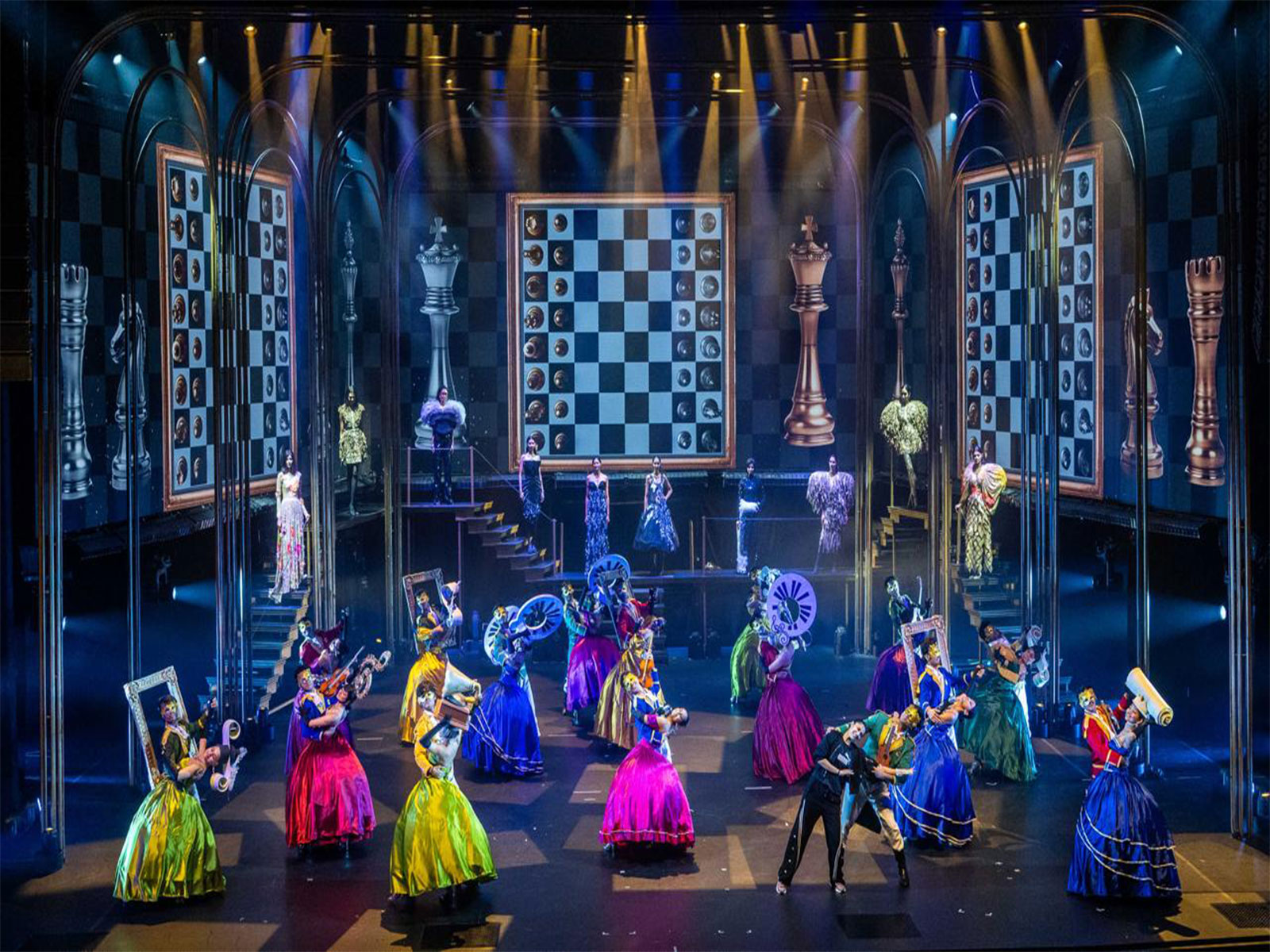
What followed on stage mirrored that same discipline. Every movement felt measured, every moment meticulously mapped. There was spectacle, yes, dazzling, dynamic, undeniable, but never at the cost of substance. The dancers did not perform to impress; they moved to mean.
The technology did not overwhelm; it illuminated. The music did not command; it conversed. Light leapt like language, bodies bent like questions, and somewhere within that choreography of consciousness, a question began to form, not loudly, but persistently.
What is truth, really?
We use the word so casually. We invoke it with conviction, defend it with ferocity, and declare it with dangerous ease. But rarely do we interrogate it. Rarely do we sit with its slipperiness, its multiplicity, its refusal to be contained. Tesseract forces that interrogation, not by answering the question, but by expanding it.
The metaphor of the tesseract, a four-dimensional cube, impossible to fully perceive from a single vantage point--is not merely scientific curiosity. It is philosophical necessity.
Because truth, the production suggests, behaves in precisely the same way. It cannot be held from one angle, cannot be grasped from one position. It must be approached, re-approached, reconsidered. Again and again. It is not a fixed form but a shifting field.
And here lies the discomfort.
Because we have grown addicted to finality. We crave conclusions, we cling to clarity, we hunger for closure. Complexity unsettles us. Ambiguity irritates us. The labour of sustained thinking exhausts us. And so we simplify. We reduce. We resolve prematurely. We mistake neatness for knowledge.
Tesseract denies us that comfort. It refuses to simplify. It resists resolution. It withholds conclusion. Instead, it leaves you suspended, not in confusion, but in consciousness.
Five days later, that consciousness has sharpened into something more exacting. Responsibility.
Because what the production does, quietly, brilliantly, and irrevocably, is dismantle the illusion that truth is someone else's task. For too long, we have outsourced truth. To journalists. To institutions. To governments. To algorithms. We have expected it to arrive, verified, validated, neatly packaged. We have treated it as a commodity to consume rather than a commitment to cultivate.
But Tesseract disrupts that expectation. It insists that truth is not delivered, it is participated in.
There is a moment in the performance that has lingered with particular force. The stage erupts into chaos. Movement fractures, information scatters, sound swells into near-overwhelm. It is disorienting, almost exhausting, a physical manifestation of the modern condition. And then, suddenly, everything stills.
Not resolves.
Stills.
That stillness reveals something essential. Clarity is not the absence of noise. It is the discipline to move through it. It is not a gift; it is a practice.
And that discipline, today, is in dangerously short supply. We live in an age of immediacy. We react before we reflect. We conclude before we consider. We speak before we understand. Velocity has replaced veracity. We mistake speed for substance, certainty for truth.
It is here that, days later, another voice enters my mind--urgent, unyielding, unforgettable.
"Bol, ke lab azaad hain tere
Bol, ke zubaan ab tak teri hai..."
Speak, for your lips are free. Speak, for your tongue is still yours.
The words of Faiz return not as poetry, but as provocation. Because Tesseract reveals something deeply unsettling: silence is not neutrality. Silence is participation. Even in silence, we shape the world. Even in silence, we align ourselves--with truth or with its absence. Even in silence, we choose.
And so the question shifts. It is no longer: What is truth? It becomes: What is my role in it?
That shift is profound. And it is uncomfortable. Because it removes distance. It dissolves detachment. It denies us the luxury of passive observation. It demands engagement.
In the days since, I have found myself returning not only to the ideas of the production, but to a feeling it stirred--an unexpected longing. As I sat there, watching this intricate interplay of movement and meaning, I remember thinking, almost involuntarily, I wish my mother were here.
I wished my siblings were there, their friends, my friends--an entire constellation of people with whom one could share not just the spectacle, but the stirring. Because this was not something one wanted to process alone. It demanded dialogue. It invited community.
And perhaps that is the final, quiet truth of Tesseract. Understanding is not individual. It is collective.
We often imagine truth as solitary--a moment of private revelation, a personal clarity achieved in isolation. But the production suggests otherwise. It suggests that truth emerges in conversation, in contradiction, in communion. It is shaped not by singular certainty, but by shared seeking.
That is why it lingers.
Because it does not end when the curtain falls. It begins there.
In the conversations that follow.
In the silences that deepen.
In the thoughts that refuse to settle.
In the days since, life has resumed its rhythm--meetings, messages, movements, the ordinary machinery of existence. But something within that rhythm has shifted. Subtly, but unmistakably. I find myself pausing more. Listening more. Questioning more. Not out of doubt, but out of awareness.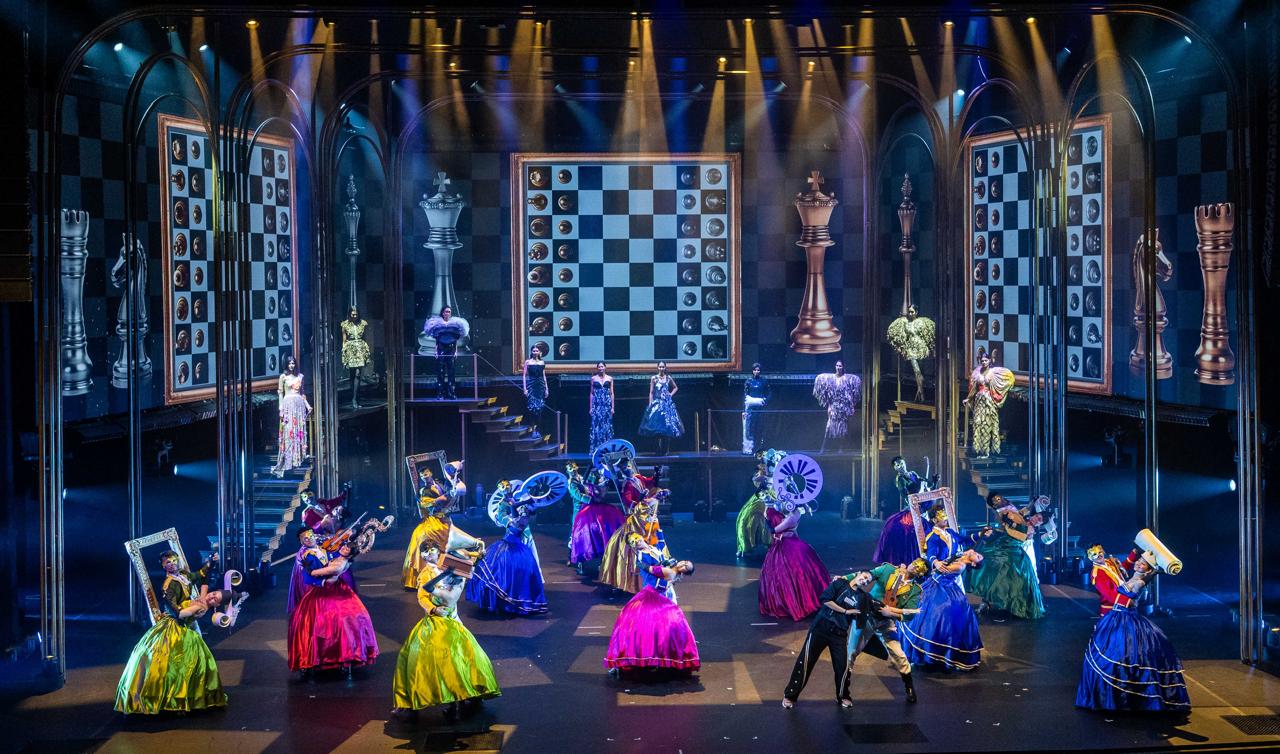
Because once you have encountered truth as dimension rather than declaration, you cannot return to flat thinking. You cannot accept singular perspectives. You cannot settle for easy answers. You begin to see complexity not as complication, but as clarity in its truest form.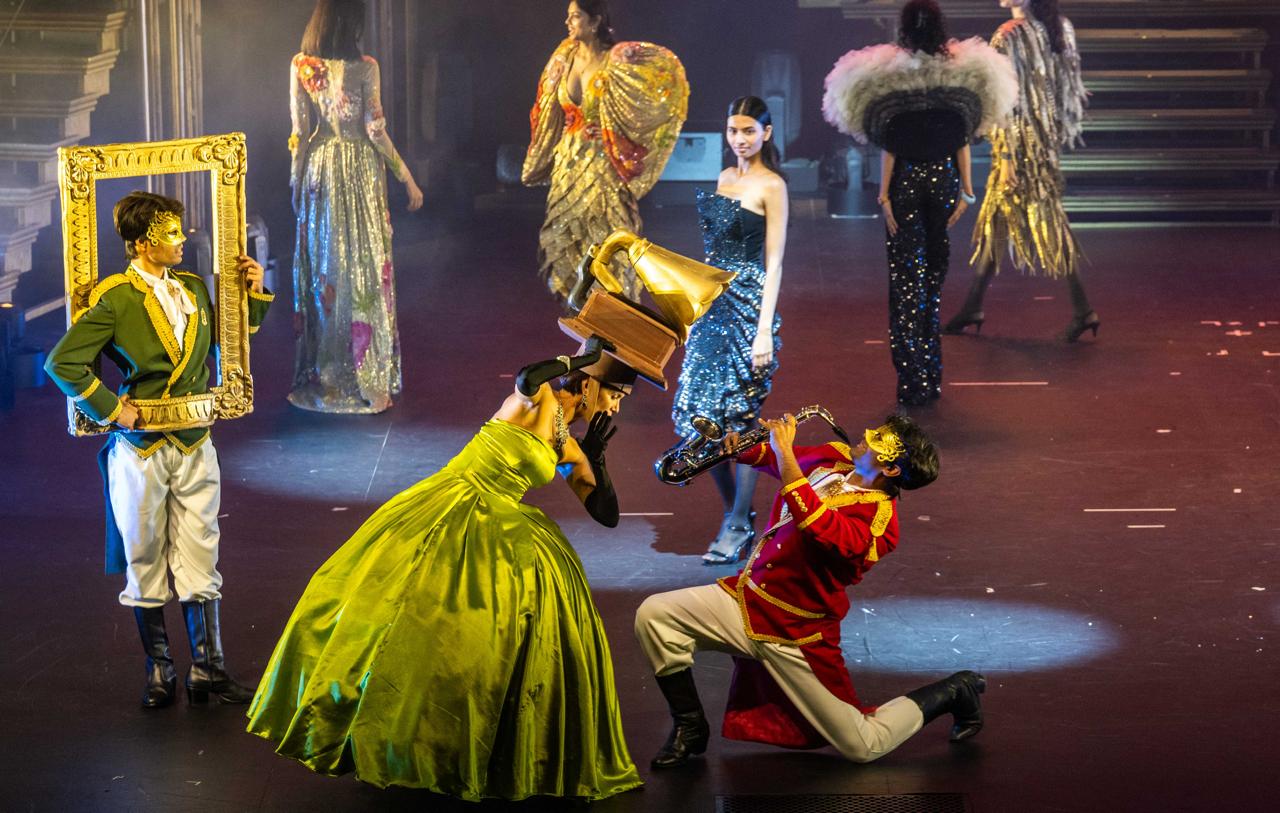
A few days ago, I received a cake--a gesture of gratitude from Meera and Samir Jain for what I had written. It was thoughtful, generous, kind. And yet, as I stood there holding that sweetness, I realised something quietly ironic. There was still so much left unsaid.
Because some experiences resist containment. They expand. They evolve. They insist on revisiting.
This is that revisiting.
Not as repetition, but as continuation.
Because Tesseract is not a production one watches. It is a question one carries.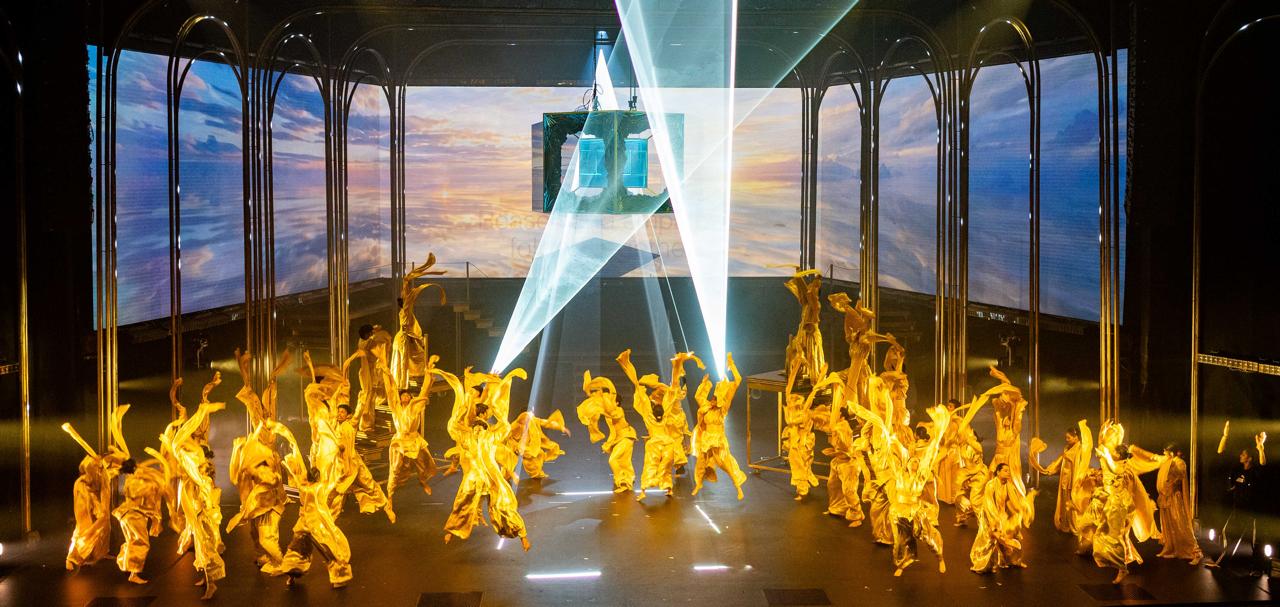
And in carrying it, one begins to understand something essential about the world we inhabit. We do not suffer from a lack of truth. We suffer from a lack of engagement with it. Truth is not disappearing. We are--into convenience, into certainty, into the comfort of unexamined conclusions.
Tesseract calls us back. Not gently, but necessarily.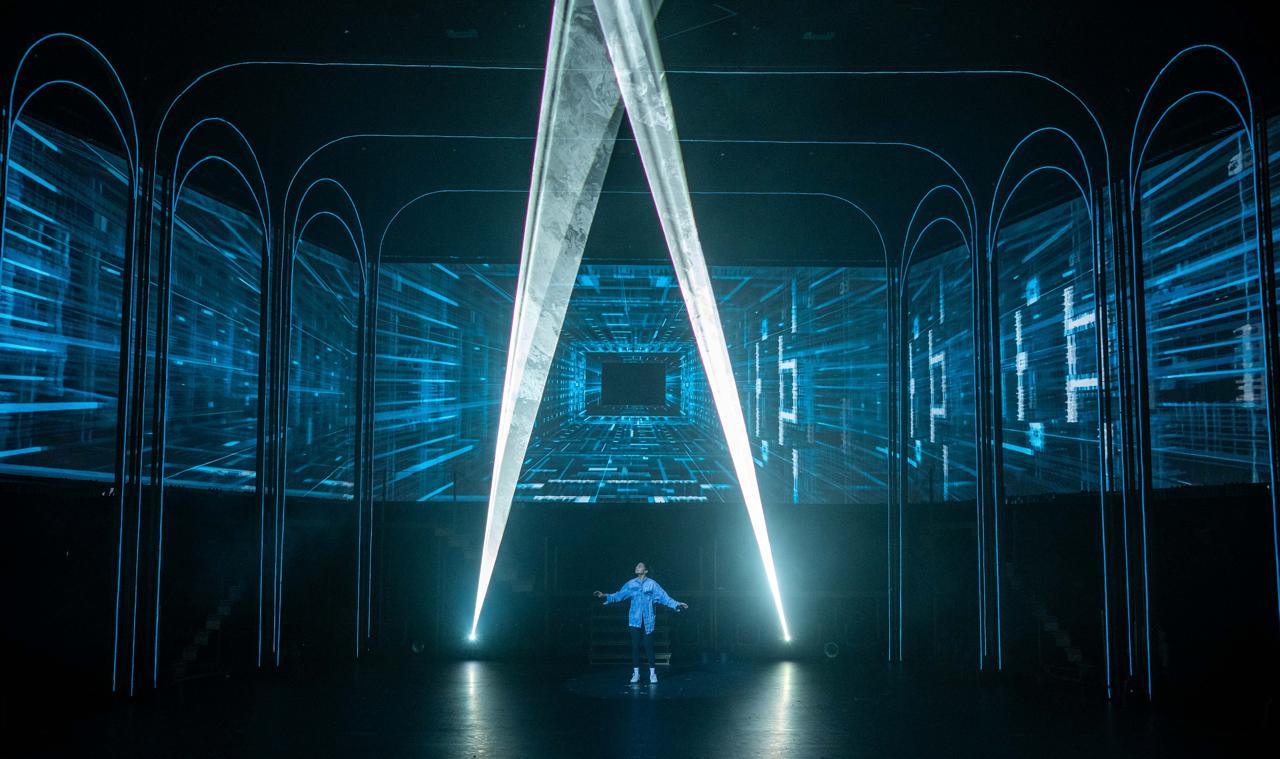
It reminds us that our voices matter. Our questions matter. Our hesitations matter. Even our silences matter. Because the world we inherit tomorrow is shaped not only by what we say, but by what we choose not to.
Five days later, the lights of the theatre have dimmed, the stage has been cleared, the city has surged forward. But somewhere, quietly, persistently, insistently--the tesseract remains.
Not on a stage, but within us. Not as spectacle, but as summons.
Waiting, not to be understood completely, but to be engaged with. Again and again and again.
Because truth does not arrive. It unfolds--only when we do. (ANI/Suvir Saran)
(Disclaimer: Suvir Saran is a Masterchef, Author, Hospitality Consultant And Educator. The views expressed in this article are his own.)