"They don't like woman CM working 24/7...": CM Rekha Gupta in Delhi Assembly
Jan 09, 2026
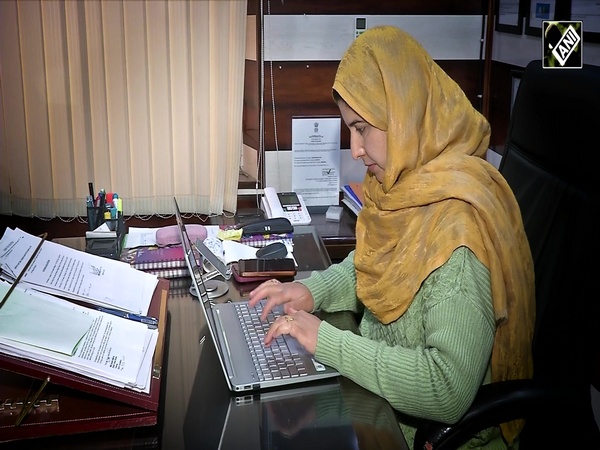
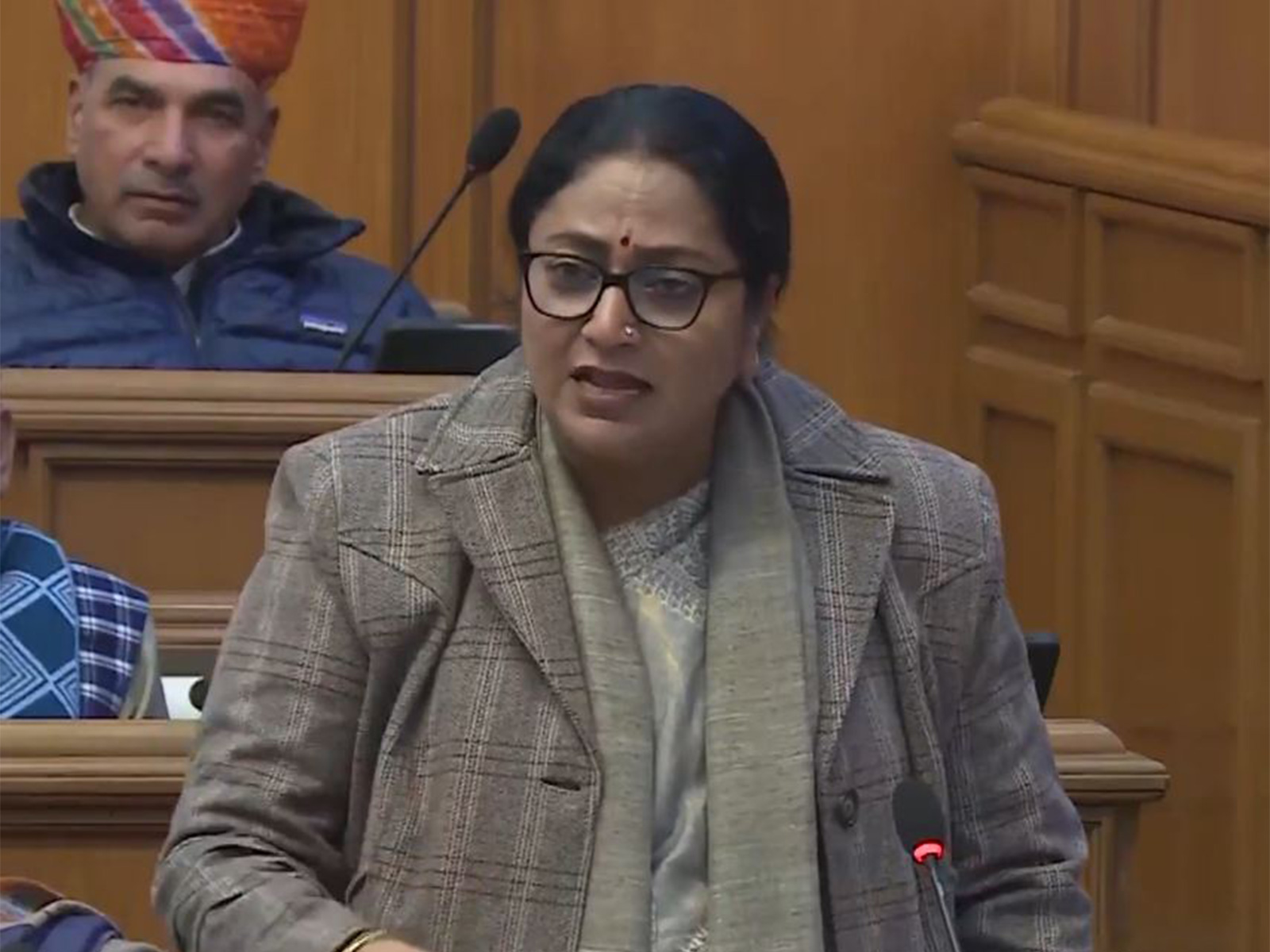
New Delhi [India], January 10 : Criticising those who have been "undermining her leadership," Delhi Chief Minister Rekha Gupta has alleged that she regularly faces "disrespect", "cheap comments", and "baseless allegations" while carrying out her official duties.
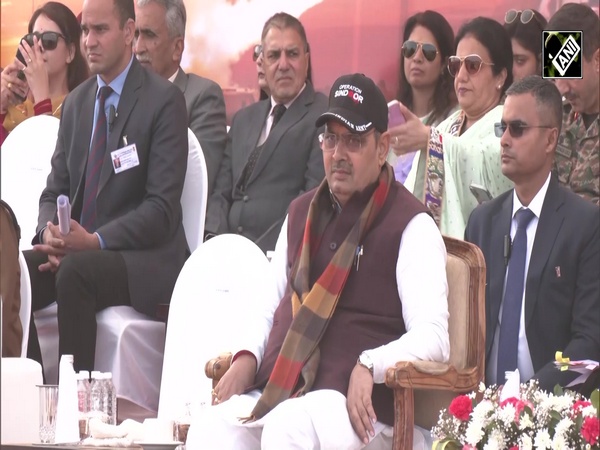
Speaking in the Delhi Assembly, CM Gupta said, "They don't like the fact that a woman Chief Minister is working 24/7. Sometimes they disrespect me, sometimes they make cheap comments. Sometimes they make baseless allegations. They make fun of the words I accidentally utter. Anyone can make mistakes while speaking or mispronounce certain words. I made a mistake. But you did things deliberately."
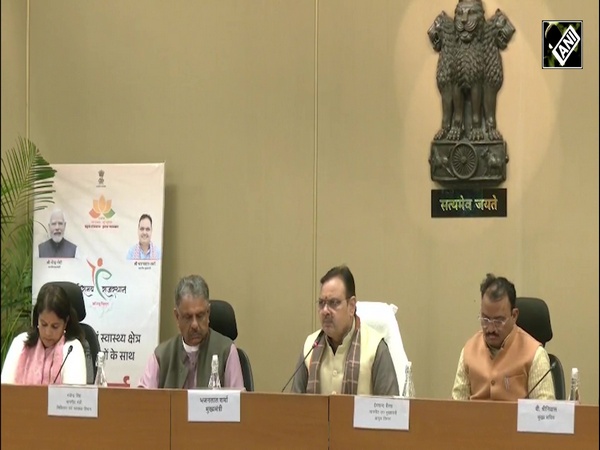
Meanwhile, the Chief Minister Rekha Gupta, on Friday, presented a detailed, data-driven and forthright account of her government's achievements over the past 11 months in the Delhi Legislative Assembly, while also exposing, layer by layer, the alleged failures, mismanagement and corruption of the previous Aam Aadmi Party government during its 11 years in power, an official statement from Delhi CMO said.
Participating in the discussion on the 'Motion of Thanks' to the Address of the Lieutenant Governor VK Saxena during the Winter Session of Delhi Assembly, the Chief Minister stated unequivocally that the Lieutenant Governor's address was not a mere parliamentary formality, but a clear roadmap of a new governance model, one that is steering Delhi away from confrontational politics towards coordination, accountability and outcome-based governance.
She said that today in Delhi, the Central Government, the Lieutenant Governor, the Municipal Corporation and various agencies are not working in conflict with each other, but are united in the cause of Delhi's development. The Chief Minister also became emotional in the House and said that the opposition was deliberately targeting her over a human error. She added that the opposition is unable to accept that Delhi today has a woman Chief Minister.
Chief Minister Rekha Gupta said this is the very model the Delhi Government is confidently presenting to the people. In the government's decisions, there is coordination rather than noise; implementation rather than mere announcements; and service rather than displays of power, according to the statement. She said her government draws inspiration from Mahatma Gandhi's concept of Sarvodaya, Pandit Deendayal Upadhyaya's philosophy of Antyodaya, and Atal Bihari Vajpayee's nationalism, while working continuously to realise Prime Minister Narendra Modi vision of a 'Viksit Bharat - Viksit Delhi'.
The Chief Minister said that when her government was formed in February 2025, it felt as though a new ray of light had emerged in Delhi after years of darkness. Over the past 15-20 years, Delhi's population and needs had grown rapidly, but previous governments had completely failed to strengthen basic infrastructure. As a result, essential services such as roads, hospitals, water supply, electricity and transport had steadily deteriorated.
She explained that her government identified priorities, framed policies and began working in a planned manner with short-, medium- and long-term goals. Expressing satisfaction, she said that even within a short span of just 11 months, the government has succeeded in changing the direction of Delhi, a release said.
The Chief Minister informed the House that on the very first day after taking oath, the Cabinet approved Ayushman Bharat, the country's largest health insurance scheme. Over the past 11 months, more than four lakh people have been registered under this scheme.
Under the 'Vandan Yojana' launched for senior citizens, treatment coverage of up to ₹10 lakh has been provided. More than 2.62 lakh people have registered under this scheme, over 19,200 patients have received treatment, and claims exceeding ₹32 crore have already been settled. The Chief Minister said this clearly reflects the extent to which Delhi's citizens had been struggling for medical treatment and were forced to run from pillar to post for years.
The Chief Minister stated that the Delhi Government implemented the Hospital Information Management System (HIMS), digitising the entire government hospital network. Online OPD bookings, digital prescriptions and interlinked medical records have put an end to corrupt practices such as multiple medicine bills being generated in the name of a single patient.
She informed that a Medical Genetics Ward has been established at Lok Nayak Hospital, enabling the detection of genetic disorders in unborn children. Additionally, 150 dialysis machines, advanced blood testing equipment and lactation management units for newborns have been introduced.
For the first time, the Delhi State AYUSH Society has been constituted. The State Organ and Tissue Transplant Organisation has also been established, providing an organised platform for organ donation. Twenty-nine new Jan Aushadhi Kendras have been opened to provide affordable medicines, and new blocks have been inaugurated in five government hospitals, a release stated.
The Chief Minister said that 500 Palna centres have been set up, enabling working women to leave their young children in a safe environment while they are at work. Around 1,300 nursing posts have been filled, and the stipend for nursing interns has been increased from ₹500 to ₹13,150 per month.
A monthly assistance scheme of ₹6,000 has been launched for the care of persons with severe disabilities. The government has set a target of opening 100 Atal Canteens; 45 have already started functioning, providing meals at ₹5.
Through the Delhi School Education Act 2025, arbitrary practices by private schools have been curbed. The number of electric buses has been increased to 3,500, with a target of reaching 7,500 by 2026 and 10,000 thereafter. For the first time, a separate Public Account for Delhi has been created, with ₹15,000 crore already deposited. Additionally, GST refunds worth ₹915 crore have been released to traders in a time-bound manner.
Launching a sharp attack on the previous government, the Chief Minister said that hospital buildings were constructed without planning, budgeting or approved layouts. Project costs escalated from ₹200 crore to ₹1,600 crore, and resolving these projects has now become a major challenge, with fresh tenders required in many cases.
She also pointed out that during the previous government's tenure, nearly 1.5 lakh booked properties in Delhi had no electricity meters, despite electricity being used, leading to rampant theft and corruption. Her government took a bold decision to provide legal electricity connections and meters to all such properties.
Regarding water bills, she said that lakhs of consumers under the Delhi Jal Board had been burdened with irrational bills. Under the Amnesty Scheme introduced by the government, 2,10,654 consumers have benefited so far, generating revenue of ₹224 crore.
The Chief Minister reiterated that cleaning the Yamuna is a top priority for her government. She said that Yamuna rejuvenation is a complex process that cannot be addressed through superficial measures. She identified outdated technology and defunct sewage treatment plants (STPs) inherited from previous regimes as the core challenge. The government is now repairing old plants and has initiated the tender process for setting up new STPs.
According to a CMO, she spoke about the transformation of road infrastructure and informed the Assembly about the 'wall-to-wall re-carpeting' scheme, under which roads are being fully reconstructed rather than receiving cosmetic repairs. So far, work on 140 kilometres of roads has been completed.
Addressing misconceptions related to education and 'CM Shri Schools', the Chief Minister clarified that no school named after Babasaheb Dr BR Ambedkar has been renamed. These schools are being upgraded with modern infrastructure and advanced educational facilities to ensure quality education for students.
The Chief Minister informed the House that the previous Aam Aadmi Party government left Delhi burdened with massive financial and administrative liabilities. Thousands of crores of rupees were pending across departments, including electricity, water, health, transport, education, sports and social welfare, often without any proper accounting.
Outstanding payments to the Delhi Metro Rail Corporation (DMRC), dues to power distribution companies, the financial crisis of the Delhi Jal Board, incomplete hospital projects and schemes launched without budgetary provisions are clear examples. She said that while the previous government made numerous announcements, it failed to make corresponding financial arrangements, forcing the present government to not only initiate development works but also clear old dues.
Pending payments related to scholarships, social assistance schemes and contractors were also highlighted. The Chief Minister said that her government is addressing these liabilities with complete transparency and responsibility, in order to strengthen Delhi's financial position and ensure that future plans can progress without burden.