"They want to make poor villagers, farm labourers slaves of rich": Kharge slams Centre over VB G-RAM-G law
Dec 21, 2025
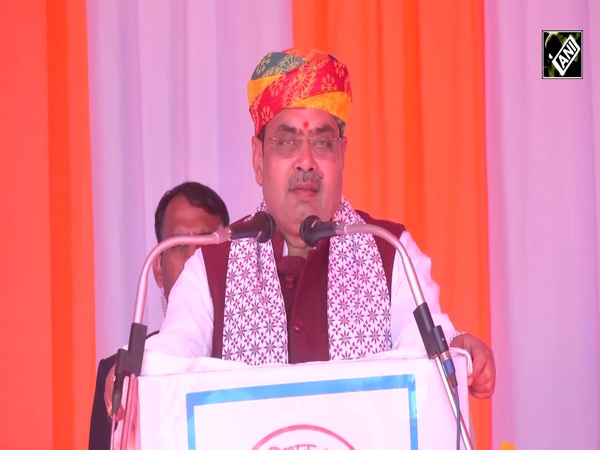
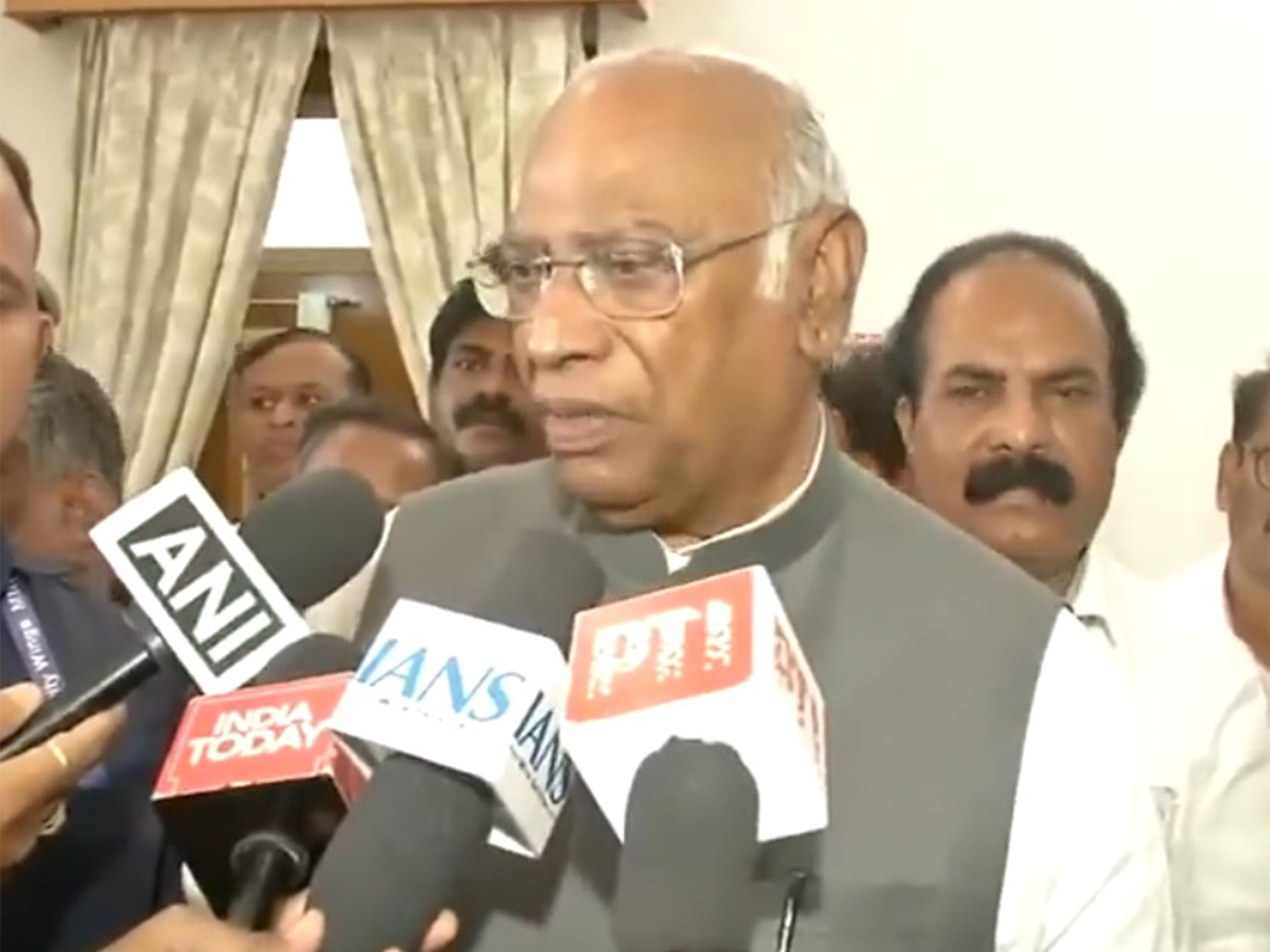
Kalaburagi (Karnataka) [India], December 21 : Congress President Mallikarjun Kharge on Sunday slammed the Centre over the VB G RAM-G law, accusing it of turning farm labourers and impoverished villagers into "slaves" of the rich.
He condemned the new VB G RAM-G law, claiming it serves only the interests of the Union Government. According to Kharge, the government's goal is to shift costs to state governments while offloading its own financial responsibilities.
"MGNREGA is a lifeline for the poor. They are purposely destroying that and they want to make the poor villagers and farm labourers slaves of the rich. That's why we fought to retain the MNREGA law, and all its provisions should remain as they are. I condemn the new law, which is only helping the government. Earlier, it was 90 per cent from the central government and 10 per cent from the state government, but now they have changed it to 60-40. This means they don't want to help the states. They want money from the state governments, and they want to reduce their own contribution. This clearly shows that they have no interest in the development of the poor," Kharge added.
During the recently concluded winter session, the Parliament passed the Viksit Bharat Guarantee for Rozgar and Ajeevika Mission (Gramin) (VB--G RAM G) Bill, with the Rajya Sabha approving the legislation hours after the Lok Sabha passed it.
The law guarantees 125 days of wage employment per rural household, up from the existing 100 days, for adult members willing to undertake unskilled manual work.
As per Section 22 of the law, the fund-sharing pattern between the Central Government and the State Governments will be 60:40, while for the North Eastern States, Himalayan States, and Union Territories (Uttarakhand, Himachal Pradesh, and Jammu and Kashmir), it will be 90:10. Section 6 of the law allows the state governments to notify in advance, a period aggregating to sixty days in a financial year, covering the peak agricultural seasons of sowing and harvesting.
While for the North Eastern States, Himalayan States, and Union Territories (Uttarakhand, Himachal Pradesh, and Jammu and Kashmir), it will be 90:10.