Toxic cocktail of pollution during early winter in Delhi-NCR: Centre for Science and Environment
Dec 02, 2025
New Delhi [India], December 3 : The new assessment of the early winter trends (October-November) and annual air quality trends in the national capital by the Centre for Science and Environment (CSE), exposes the growing toxicity of the air, worsening of air quality in smaller towns of the National Capital region (NCR), and the risk of reversal of long term air quality gains in the city.
Despite a significantly lower contribution from farm fires this season, Delhi's air quality has still slipped into the very poor to severe, pointing to the impact of local pollution sources, mainly from vehicles and combustion sources, the CSE said in a report released on Monday.
"Delhi and NCR cannot hide behind the smokescreen of farm fires any more as even with much lesser contribution to local air quality this time, air quality has turned very poor to severe, exposing the impact of local sources. But more worrying is the daily synchronised rise of PM2.5 and other toxic gases of nitrogen dioxide (NO2) and carbon monoxide (CO) largely from vehicles and combustion sources, creating a toxic cocktail that has gone unnoticed. The long-term air quality trend in Delhi has also plateaued without showing improvement. This signals an urgent need for deep-rooted shifts in infrastructure and systems to upscale action to cut emissions from vehicles, industry, power plants, waste, construction and household energy," says Anumita Roychowdhury, executive director at CSE in the CSE report.
"What further stands out is the stubborn stability and the vast spread of the pollution levels across the NCR region as well as the worsening and proliferation of more pollution hotspots in the city. The tinier towns in the region display more intense and longer-lasting smog buildup. Even though the peak pollution spikes are lower this winter due to lesser contribution of farm fires, the airshed is getting increasingly more saturated", says Sharanjeet Kaur, deputy programme manager, Urban Lab, Clean Air unit, in CSE.
This CSE analysis is based on the air quality data accessed from the portal of the Central Pollution Control Board.
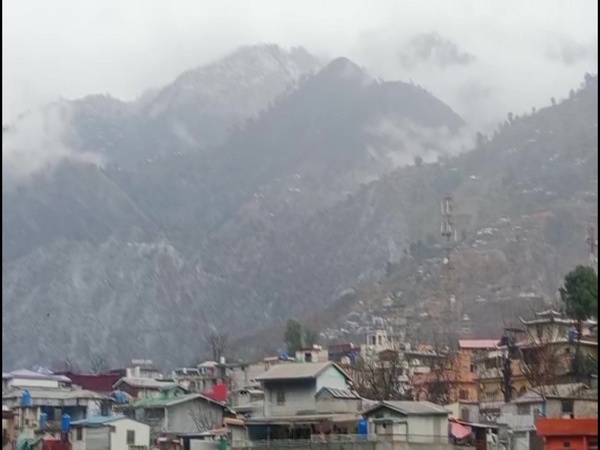
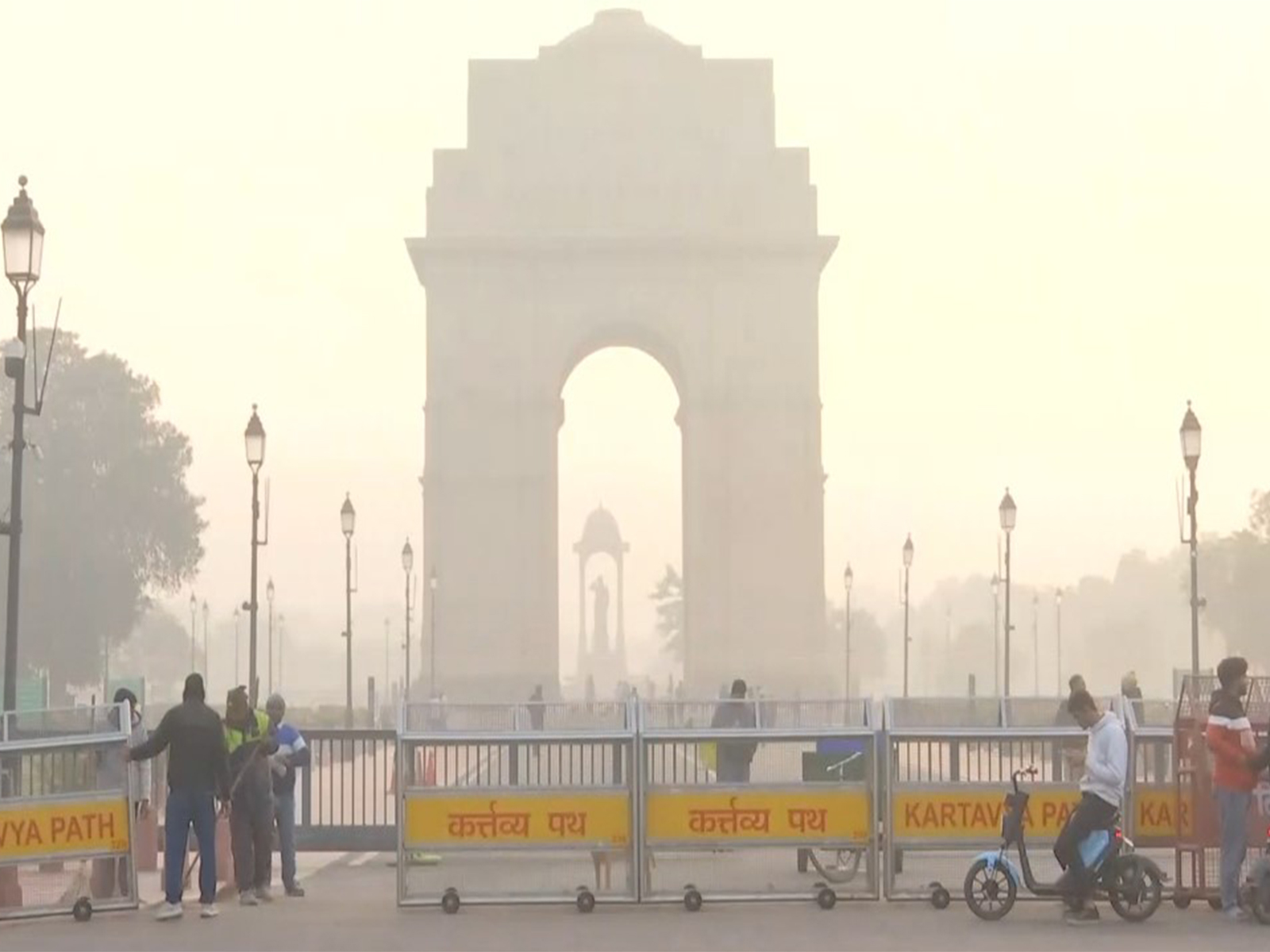
Meanwhile, CPCB on Tuesday categorised Delhi AQI (Air Quality Index) as 'Very Poor'. The AQI in Delhi is reported to be around 304, according to the latest data. Most of the areas were seen to be blanketed by a layer of smog.The AQI in the Anand Vihar area of Delhi was around 383, categorised as 'Very Poor' by CPCB, and the area was seen to be blanketed by a layer of smog.The area around Akshardham Temple was also seen blanketed in smog, with the AQI at 383 in the 'Very Poor' category, according to the CPCB.
The ITO area had an AQI of about 331, categorised as 'Very Poor', by CPCB while the AQI for the Ghazipur area was reported to be 383, also categorised as 'Very Poor'.
According to CPCB, the AQI, which ranges from 0 to 500, is divided into six categories, each reflecting the level of pollution and associated health risks.
An AQI between 0 and 50 is classified as "Good", indicating minimal or no health impact. AQI levels from 51 to 100 fall into the "Satisfactory" category, where air quality remains acceptable, though sensitive groups such as children, the elderly, and those with respiratory issues may experience slight discomfort.
The "Moderate" category, ranging from 101 to 200, signals increasing pollution levels that can trigger breathing difficulties among people with asthma, lung conditions, or heart diseases.
An AQI between 201 and 300 is considered "Poor", a range in which prolonged exposure can cause breathing discomfort to most people, not just those with pre-existing health issues. This level has become increasingly common in several parts of the capital during winter.
Levels between 301 and 400 are marked as "Very Poor", posing a risk of respiratory illnesses even to healthy individuals when exposure continues for long periods.
The most hazardous category, "Severe," includes AQI values from 401 to 500. At this stage, air quality becomes dangerous for everyone.