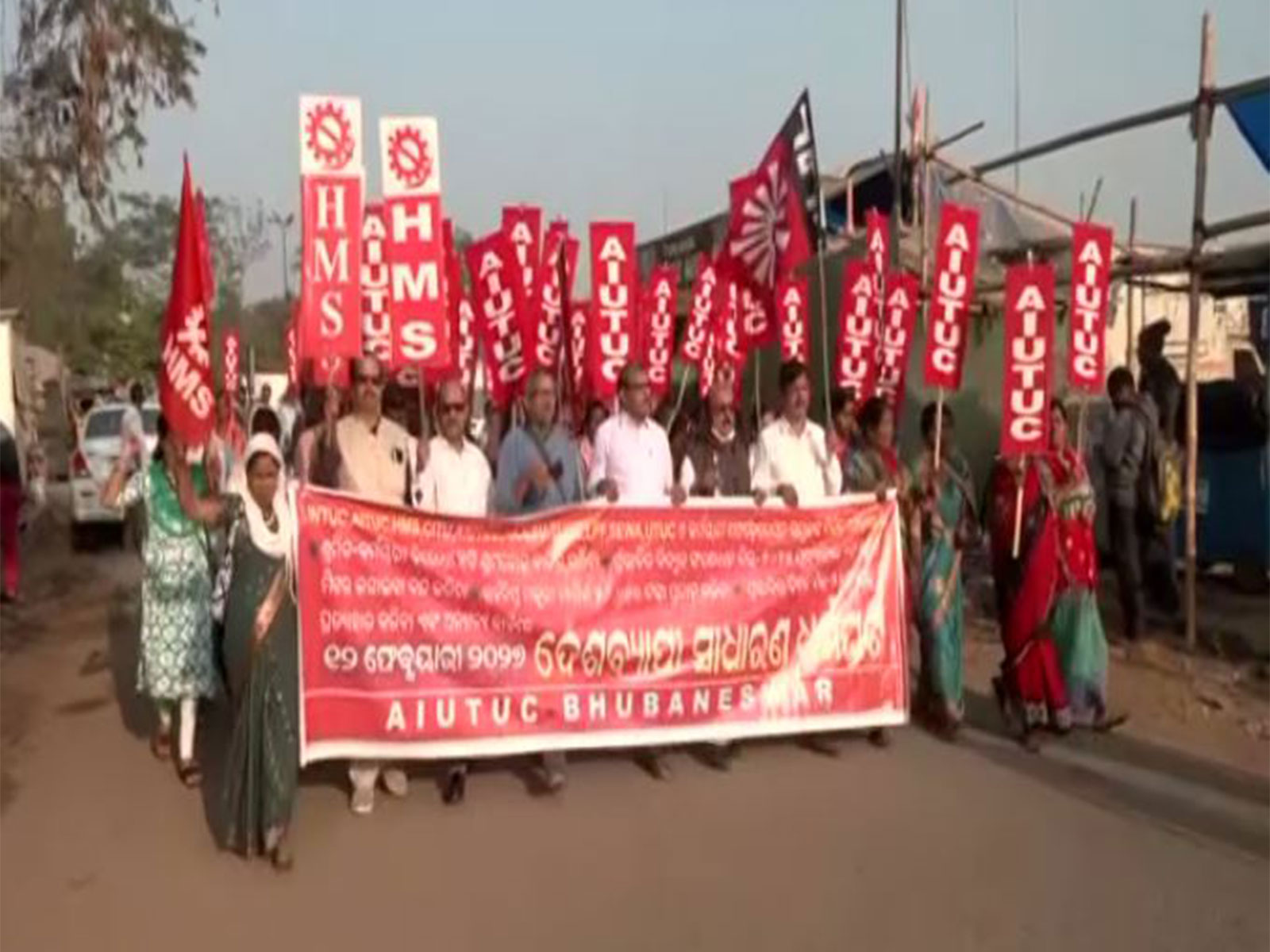
Trade Unions unite to protest against various Central govt policies across India
Feb 12, 2026
Bhubaneswar (Odisha) [India], February 12 : Workers and farmers across India participated in a nationwide strike on Thursday, organised by several trade unions and parties to protest against the various central government policies, including labour codes, trade agreements, privatisation policies, and other policies perceived as anti-worker and anti-farmer.
In Odisha, the Trade Union Co-Ordination Centre (TUCC) State Committee, along with major unions including the Indian National Trade Union Congress (INTUC), All India Trade Union Congress (AITUC), Hind Mazdoor Sabha (HMS), Centre of Indian Trade Unions (CITU), All India Central Council of Trade Unions (AICCTU), and affiliated political parties were seen participating in the strike. 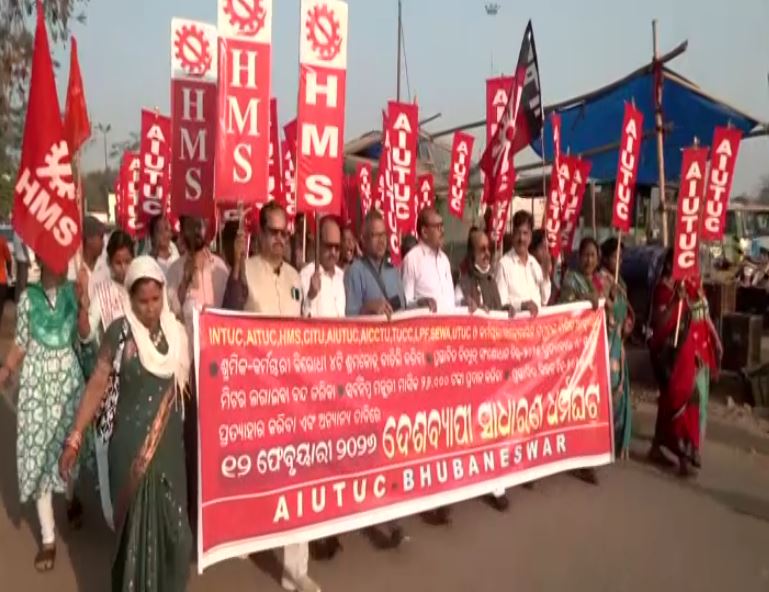
Protesters carried banners, raised slogans, and chanted slogans such as "Inquilab Zindabad!" (Long live the revolution), "Shramika Ekta Zindabad!" (Long live workers' unity), "Kendra Sarkar Hosh Mein Aao!" (Central Government, come to your senses), and "Amara Dabi, Purana Hou!" (Fulfill our demands).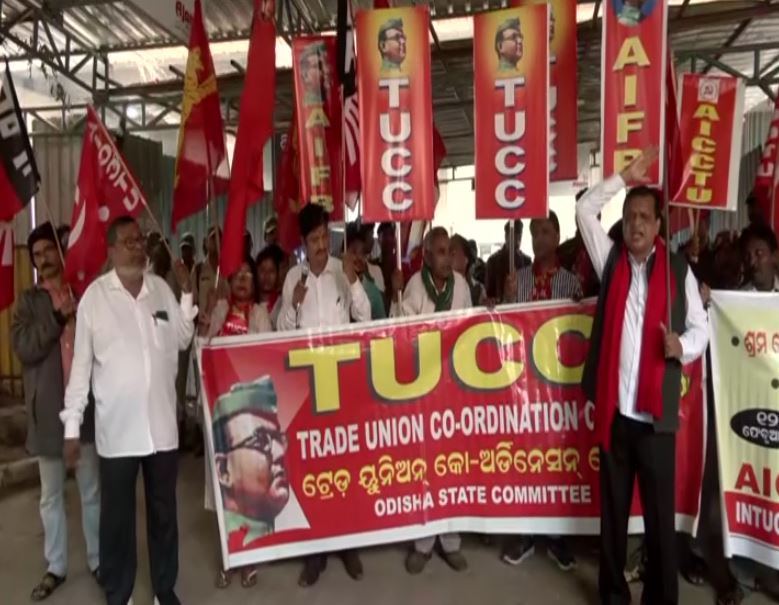
Mahendra Parida, General Secretary of AICCTU, said, "All the Central Trade Unions have joined together in this strike and shutdown. Our demand is against the Prime Minister Narendra Modi government's decision to merge 29 existing labour laws into four new Labour Codes. These codes will turn the working class into slaves of the employers. Under these new rules, workers will no longer have the right to strike, and the working day will be extended to 12 hours. This is a direct violation of International Labour Organisation standards."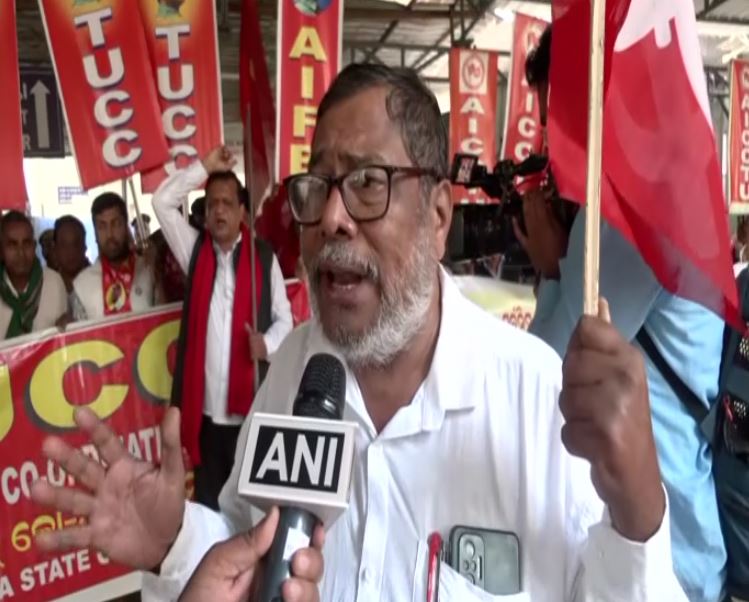
He also stated that the threshold for labour law applicability has been raised, excluding units with fewer than 50 workers and leaving 80% of India's workforce without protection. He further raised concerns over the stripping away of strike rights, the difficulty in forming unions, and the transformation of labour tribunals into administrative bodies, limiting workers' legal recourse.
Parida also highlighted that the new Labour Codes allow for 10 to 12-hour shifts, effectively extending workdays beyond the ILO-mandated 8 hours. They also criticised changes to gratuity rules, which reduce eligibility from five years to one year, calling it a "trap" for workers.
As of November 21, 2025, India has implemented four comprehensive Labour Codes--Code on Wages 2019, Industrial Relations Code 2020, Code on Social Security 2020, and Occupational Safety, Health and Working Conditions Code 2020--consolidating 29 central laws to streamline compliance, modernise regulations, and extend benefits to gig, platform, and unorganised workers.
Meanwhile, the strike also voiced opposition to the privatisation of the public sector, the Electricity Amendment Bill, and other legislation perceived as harmful to farmers and workers.
Jyoti Ranjan Mohapatra, State President of TUCC, said, "From Mayurbhanj to Mahendra Tanaya, Odisha is at a standstill. Buses, trains, and autos have stopped. We are protesting the central government's anti-worker and anti-farmer policies. They are implementing labour codes to favour corporations over the common man. We demand a complete reversal of these policies."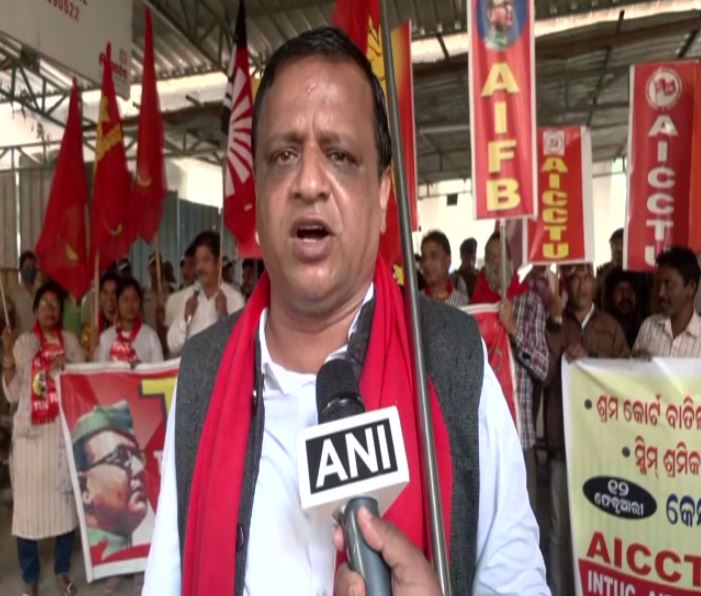
Furthermore, the protest disrupted normal life in many areas. Abdul Fahim Khan, a groom from Soro in Balasore, had to halt his wedding procession in Bhubaneswar's Jaydev Vihar area as highways were blocked by striking workers.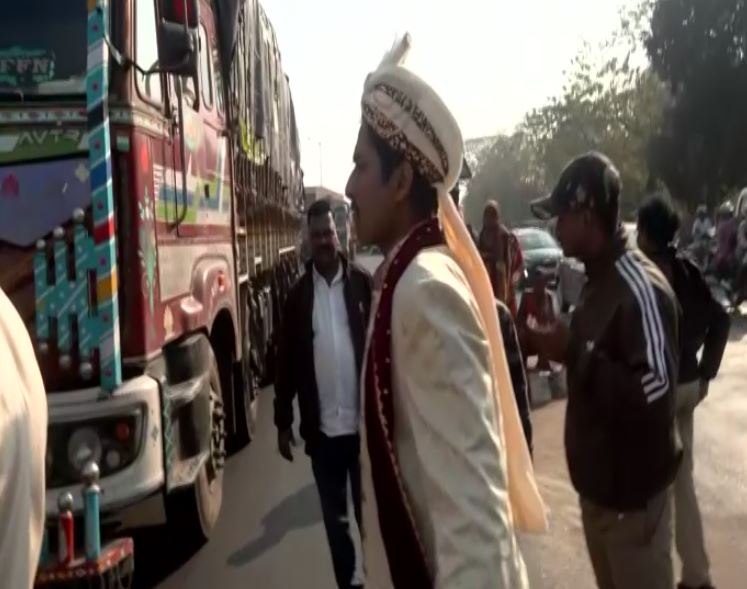
"We were stopped...we know there's a strike...we'll have the wedding today, somehow," he said to ANI.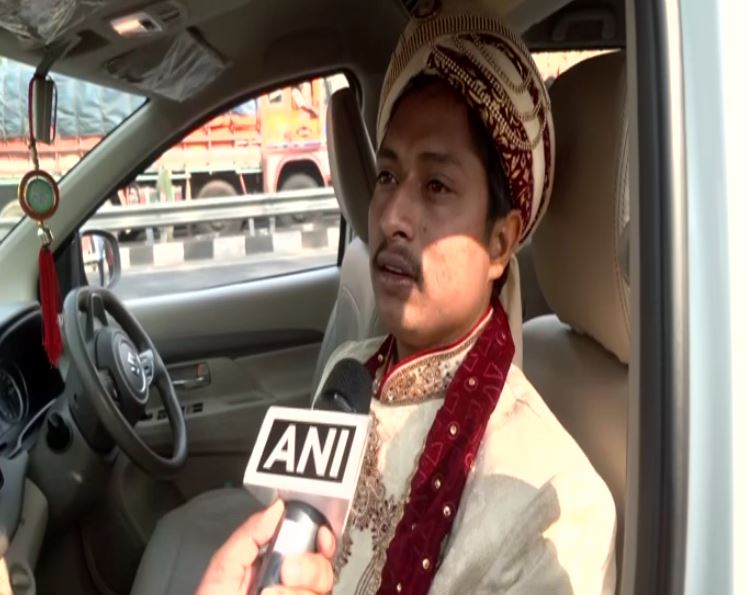
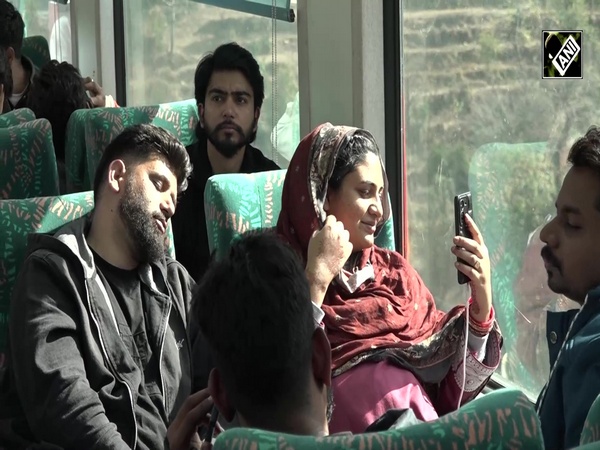
Meanwhile, West Bengal had empty streets, with shops closed, as workers joined the strike. Buses were also parked.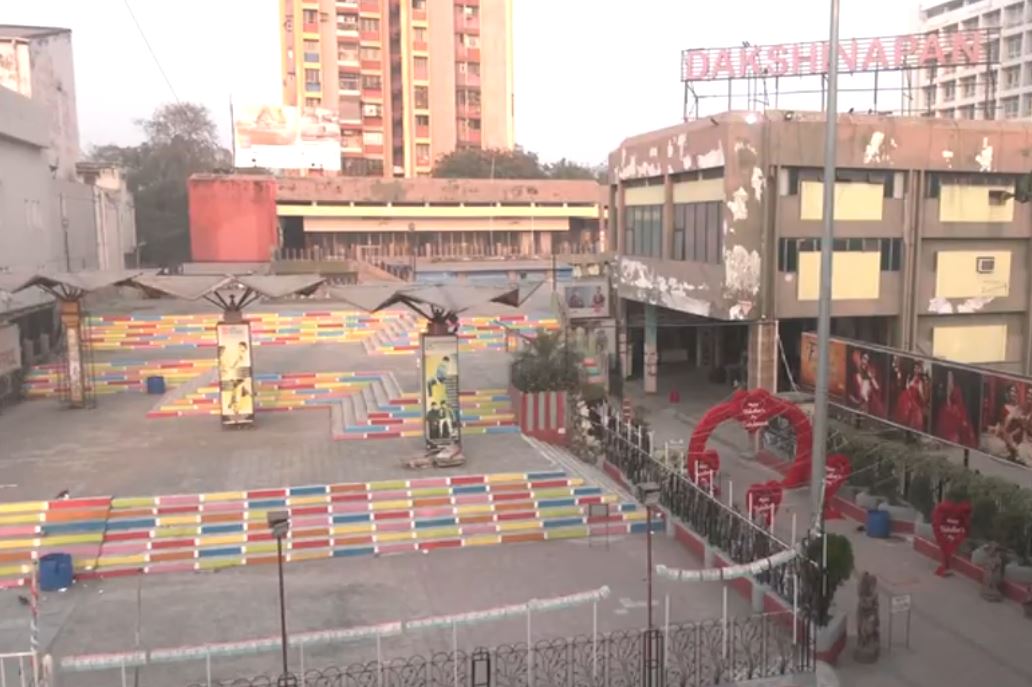
In Kerala, KSRTC workers' unions and private bus associations also supported the nationwide protest, resulting in empty roads and halted public transport.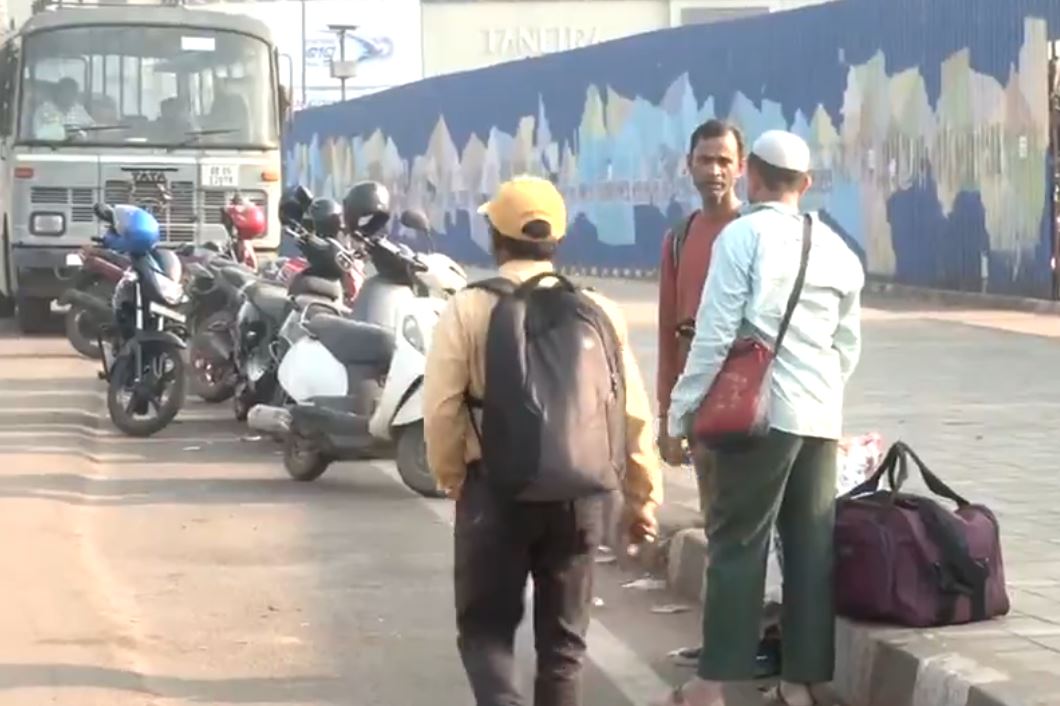
The strike, called by ten Central Trade Unions (CTUs) and fully backed by the Samyukta Kisan Morcha (SKM), today aims to protest against a range of policies, including the four labour codes, privatisation and contractualisation measures, the Electricity Amendment Bill 2025, changes to the Mahatma Gandhi National Rural Employment Guarantee Act (MGNREGA), and the proposed Seed Bill.
Earlier in the day, Congress leader Rahul Gandhi extended his support to the nationwide strike by workers and farmers across India against various central government policies, saying their voices have long been ignored.
In a post on X, he said, "Today, millions of workers and farmers across the country are on the streets, raising their voice for their rights. Workers fear that the four Labour Codes will weaken their rights. Farmers are apprehensive that trade agreements will strike a blow to their livelihood. And weakening or eliminating MGNREGA could snatch away the last support of the villages. When decisions were taken regarding their future, their voice was completely ignored. Will Modi ji listen now? Or is the 'grip' on him too strong? I stand firmly with the issues of workers and farmers and with their struggle."