Trump "miscalculated" Iran's response, says US expert on Arabian Peninsula Daniel Benaim
Mar 20, 2026
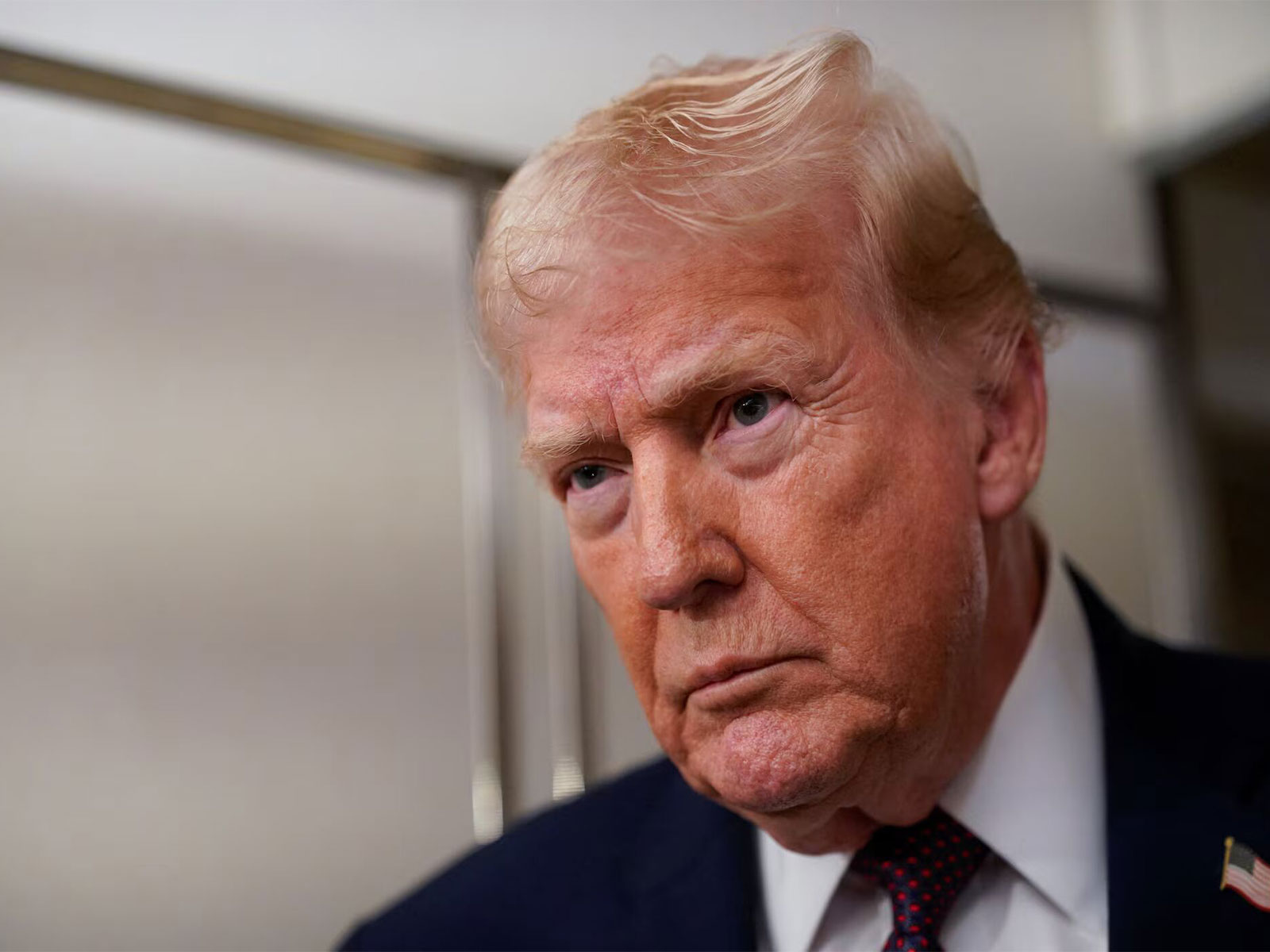
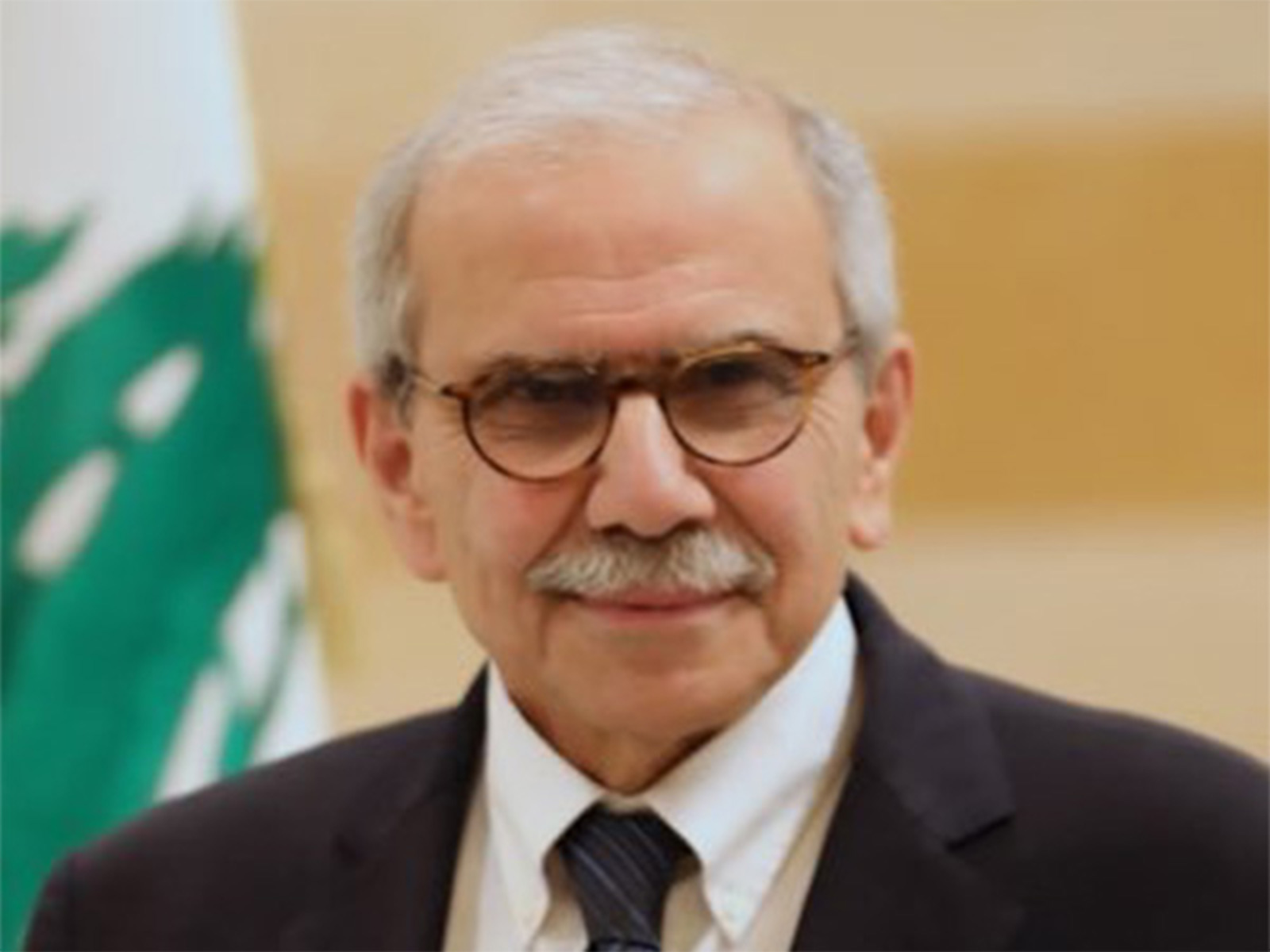
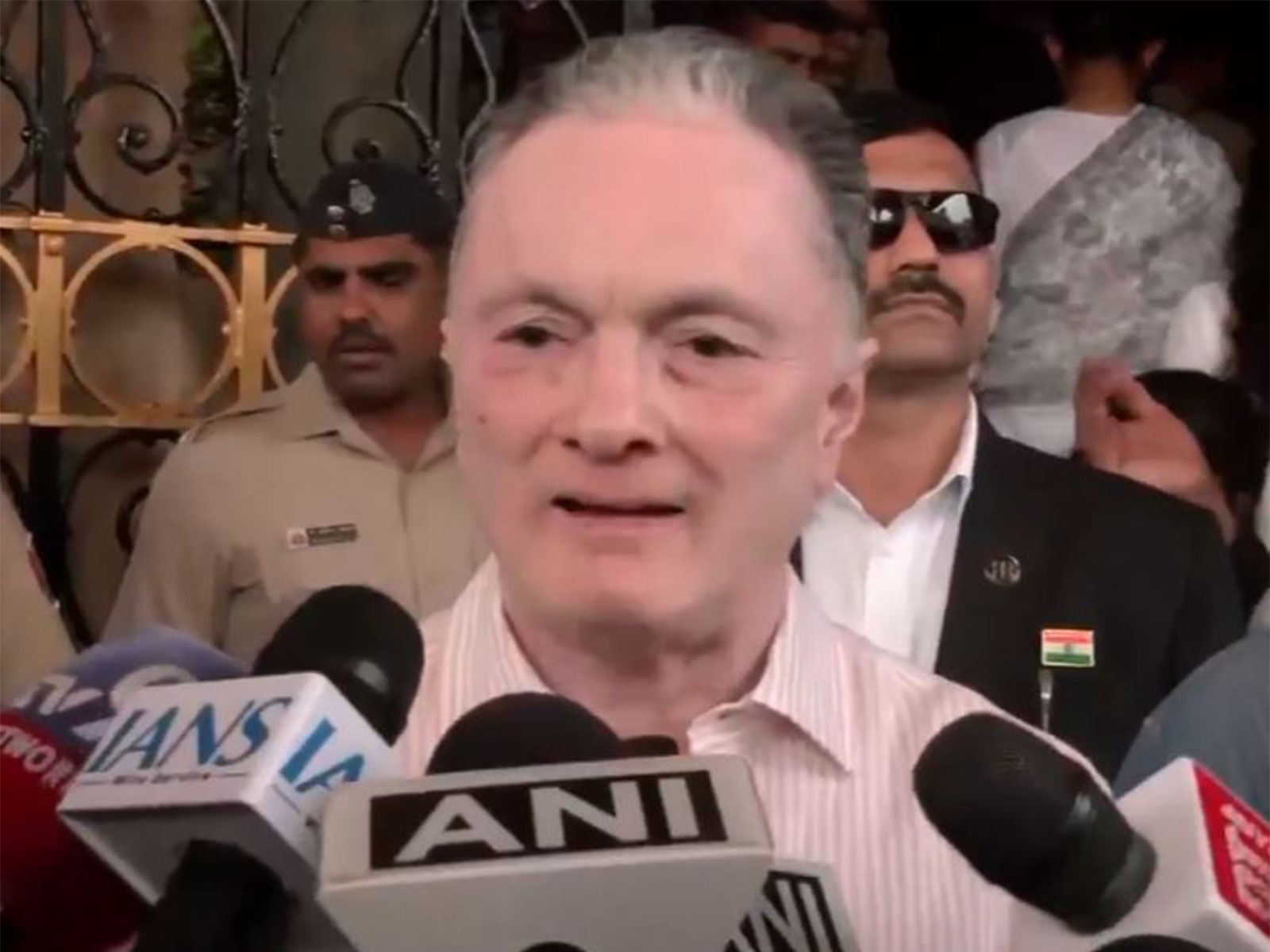
New Delhi [India], March 20 : As the West Asia conflict enters the 21st day today, the Biden-era US top official, Daniel Benaim, has criticised President Donald Trump for "miscalculating" Iran's response to US-Israel attack and failing to understand Tehran's psychology that when pushed to a wall, it "wouldn't capitulate" like Venezuela.
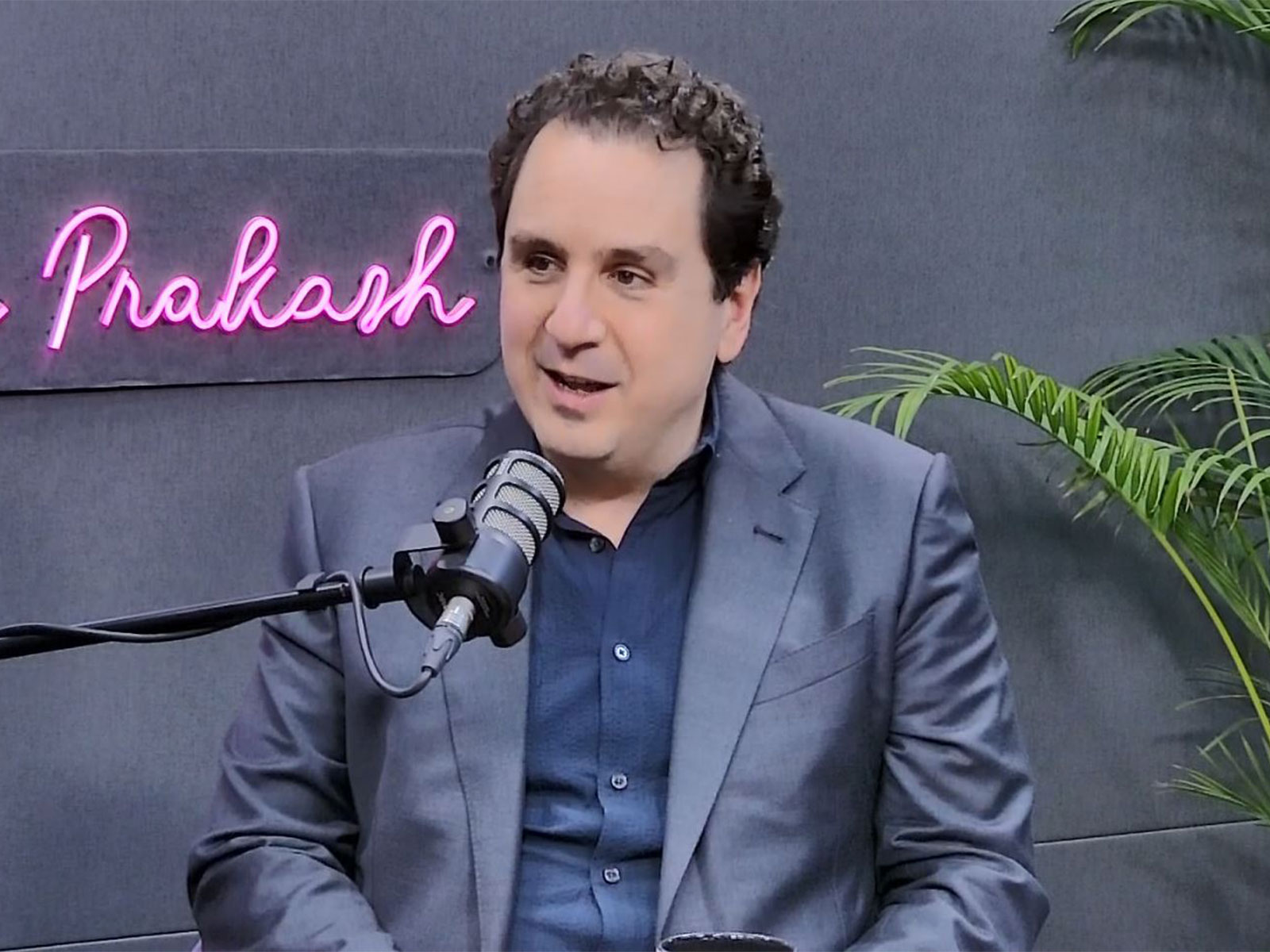
Benaim, who is an expert on the Arabian Peninsula, in a conversation with ANI, also said the American diplomats were "caught unprepared" for the broadening of the conflict by Iran.
"So, I think he did miscalculate in the sense that everybody knew that this was a possibility and they seem to not have been as well prepared for it as they might have been. In terms of having the assets nearby to reopen the Strait, in terms of being ready to evacuate Americans from the Gulf, which is a core diplomatic responsibility for the safety and well-being of citizens overseas that is like the absolute bread and butter of every diplomatic service overseas. That took several days," Benaim said when asked whether Trump miscalculated or underestimated Iran's response.
According to Benaim, US officials were surprised by Iran's immediate strategy following the attack.
"And really, I think in some ways, our diplomats were caught by surprise by this surprise attack on Iran. And I think that we were caught by surprise by the fact that Iran's opening move out of the gate was to broaden the conflict in all of these ways. It took them a few days to really zero in on the energy weapon, but they went straight for the Gulf and there were missiles into Turkey even. So they, they really had a strategy to broaden the conflict that seems to have caught us unawares," the Benaim added.
The remarks also addressed the influence of Israeli Prime Minister Benjamin 'Bibi' Netanyahu on Trump's decision-making.
"As far as whether that came from Netanyahu, I read this a little bit differently. I think that for the United States, I don't see a lot of evidence that Donald Trump is doing things for other countries. Evidence that I see is that he's doing what he thinks is good for the United States. And he defines the United States heavily in terms of his own movements and his own standing and his own strength as the embodiment of the country."
Benaim noted that while Netanyahu may have offered arguments in favour of action, Trump's decision was ultimately guided by his own assessment.
"I think he saw, I think he did this not because of Bibi (Netanyahu), although Bibi may have provided some compelling arguments, for Israel's desire to do it. He did it because he could and because he thought he could do it at an acceptable cost. Now, Israel maybe was going to do it anyway, you could say. Yes, fine. But Donald Trump is much more popular in Israel than Benjamin Netanyahu, and Benjamin Netanyahu faces an election in 2026. Prime Minister Trump has levers to pull when he wants to pull them."
Despite acknowledging Trump's ability to gauge others' weaknesses, Benaim said that such instincts faltered with Iran.
"I think that instinct really failed him (Trump) in this case in understanding Iran's psychology and the fact that when pushed to a wall, they wouldn't capitulate and they wouldn't knuckle under in the way that they found Delcy Rodriguez (Venezuela's interim President). You know, the supreme leader, the first supreme leader of Iran, Ayatollah Khomeini, has a quote that says something like, I didn't do this revolution to change the price of watermelons."
Before the US attack, Rodriguez had served as vice president under former Venezuelan President Nicolas Maduro. The US forces had, on January 3, 2026, conducted a military operation, dubbed "Operation Absolute Resolve," in Venezuela, which resulted in the capture of Maduro.
Benaim underlines concerns about the broader consequences of such miscalculations for the perception of American leadership globally, particularly in high-stakes geopolitical crises.
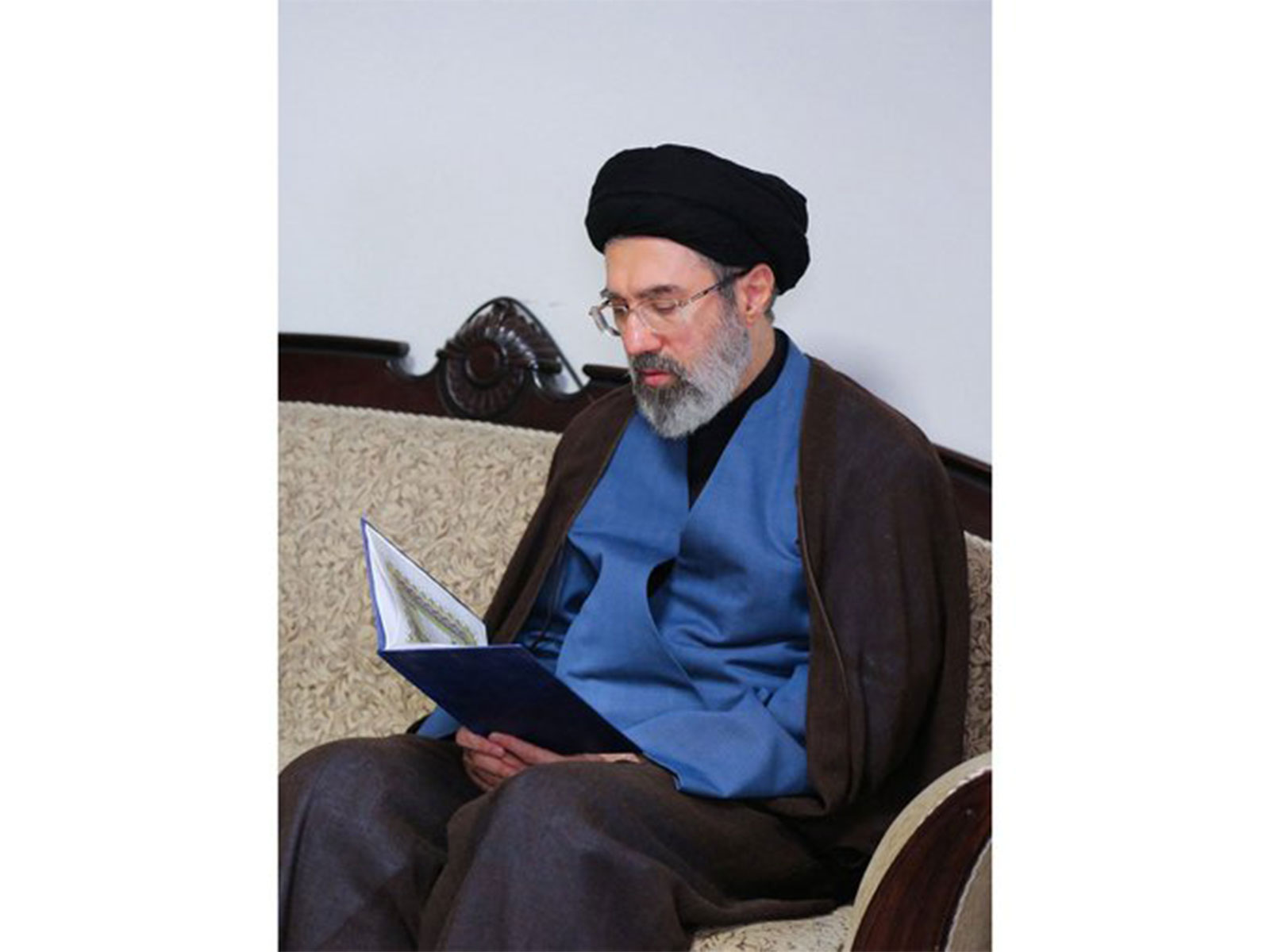
These remarks come as the escalating conflict in West Asia reaches its 21st day, following the joint US-Israeli offensive against Iran on February 28, in which 86-year-old Iran's Supreme Leader, Ayatollah Ali Khamenei, was also killed. Following his death, Mojtaba Khamenei, son of the former leader, was appointed as the new Supreme Leader of the Islamic Republic.
The security situation between US-Israel and Iran continues to escalate since then, with both sides engaged in an escalating conflict marked by missile exchanges and military operations. Iran has attacked several energy infrastructure sites across the Gulf region in response to Israeli strikes on its gas facilities this week
As Iran reportedly exerts pressure on the strategic Strait of Hormuz, the resulting disruptions to oil, gas, and maritime trade routes continue to pose a mounting threat to global economic stability.