"Two to three weeks": Trump predicts end of Iran war; says deal "possible" as mission nears finish
Mar 31, 2026
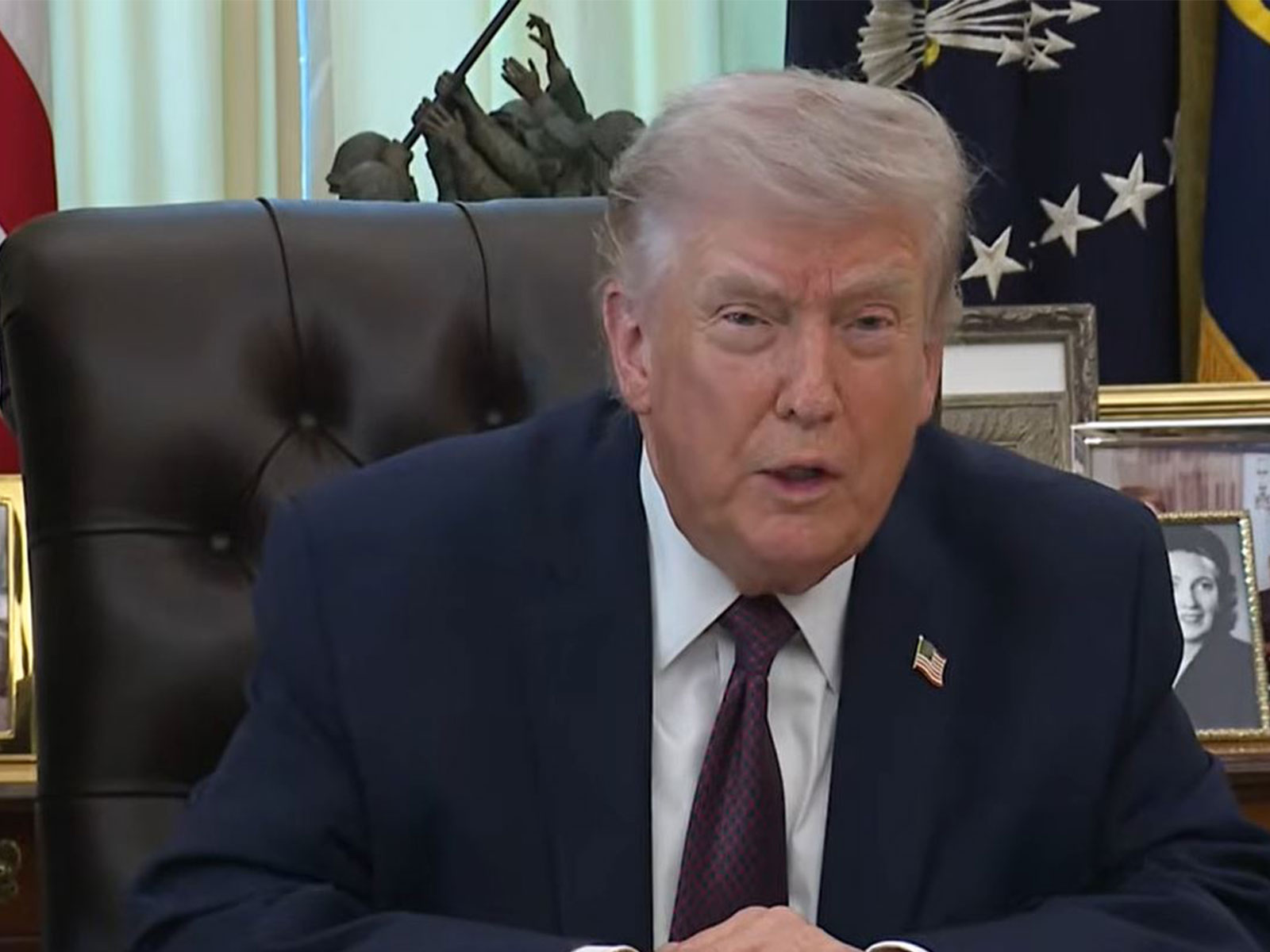
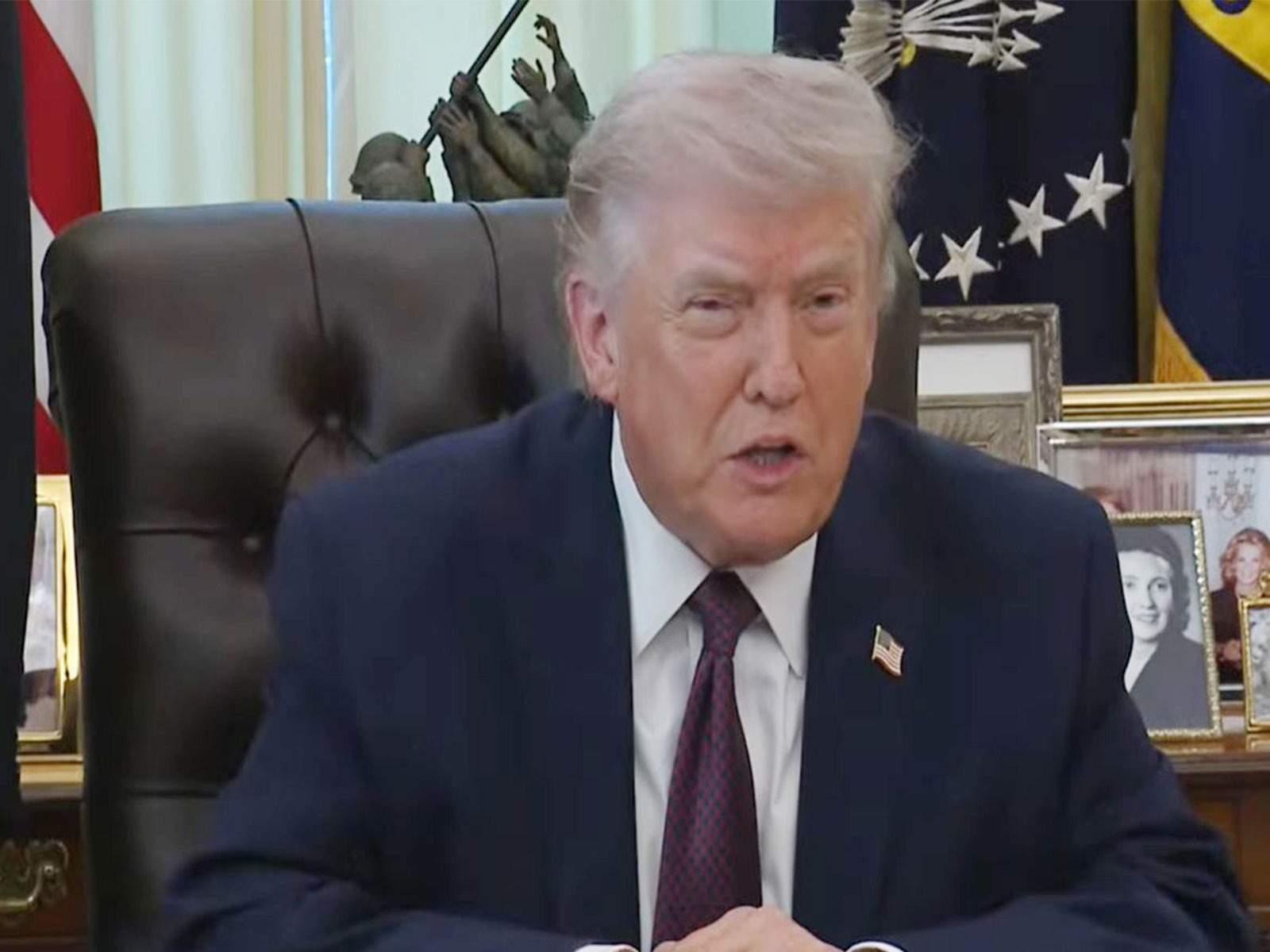
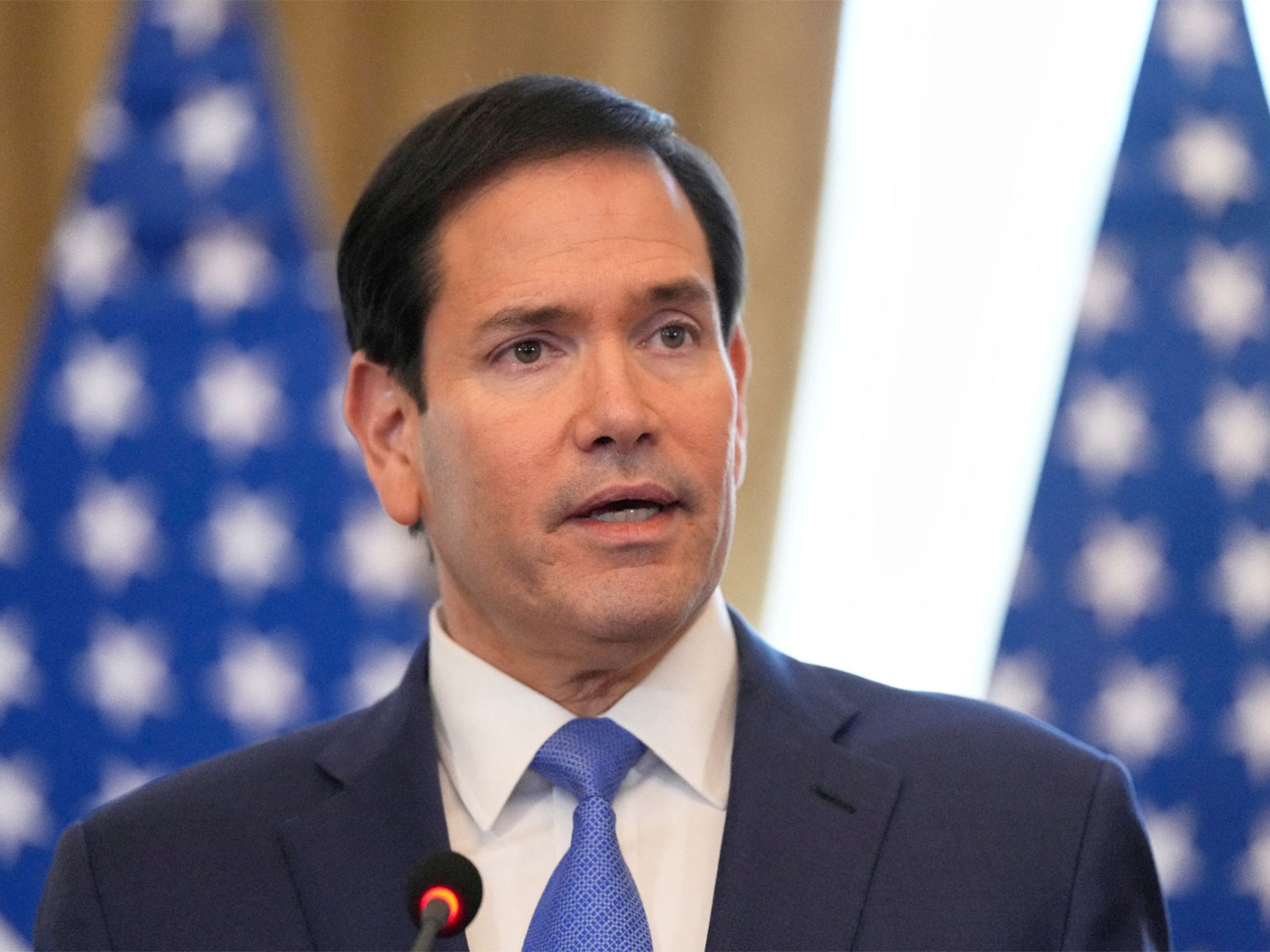
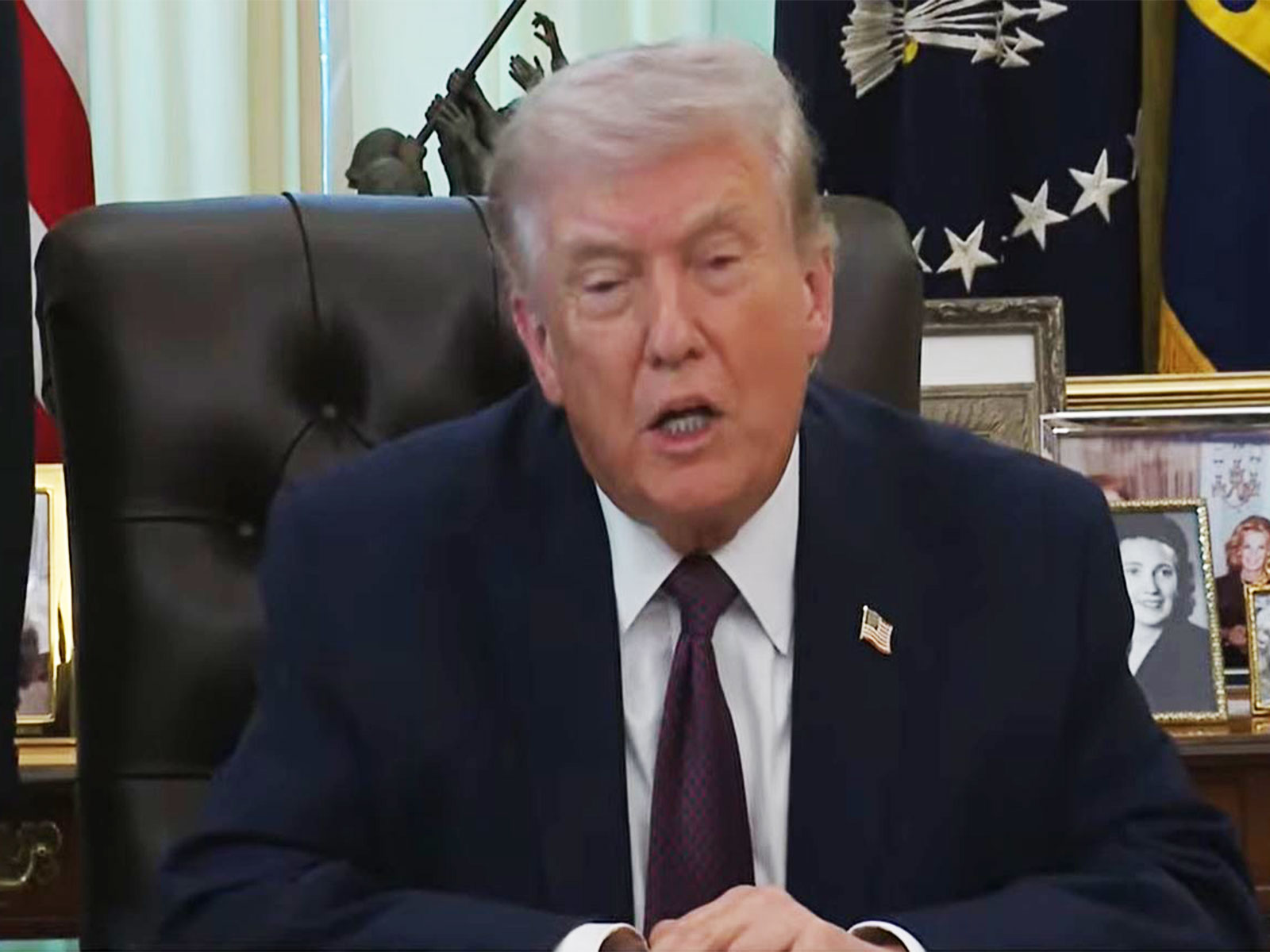
Washington, DC [US], April 1 : US President Donald Trump has suggested that the ongoing military conflict with Iran could conclude within the next two to three weeks, expressing a high degree of confidence in the mission's trajectory. Speaking from the Oval Office, the President indicated that an even swifter resolution remains a possibility if a diplomatic breakthrough is achieved.
"It's possible that we'll have a deal because they want to make a deal. They want to make a deal more than I want to make a deal. But in a fairly short period of time, we'll be finished," Trump stated on Tuesday.
The President's optimism appears to stem from a perceived shift in the political landscape within Tehran. He noted that the current interlocutors represent a departure from previous Iranian administrations, describing the new leadership as far more pragmatic.
"Now we have a group of people that are very different. They're much more reasonable," he remarked while addressing the prospects of successful negotiations.
However, this optimistic outlook from the White House stands in stark contrast to the sentiment in Tehran. Iran's Foreign Minister Abbas Araghchi has dismissed the possibility of diplomatic breakthroughs with Washington, stating that the "trust level is at zero" between the two nations. In an interview with Al Jazeera, Araghchi asserted that Tehran sees no "honesty" in US actions and has "never had a good experience from negotiations" with the American government.
The Foreign Minister pointed to a history of failed agreements and recent hostilities as the primary reasons for the current diplomatic impasse. "One time, years ago, we negotiated, and we even got a deal, and then the US withdrew without any explanation. And twice last year and now this year, we negotiated with the US, and the result was an attack by them," he told Al Jazeera.
Amid the ongoing conflict, Araghchi also addressed military tensions, stating that the Iranian armed forces are "completely ready" to confront any potential US ground operation. Describing such a move as a "mistake," he warned that Tehran is prepared for a land-based conflict, adding, "We are waiting for them."
"I don't think they'd dare to do such a thing. There will be a lot of strength waiting for them," Araghchi said. He further claimed that US forces have already sustained significant "casualties they've faced in their assets" and personnel, specifically mentioning damage to radars, aircraft, and refuelling tankers.
"We know very well how to defend ourselves. In a ground war, we can do it even better," he told Al Jazeera, insisting that while Iran did not start the war, it has "defended ourselves" with great strength.
This military defiance extends to the strategic Strait of Hormuz, where the President and the Foreign Minister hold vastly different views on future security. Trump reiterated his long-standing position that the waterway should no longer be a primary American burden, asserting that international partners must take the lead.
"If France or some other country wants to get oil or gas, you go up through the strait and -- the Hormuz Strait -- they'll go right up there and they'll be able to fend for themselves," the President said. He made it clear that the United States does not intend to maintain a permanent policing role, adding, "What happens in the strait, we're going to have nothing to do with."
Araghchi, however, clarified that the waterway is currently "closed" only to those at war with Iran. He argued that the strait lies within the "territorial waters" of Iran and Oman, making it "ordinary" for them to manage the route strategically.
"Only for the ships of those who are at war with us, this strait is closed. That is normal during war - we cannot let our enemies use our territorial waters for commerce," he explained. He noted that while some international firms have avoided the route due to "security concerns" or "high insurance prices," Tehran has provided "safe passage" for vessels from friendly nations.
According to Araghchi, "friends in the region and beyond" are being taken into consideration as Tehran looks towards the future of the maritime corridor. He reiterated that the post-war status of the strait would be determined by Iran and Oman alone.
While he maintained that the waterway could eventually return to being a "peaceful waterway for peaceful use," Araghchi reaffirmed that his country currently sees "no reason to trust the US" or expect any positive results from future dialogue.