UAE President on India visit today, will meet with PM Modi amid West Asia churn
Jan 19, 2026
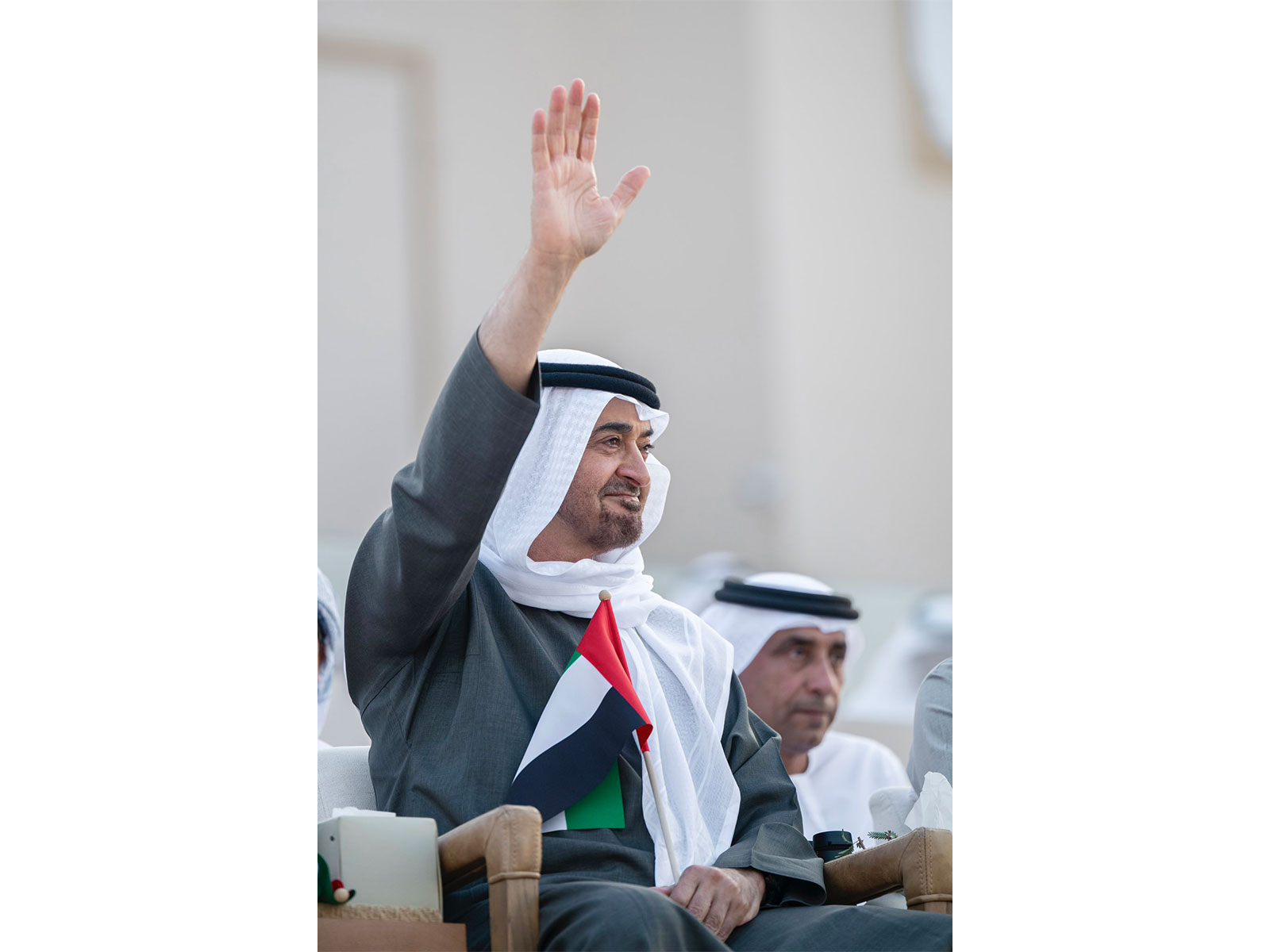
New Delhi [India], January 19 : UAE President Mohamed bin Zayed Al Nahyan is set to arrive in India on Monday on an official visit amid heightened tensions in West Asia, as US President Donald Trump seeks to onboard leaders to the National Committee for the Administration of Gaza.
According to the Ministry of External Affairs the visit is on the invitation of Prime Minister Narendra Modi and builds on the strong momentum generated by recent high-level exchanges, including the visit of Sheikh Khaled bin Mohamed bin Zayed Al Nahyan, Crown Prince of Abu Dhabi in September 2024, and the visit of Sheikh Hamdan bin Mohammed bin Rashid Al Maktoum, Deputy Prime Minister and Minister of Defence of the UAE and Crown Prince of Dubai in April 2025.
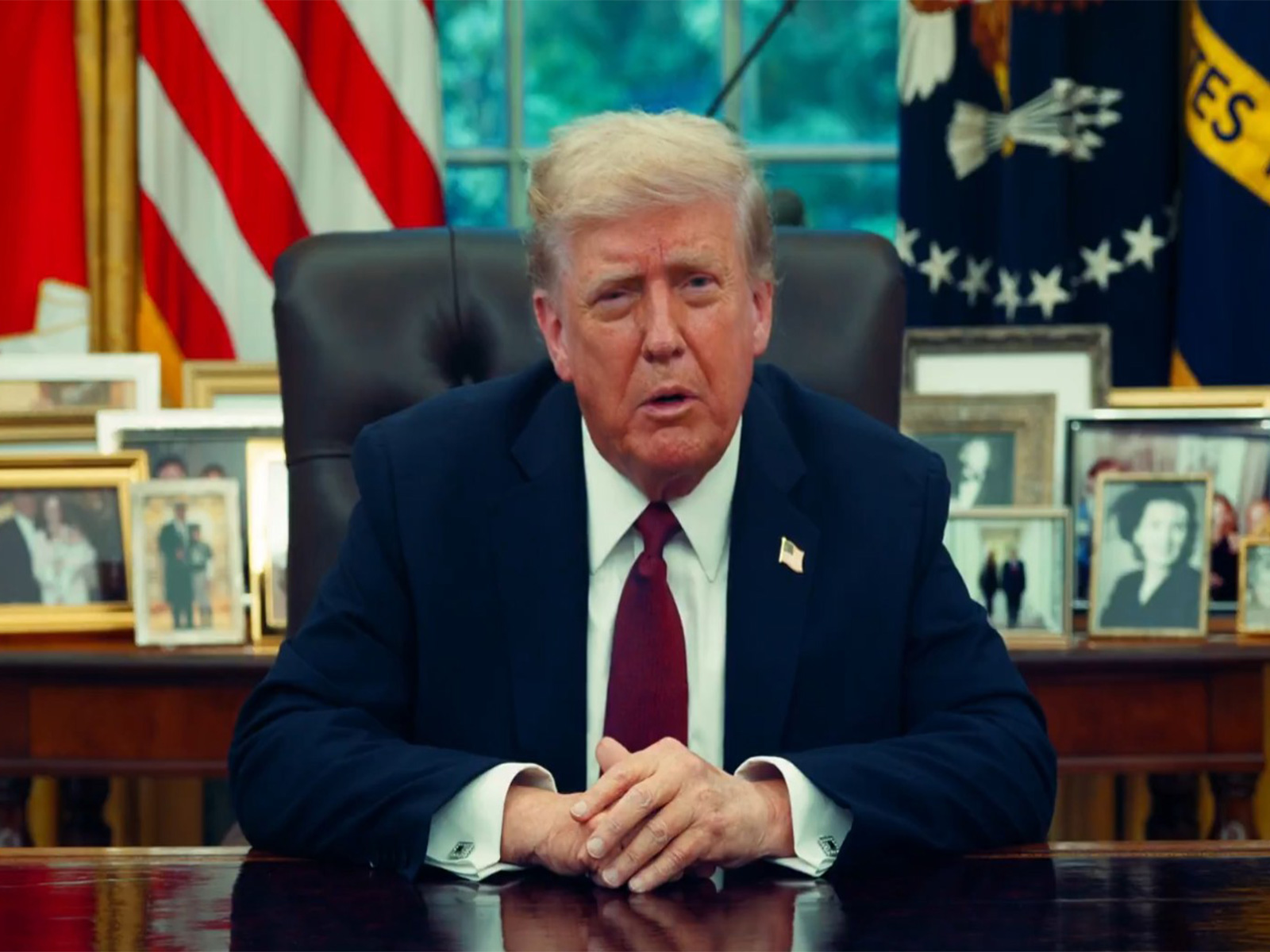
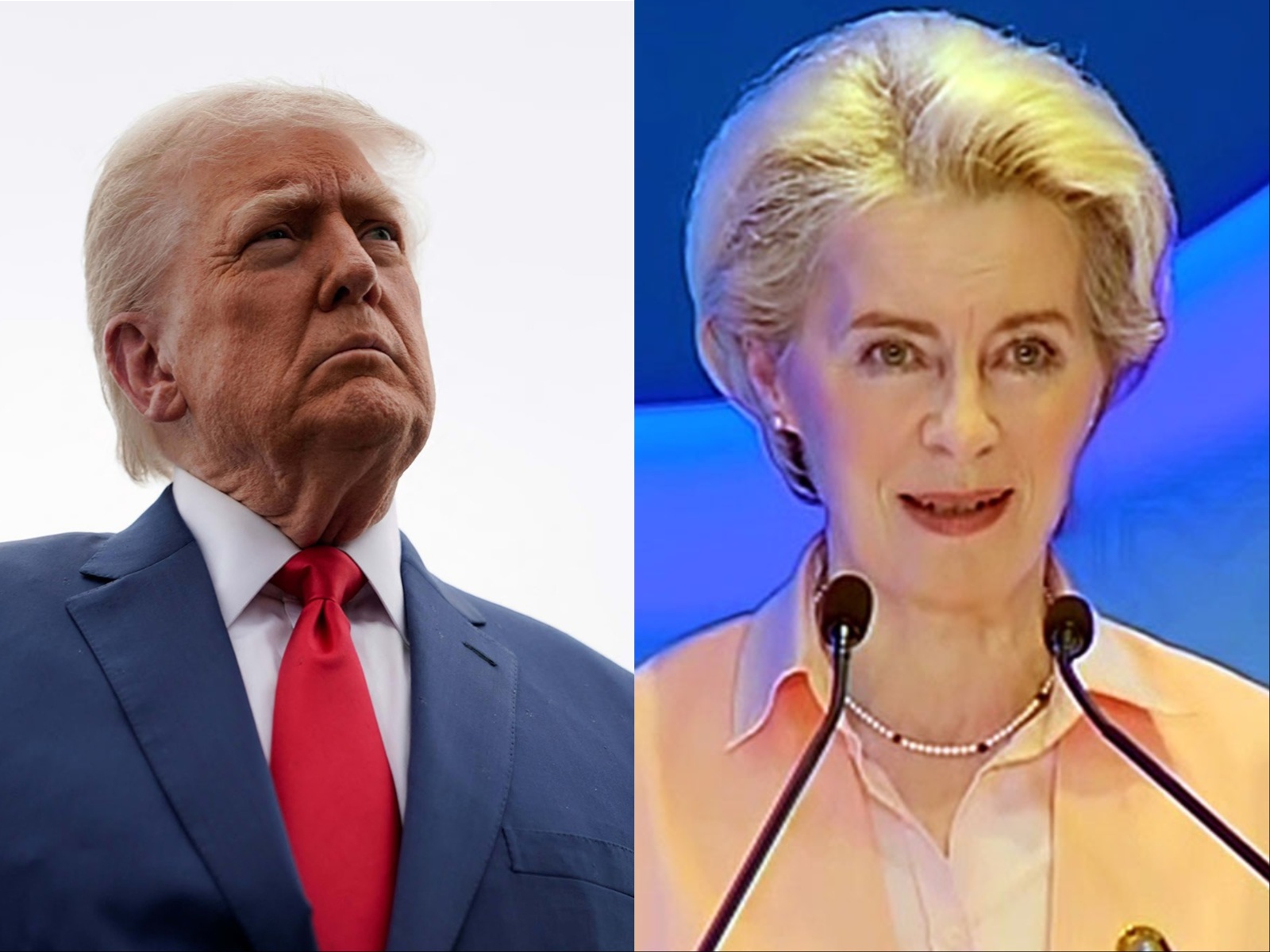
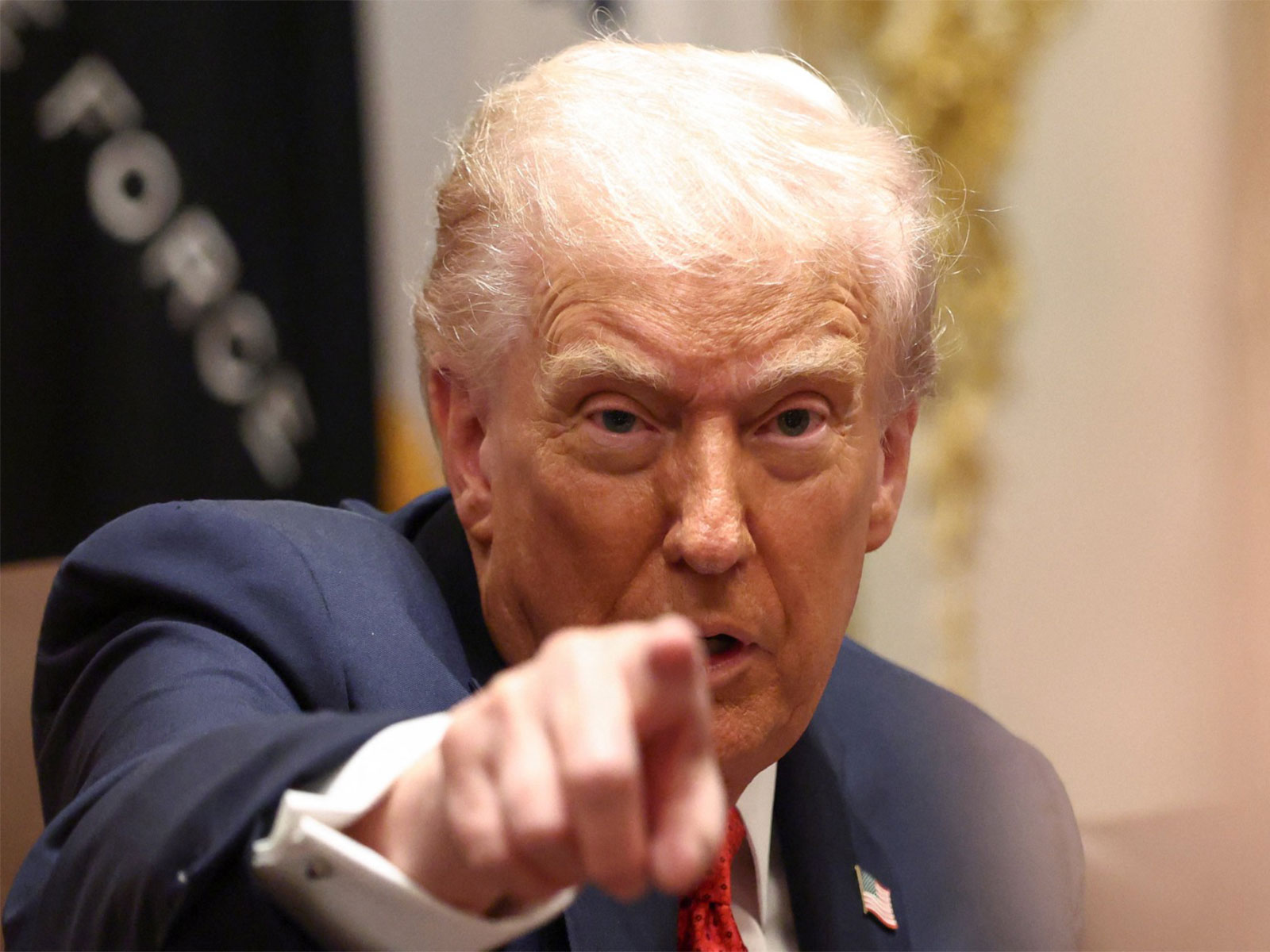
The visit coincides with developments in West Asia, where Trump is on the verge of initiating Phase 2 of the Gaza Peace Plan. As part of this phase, the United States is seeking to constitute a National Committee for the Administration of Gaza.
According to sources, the UAE President's visit to India will be brief and is expected to last around two hours.
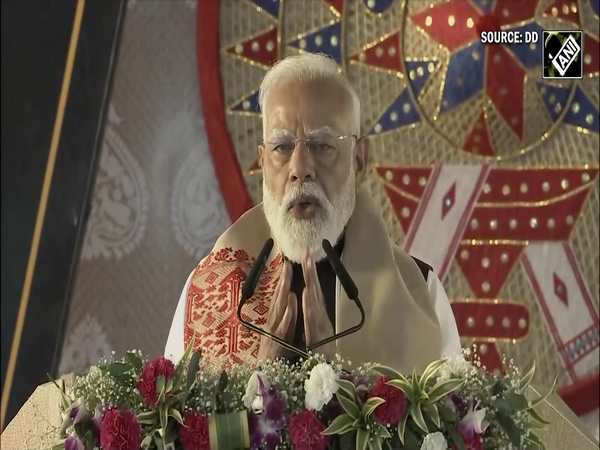
His talks with Prime Minister Modi are scheduled to be held in the national capital this evening.
This will be Sheikh Mohamed's third official visit to India since assuming office as President of the United Arab Emirates, and his fifth visit to the country in the past decade, reflecting the frequency and intensity of high-level engagement between New Delhi and Abu Dhabi.
According to a White House statement, the proposed Executive Board members will oversee portfolios critical to Gaza's stabilisation and long-term success. These include governance capacity building, regional relations, reconstruction, investment attraction, large-scale funding and capital mobilisation.
Prime Minister Modi has been invited by Trump to be part of Gaza Peace board.
According to the White House, the Board of Peace will include US Secretary of State Marco Rubio, former British Prime Minister Tony Blair, Trump's special envoy Steve Witkoff, World Bank President Ajay Banga and Trump's son-in-law Jared Kushner. The members also include Apollo Global Management CEO Marc Rowan and US Deputy National Security Adviser Robert Gabriel.
Trump will serve as Chairman of the Board, with Aryeh Lightstone and Josh Gruenbaum appointed as senior advisors to oversee day-to-day strategy and operations. Nickolay Mladenov will serve as the High Representative for Gaza, while Ali Sha'ath will lead the National Committee for the Administration of Gaza. Major General Jasper Jeffers has been appointed Commander of the International Stabilisation Force. Other members include Turkish Foreign Minister Hakan Fidan, Qatari diplomat Ali Al Thawadi and additional international representatives.
UAE Minister of State for International Cooperation Reem bint Ebrahim Al Hashimy welcomed the announcement of Phase 2 of the comprehensive peace plan and expressed "pride" for being able to be part of the Gaza Peace Board.
The visit by the UAE President to India also comes amid a series of high-level engagements between India and the UAE in recent months, involving both the civilian leadership and the top military brass.
Earlier this month, on January 4, Chief of the Army Staff General Upendra Dwivedi paid an official visit to the UAE to strengthen defence cooperation and military-to-military ties. During the visit, he was accorded a Guard of Honour by the UAE Land Forces.
The Army Chief also called on senior leadership of the UAE Armed Forces, including the Commander of the UAE Land Forces, and received briefings on the structure, roles and capabilities of the UAE Army. He visited key military establishments and interacted with officers and troops, underlining the growing defence partnership between India and the UAE.
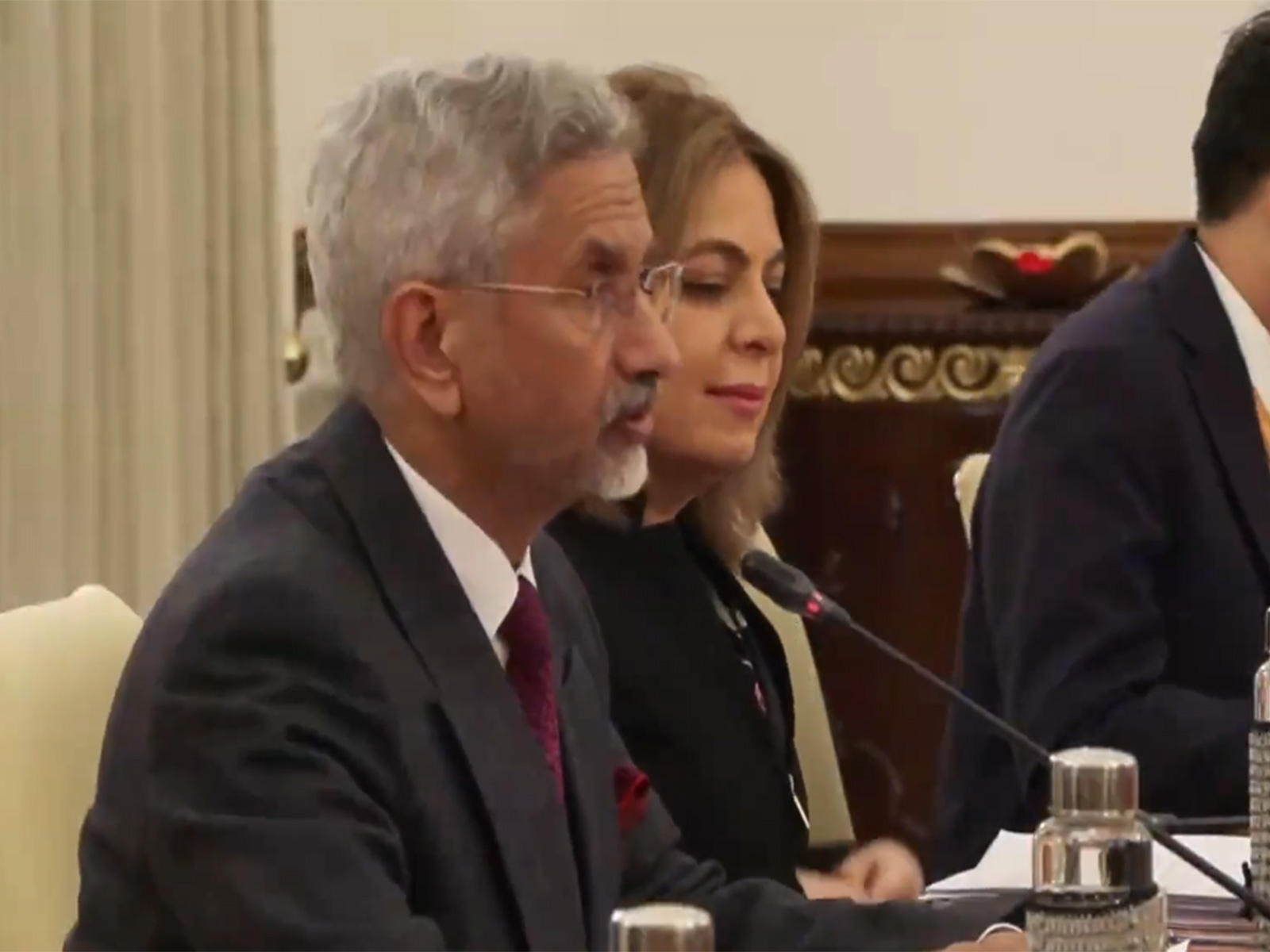
A month earlier, External Affairs Minister S Jaishankar visited the UAE to attend the 16th India-UAE Joint Commission Meeting and the fifth round of the India-UAE Strategic Dialogue, held on December 15. The meetings were co-chaired by Jaishankar and his counterpart, Sheikh Abdullah bin Zayed Al Nahyan, Deputy Prime Minister and Minister of Foreign Affairs of the UAE.
During his visit, Jaishankar undertook a comprehensive review of the entire spectrum of India-UAE bilateral relations. According to the MEA, the discussions covered trade, investment, energy, connectivity, defence, security, development partnership, technology, health, culture, education and people-to-people ties.
These high-level engagements come against the backdrop of shifting regional equations in West Asia. In recent months, Pakistan and Saudi Arabia signed a defence pact which treats any attack on one as aggression against both, creating a collective security framework.
However, details of the agreement remain unclear.
Regional tensions have also surfaced between Saudi Arabia and the UAE in Yemen. Shortly before the Indian Army Chief visited the UAE, Saudi Arabia carried out airstrikes against positions held by the reportedly UAE-backed Southern Transitional Council in southern Yemen, even as Riyadh called for dialogue to contain the violence near its border.
The Southern Transitional Council, a separatist group claimed to be backed by the UAE, seeks an independent state in southern Yemen. In early December, it launched a major offensive, seizing parts of Hadramout and forcing Saudi-backed government forces to retreat, reigniting conflict in an area that had earlier seen relative stability.
However, in an official statement, as reported by news agency WAM, the UAE categorically rejected any attempt to implicate the country in tensions among Yemeni parties. It strongly denied allegations that it exerted pressure on or issued directives to any Yemeni group to carry out military operations that could undermine Saudi Arabia's security or target its borders.
India and the UAE share warm, close, and multi-faceted relations, underpinned by strong political, cultural, and economic ties.
The two countries are among each other's top trading and investment partners, bolstered by the Comprehensive Economic Partnership Agreement (CEPA), the Local Currency Settlement (LCS) system, and the Bilateral Investment Treaty. India and the UAE also enjoy a robust energy partnership, including long-term energy supply arrangements.
According to the External Affairs Ministry, the visit of the UAE President to India is set to provide an opportunity for the two leaders to chart new frontiers for the India-UAE Comprehensive Strategic Partnership. It will also enable an exchange of views on regional and global issues of mutual interest, where India and the UAE share a high degree of convergence.
India and the United Arab Emirates established diplomatic relations in 1972. While the UAE opened its Embassy in India in 1972, the Indian Embassy in the UAE was opened in 1973, the MEA added in its statement.
India and the UAE enjoy strong cooperation at the United Nations. Both countries are also currently part of several plurilateral platforms such as BRICS, I2U2 (India-Israel-UAE-USA) and UFI (UAE-France-India) Trilateral, etc. UAE was invited as a Guest Country to the G20 Summit held under India's Presidency.