UAE real estate sector enters 2026 from position of strength but faces uneven risks amid Middle East crisis: UBS report
Mar 22, 2026
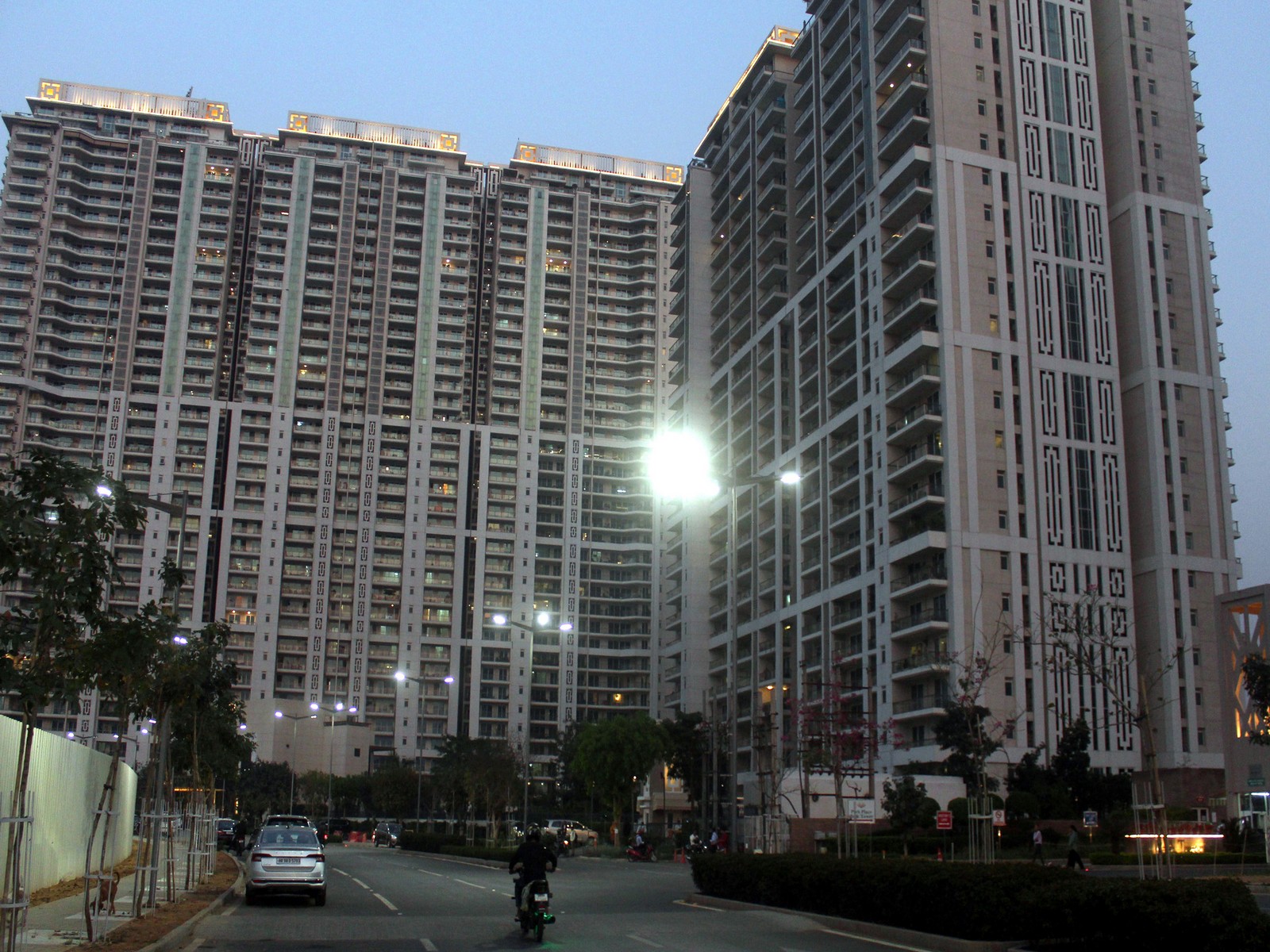
New Delhi [India], March 22 : The real estate sector in the United Arab Emirates has entered 2026 from a strong position, supported by robust demand for residential and commercial properties, according to a report by UBS.
The report said major developers in the country have reported strong sales momentum and record project pipelines driven by strong investment demand.
"The UAE listed real estate companies entered 2026 in a position of strength. Both Emaar and Aldar posted record-high backlogs at their recent FY2025 results fuelled by demand for residential investment in the region, in addition to a strong momentum in commercial real estate," the report said.
However, the report noted that concerns about the supply pipeline in Dubai could limit further gains in real estate stocks.
"The stocks delivered robust performance in recent months but currently trade at a one-year forward P/E ratio of 10x, aligning with their historical average... as worries surrounding Dubai's supply pipeline tempered additional multiple expansion," it said.
According to the report, a large number of new residential units are expected to enter the market in the coming years, which could influence supply-demand dynamics.
"In Dubai, we test a scenario where 1,10,500 residential units are delivered in 2026 versus a 10-year average of 27,000, under slower population growth," the report said.
The report added that a combination of lower selling prices and stable construction costs could affect developers' profit margins.
"A 10 per cent decline in selling prices combined with flat construction costs could compress development margins from 44 per cent to 38 per cent at Emaar and from 38 per cent to 31 per cent at Aldar, highlighting meaningful operating leverage to pricing," it said.
UBS said that compared with Abu Dhabi, Dubai may face relatively higher short-term risks due to pricing levels, international buyer exposure and supply trends.
"Three reasons to be more cautious about Dubai in the short term relative to Abu Dhabi... Dubai faces more risk of oversupply," the report said.
The report also highlighted that the UAE's demographic structure plays a major role in property demand.
"Expatriates make up 88 per cent of the population, hence UAE demographics are highly sensitive to expat flows," it noted.
According to UBS, future trends in the property market will depend on several indicators including property transactions, population flows and project cancellations.
"Key indicators to track include weekly transaction volumes and price negotiations in Dubai residential, cancellation rates and payment slippage on off-plan projects, construction cost inflation and population flows," the report said.
Despite these risks, the report suggested that the market is more likely to see moderation rather than a sharp downturn.
"Overall our view is that the market is more likely to soften than tumble, given the very high current occupancy," the report added.
The report also noted that Dubai's property prices remain competitive globally despite strong recent gains.
"Despite the strong recent price appreciation... Dubai's house prices remain discounted in a global context, for example 23 per cent cheaper than Mumbai in 2025," it said.