UAPA enforcement intensifies; over 2,900 held in 2023 with 118 convictions
Dec 02, 2025
By Rajnish Singh
New Delhi [India], December 2 : The number of arrests and convictions made under the Unlawful Activities (Prevention) Act (UAPA) has seen a steady and significant rise over the past five years, with 2023 recording the highest figures, a Home Ministry data shared with the Lok Sabha mentions.
The data, presented in response to a parliamentary query, shows a fluctuating but upward trend in UAPA enforcement.
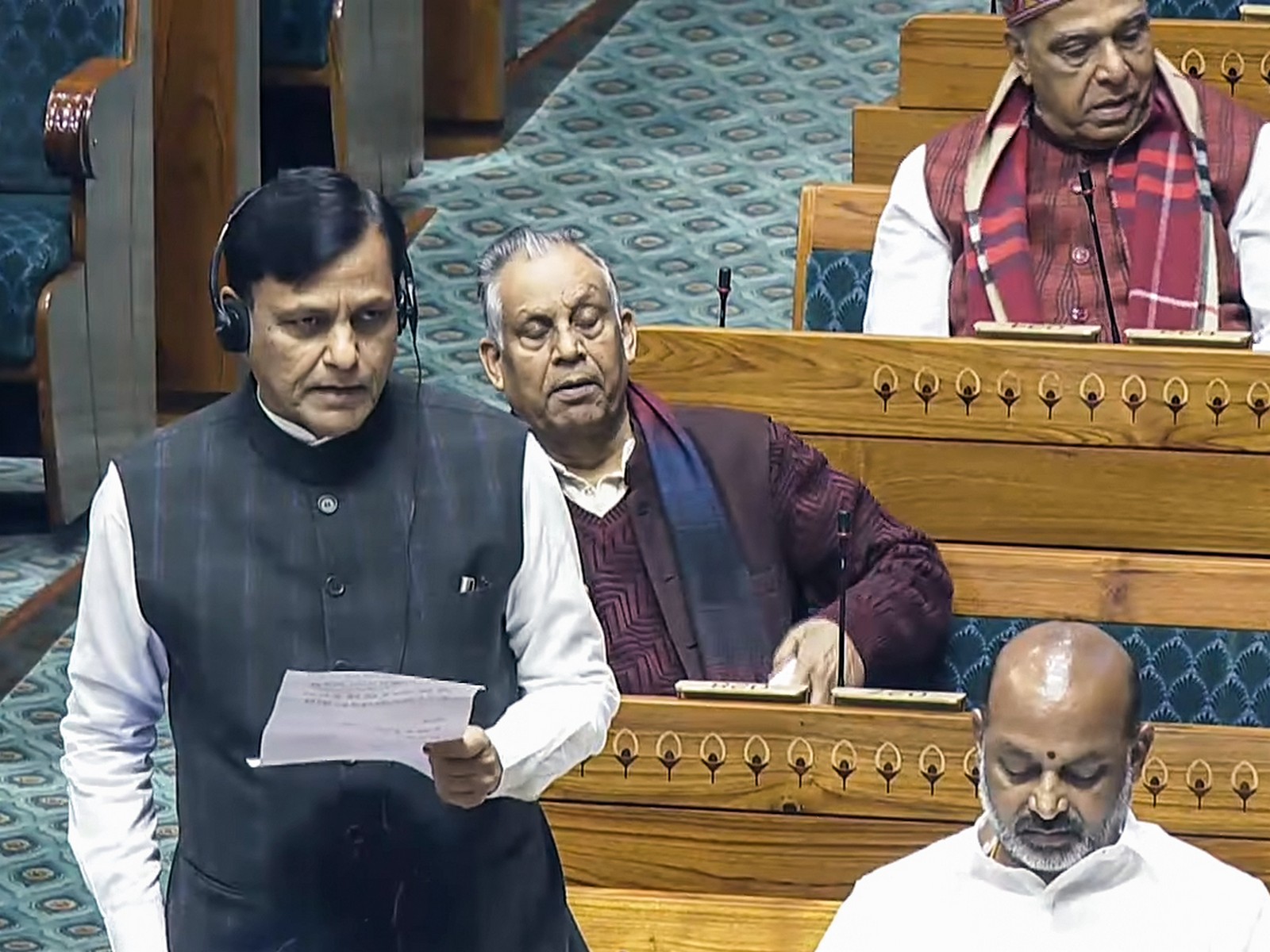
According to the official data shared by Union Minister of State for Home Nityanand Rai in a written reply to the Lower House of Parliament, a total of 2,914 individuals were arrested in 2023, compared to 1,948 arrests recorded in 2019-- marking nearly a 50 per cent increase.
As per the data, a total of 10,440 individuals were arrested and 335 convicted under the UAPA during 2019-2023 from across 28 states and eight Union Territories.
After an initial dip to 1,321 arrests in 2020, the numbers grew to 1,621 in 2021 before nearly doubling to 2,636 in 2022. The rise in arrests was accompanied by a gradual increase in convictions -- from 34 convictions in 2019 to 118 in 2023, indicating that cases continue to remain under prolonged judicial scrutiny.
At state level, Uttar Pradesh recorded the highest number of arrests in 2023 at 1,122 under UAPA; followed by Assam 154 arrests; Manipur 130; Meghalaya 71; Punjab 50; Bihar 34; and Jharkhand 29 arrests, showing significant enforcement activity.
At the Union Territory level, Jammu and Kashmir tops the list with 1,206 arrests under UAPA charges in 2023. The number of arrests in the UT was 1238 in 2022, 645 in 2021, 346 in 2020, and 227 arrests in 2019. Delhi showed the sharpest rise, from just nine arrests in 2019 to 12 in 2020, 18 in 2021, 27 in 2022, and 22 arrests in 2023.
For instance, of the total 335 convictions, a total of 118 individuals were convicted in 2023, 41 in 2022, 62 in 2021, 80 in 2020, and 34 in 2019.
Uttar Pradesh recorded 75 convictions in 2023, the highest among all states and Union Territories. Delhi secured 24 convictions, while Jammu and Kashmir recorded 10 convictions in the same year.
Officials stated that rising numbers reflect strengthened monitoring, counterterrorism intelligence, and increased reporting of extremist activity, including online radicalisation.
The UAPA is India's primary counterterrorism legislation aimed at preventing activities that threaten the sovereignty and integrity of the nation. First enacted in 1967, the law was originally designed to curb secessionist movements and safeguard national security. Over the decades, the Act has undergone significant amendments to strengthen its enforcement scope, especially in response to evolving forms of terrorism and extremism. In furtherance to India's "zero tolerance policy" towards terrorism, the Central government amended the UAPA in August 2019 to include the provision of designating an individual as a terrorist. Prior to this amendment, only organisations could be designated as a terrorist organisation.
The amendments also enhanced investigative authority, extended permissible detention periods, and allowed the National Investigation Agency (NIA) to take over cases involving national security without state consent.
Under the Act, the central government designates an organisation as a terrorist organisation if it commits or participates in acts of terrorism, prepares for terrorism, promotes terrorism, or is otherwise involved in terrorism. The Bill additionally empowers the government to designate individuals as terrorists on the same grounds.