"Umar, Sharjeel can reapply for bail after one year": Lawyer after SC grants bail to five accused in Delhi riots case
Jan 05, 2026
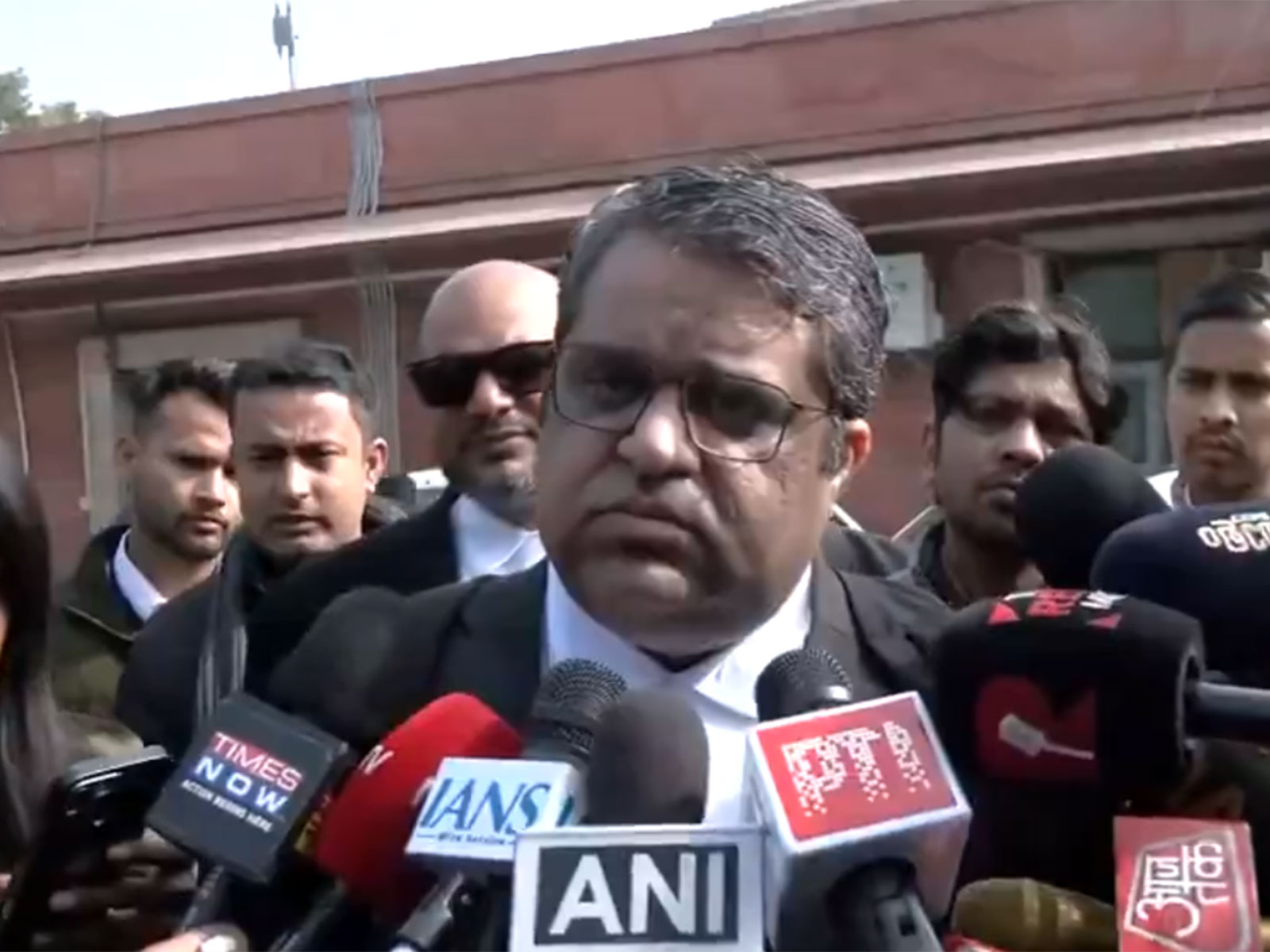
New Delhi [India], January 5 : Lawyer Sarim Javed, representing Gulfisha Fatima, one of the accused in the North East Delhi riots larger Conspiracy case, on Monday termed the Supreme Court's bail order for the five accused as a "massive relief" for them and their families.
The lawyer stressed that the top court observed that the five accused's culpability, if any, appeared to be limited in nature.
Javed also noted that the other two accused, Umar Khalid and Sharjeel Imam, who were denied bail by the Supreme Court, may reapply after one year.
Speaking to ANI, Javed said, "The five who have been granted bail, the Supreme Court has said that their culpability, if any, is at a lower level and for the two that have not been granted bail, SC has said that we are not commenting on their culpability but because of the way it is structured, in the fitness of things and judging the constitution as well as the UAPA together, they have said that one more year to come in all protected secret witnesses and even if they can't do that Umar Khalid and Sharjeel Imam can reapply for bail after one year... It's a massive relief for them and their families..."
This comes after the Supreme Court on Monday denied bail to Umar Khalid and Sharjeel Imam in a case pertaining to an alleged larger conspiracy behind the 2020 north-east Delhi riots.
However, the SC granted bail to Gulfisha Fatima, Meeran Haider, Shifa Ur Rehman, Mohd. Saleem Khan and Shadab Ahmad.
The Court noted that Umar Khalid and Sharjeel Imam stand on a "qualitatively different footing" both in terms of prosecution and evidence.
It noted that their roles were "central" to the alleged offences. As regards these two, though the period of incarceration is continued and long, it does not violate the Constitutional mandate or override the statutory embargo under the laws.
Umar Khalid, Sharjeel Imam and others were arrested in January 2020 under the stringent provisions of the Unlawful Activities (Prevention) Act (UAPA) in the Delhi riots case in February 2020.
The violence had erupted during the protests against the then-proposed Citizenship Amendment Act (CAA) and National Register of Citizens (NRC) and had left 53 people dead and over 700 injured.