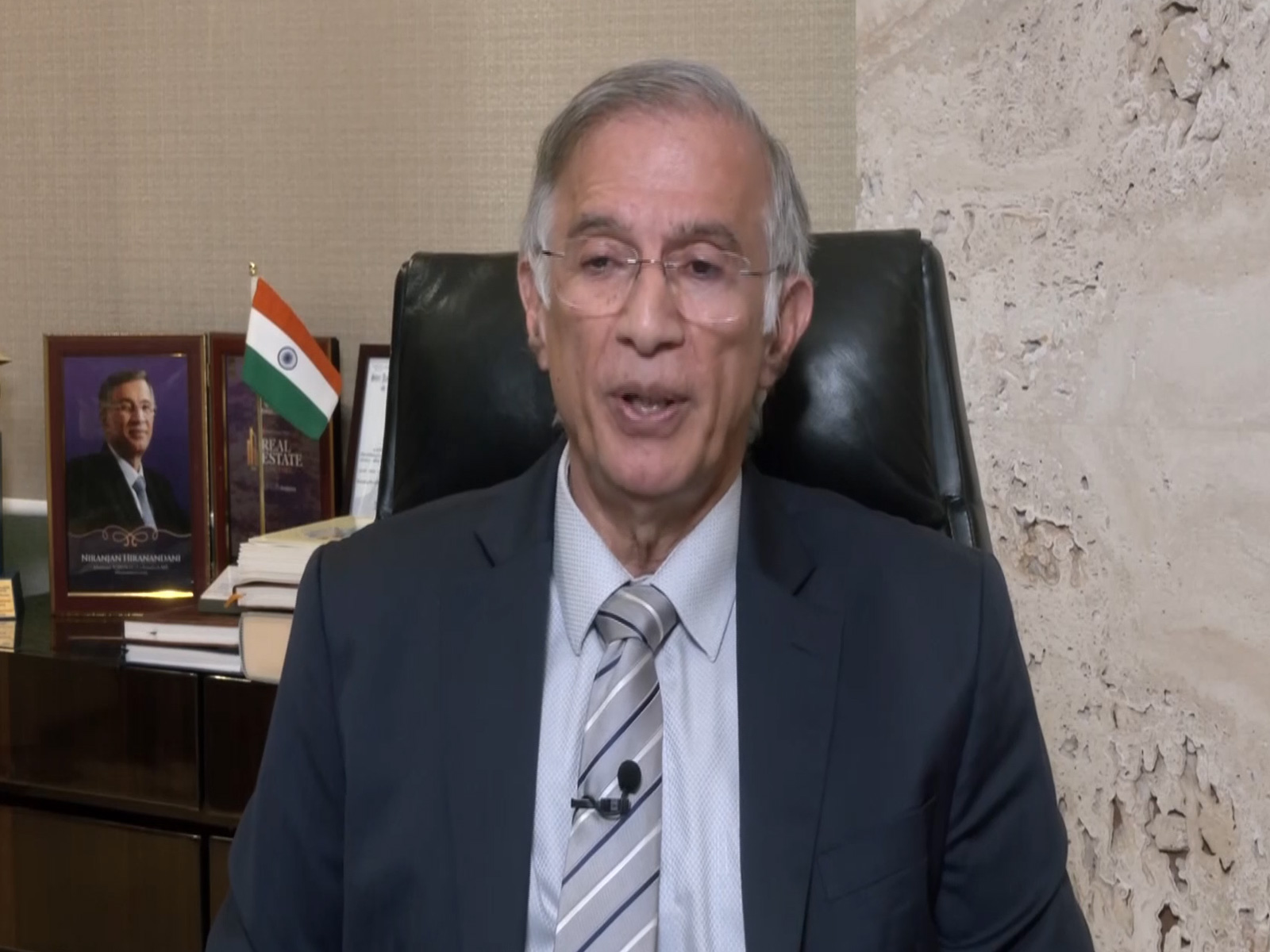
Unexpected and unbelievable, says Niranjan Hiranandani on West Asia conflict's impact on Indian Real Estate
Mar 24, 2026
New Delhi [India], March 24 : The intensifying West Asia conflict in the Strait of Hormuz is creating significant headwinds for the Indian real estate sector, as rising energy prices begin to inflate construction costs and threaten broader economic stability.
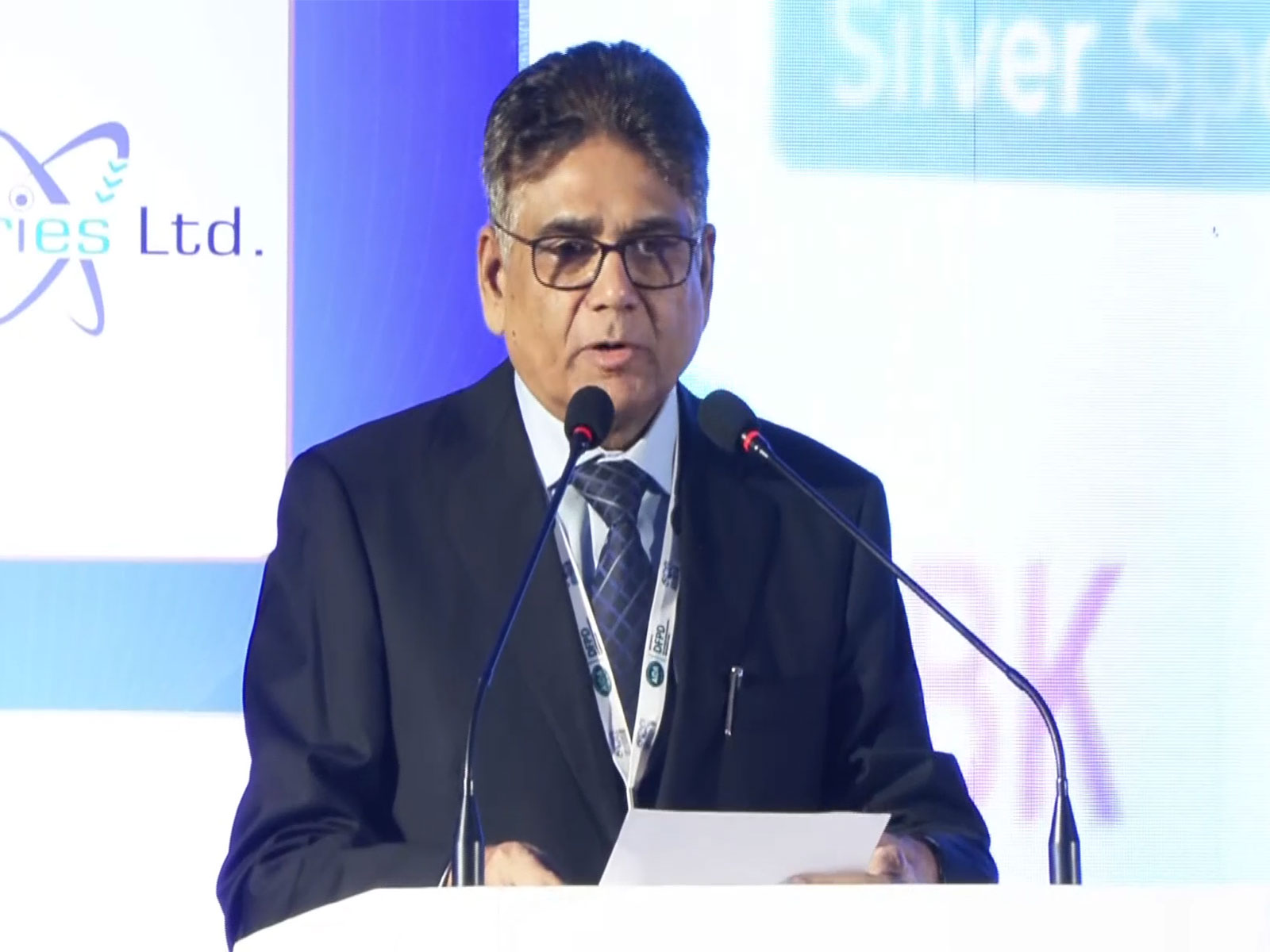
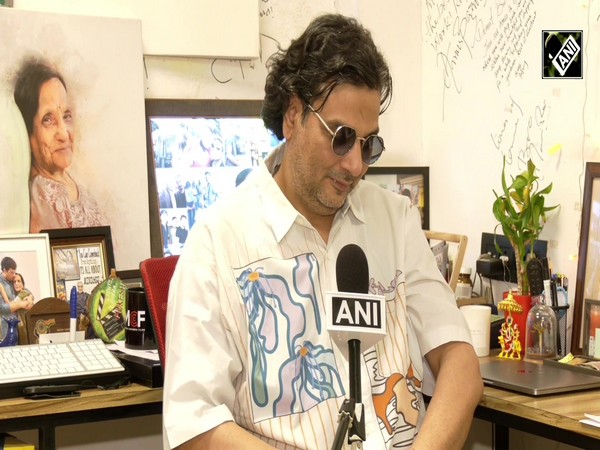
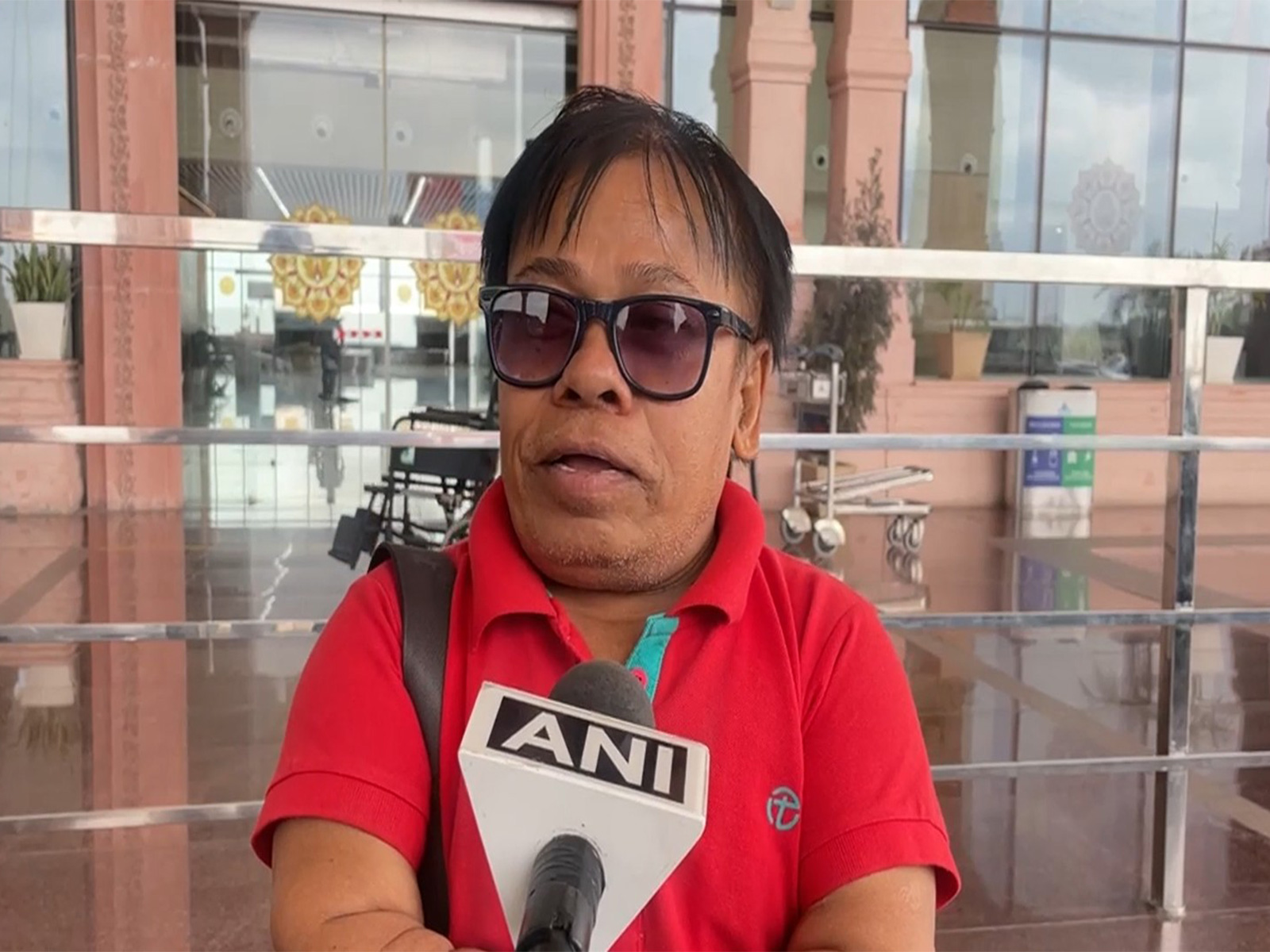
Niranjan Hiranandani, Chairman of National Real Estate Development Council (NAREDCO) and co-founder and managing director of Hiranandani Group, told ANI that the geopolitical tension is "unexpected, unbelievable, and something that has really affected the entire economy of the country."
He noted that because India imports 75 to 80 per cent of its energy, any disruption to key canal routes immediately impacts the petroleum-based products used across the industry.
The production of essential building materials is already facing disruption. Hiranandani pointed out that "the entire production of tiles through the country are definitely affected," with manufacturers suggesting cost increases as petroleum prices climb.
He warned that while the sector might "flip back to normal" if the crisis ends within a few months, a prolonged conflict could be more damaging. "I think this may cause a recession in the economy as a whole if this problem continues for a long period of time," Hiranandani stated, emphasizing the need to look at "sustainability, energy alternatives and all the other things in a much more long-term view."
On the logistics front, the industry is currently absorbing the rising costs of cement and steel, though Hiranandani cautioned that this is only sustainable in the short term.
"This little cost increase and other things can be absorbed if it is for a reasonable period of time," he said, adding that "there's not really a big long-term difficulty then." However, he warned of the implications if trade routes are further restricted.
"Every industry is directly or indirectly affected in terms of cost escalation at least, if not material supplies. In our case, both are affected," he explained.
The impact of this energy-driven inflation is expected to be most severe in the affordable housing segment. Hiranandani observed that "affordable housing is going to be more particularly affected because those are all cost-conscious issues."
He suggested that the government could intervene with tax concessions, noting that "government taxes in terms of approvals, terms of stamp duty and other issues are also very high." He recalled how the Maharashtra government provided a 50 per cent rebate on stamp duty during the pandemic to provide "marginal relief" to buyers and suggested similar support might be necessary now.
In terms of market pricing, Hiranandani predicted that property rates will inevitably rise. "100% it will increase the prices," he said, estimating an escalation of "10-12% at least in the next three, four, five months."
Despite these pressures, he noted that luxury housing remains resilient, with 24 per cent of sales coming from the NRI segment. He expressed hope for a swift end to the hostilities, stating that the war "cannot continue for too long because too many countries are definitely impacted."
Hiranandani stressed the importance of national self-reliance in a "multipolar" world. "Bharat is challenged," he noted, suggesting that the government "will have to double the speed of making Atma Nirbhar Bharat."
He also mentioned that the industry may have to adapt to "alternative shipping routes around the Cape of Good hope in Africa" as the "trust factor between countries is now lost" in international trade.